Pet Bowl Cleaning: A Daily Routine for Food and Water
Table of contents
Quick answer
Clean wet-food bowls after every use and clean dry-food and water bowls daily. Remove leftover food, wash with soap or detergent and water, rinse thoroughly, and dry before refilling. Wash your hands before and after handling pet food or bowls. Disinfect only when appropriate—such as during illness or contamination—and follow the product label, species precautions, and veterinary guidance. Use dedicated utensils and replace deeply scratched, cracked, chipped, or hard-to-clean bowls.

Cleaning versus disinfecting
Cleaning removes food, slime, dirt, and many germs through detergent, water, and physical action. Disinfecting uses an approved product or process to kill additional germs after the item is clean. A dirty surface cannot be reliably disinfected by spraying over residue. Routine cleaning is often sufficient for many pet items, while illness, urine or feces contact, raw food, high-risk household members, or a veterinary recommendation can justify extra disinfection.

Bethayres Veterinary Hospital
2621 Philmont Ave, Huntingdon Valley, PA 19006, USA
Use a practical schedule
Wash bowls used for canned, fresh, or other wet food after each meal. Wash dry-food bowls and water bowls every day, and sooner when they look dirty, smell unusual, contain hair or debris, or develop a slippery film. In multi-pet homes, label bowls when diets or medications differ and do not top off over old residue. Clean feeding mats and scoops regularly and change water when contaminated.
Hand-washing steps
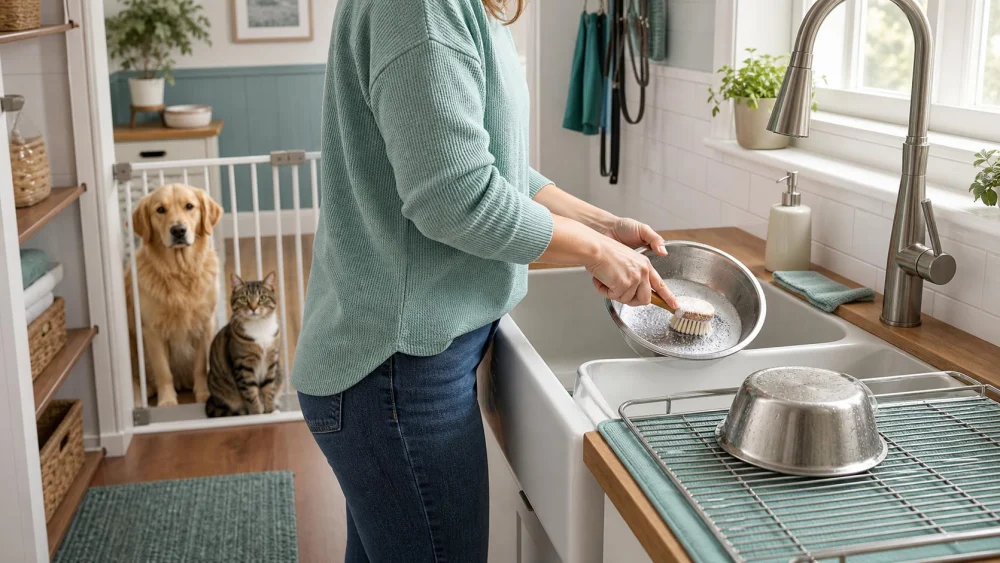
- Wash your hands and move pets away from the cleaning area.
- Discard leftover food securely so pets and wildlife cannot reach it.
- Use a dedicated brush or sponge when possible.
- Wash every surface, including the rim, underside, non-slip base, and seams.
- Rinse until food and detergent residue are gone.
- Air-dry completely or use a clean dedicated drying method before refilling.
- Wash hands again and clean the sink or surrounding surface as appropriate.
When a dishwasher can help
Check the bowl manufacturer’s instructions before dishwasher use. Heat-safe stainless steel, glass, ceramic, or durable plastic may be dishwasher compatible, while wood, electronics, glued non-slip bases, painted finishes, and some plastics may not be. Place pet items so they wash fully and cannot trap water. If a pet or household member is ill or immunocompromised, ask the veterinarian and healthcare provider about separation, cycle selection, and disinfection.
When to replace a bowl
Replace a bowl with deep scratches, cracks, chips, rust, peeling coating, persistent odor, damaged seams, unstable base, or a shape that cannot be cleaned and dried. Inspect automatic waterers and feeders beyond the visible dish: reservoirs, pumps, filters, tubes, seals, and corners follow their own maintenance instructions. A fresh filter does not replace cleaning the rest of the system. Unplug powered devices before maintenance according to the manual.
Cleaning checklist
Record pet, diet, wet or dry use, bowl material, cleaning frequency, detergent, dishwasher compatibility, dedicated tools, drying location, feeder or fountain components, filter dates, disinfection reason, product label, illness instructions, and replacement condition. Post a simple daily assignment in busy homes to prevent both missed cleaning and accidental double-feeding. Keep bowls separate when a veterinarian prescribes an individual diet or medicine.
Limits and veterinary notes
This general U.S. information does not provide a universal disinfectant formula or diagnose illness. Species, material, raw feeding, household vulnerability, and product labels change safe practice. Never mix cleaning products, leave chemical residue, use a damaged bowl, or assume a pet that looks healthy cannot carry germs. Contact a veterinarian for vomiting, diarrhea, reduced drinking, repeated mouth irritation, suspected food contamination, or cleaning needs during infectious illness.
Evidence notes
The Centers for Disease Control and Prevention distinguishes cleaning from disinfecting and recommends cleaning pet bowls after every wet-food use and daily for dry food and water. CDC also advises following cleaner and disinfectant labels and cleaning more often during illness or when people or pets are at higher risk. The U.S. Food and Drug Administration advises washing pet food bowls and dedicated measuring utensils with soap and hot water after use and washing hands around pet food.
Frequently asked questions
Can I keep topping up a water bowl?
Provide fresh water, but empty and clean the bowl daily rather than continually topping off over residue.
Do stainless steel bowls need washing?
Yes. Material choice does not eliminate food film, saliva, dirt, or germ contamination.
Should pet bowls use a separate sink?
Household risks and facilities vary. Clean and disinfect the used area appropriately and ask clinicians about high-risk situations.
Can I use the pet bowl as a food scoop?
No. Use a clean dedicated scoop or measuring utensil and clean it regularly.
How often should a fountain be cleaned?
Follow the manufacturer’s full schedule and clean sooner for slime, debris, odor, illness, or multiple pets.
Next steps
Assign a daily bowl-cleaning task, wash wet-food bowls after every meal, wash dry-food and water bowls daily, label separate diets, and inspect bowl surfaces and automatic-feeder parts. Confirm dishwasher compatibility, use disinfectants only as directed, replace damaged items, and ask the veterinarian for additional precautions during illness or specialized feeding.



 Hoboken Vets Animal Clinic4.0 (377 reviews)
 Aardvark Pet Supplies Inc.4.0 (42 reviews)
 Aqualinks4.0 (147 reviews)
 Sea Cardinal0.0 (0 reviews)
 Pasco County Reptiles & Exotics4.0 (46 reviews)
 Hound and Home5.0 (26 reviews)
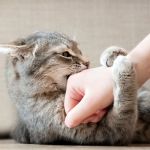 Why Does My Kitten Bite My Fingers? Play Aggression Explained
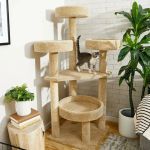 The Best Cat Tree for Kitten's Agility Training | Top Options for Your Kitten's Development
 The Best Ways to Discipline a Kitten Without Fear or Stress
 The Best Deterrent Sprays for Furniture and Carpets" (no more than 70 characters).
 Why Do Kittens Have Blue Eyes? The Color Change Explained
 Understanding Kitten Weaning: How to Transition to Solids