
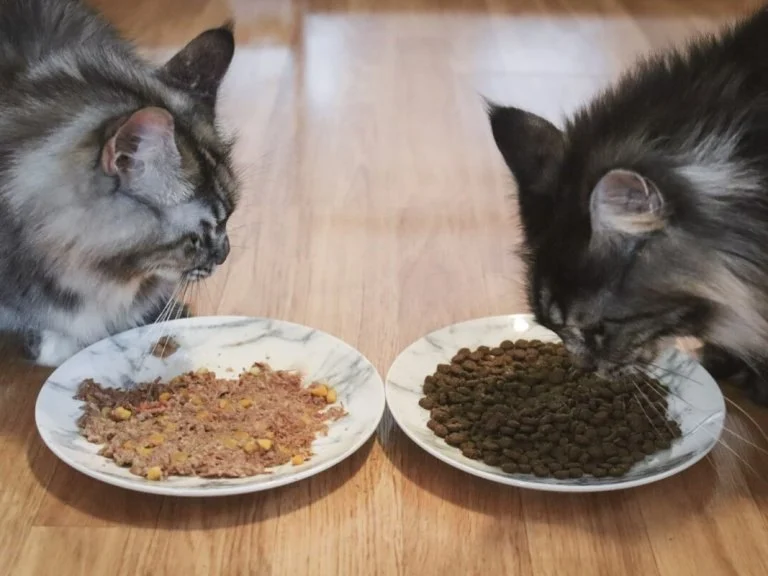
Choosing the Right Diet for Cats With Diabetes: Wet Food or Dry Food?
- understanding-diabetic-cats-diet
- wet-food-for-diabetic-cats
- dry-food-for-diabetic-cats
- wet-vs-dry-comparison
- important-nutrients-diabetic-cats
- feeding-routine-diabetic-cats
- choosing-quality-cat-food
1. Understanding Why Diet Matters for Diabetic Cats
When a cat is diagnosed with diabetes, one of the biggest changes owners face is adjusting their pet’s daily nutrition. Food plays an important role in helping manage blood sugar levels, maintain a healthy body weight, and support overall wellness. Choosing the best foods for diabetic cats requires understanding how different ingredients affect feline metabolism.
Unlike humans, cats are natural carnivores with unique nutritional needs. Their bodies are designed to process animal-based proteins efficiently, while excessive carbohydrates may create challenges for cats that struggle with glucose regulation. This is why many veterinarians and experienced cat owners carefully evaluate the carbohydrate content, protein sources, and moisture levels of diabetic cat food.

How Diabetes Affects Cats
Feline diabetes occurs when a cat’s body cannot properly regulate blood glucose. In many cases, this happens because insulin production is insufficient or because the body does not respond effectively to insulin. Factors such as obesity, genetics, age, and lifestyle can influence a cat’s risk.
A diabetic cat may show signs such as increased thirst, frequent urination, changes in appetite, or unexpected weight changes. While veterinary care is essential, diet management often becomes one of the most important parts of a long-term care plan.

A Real-Life Feeding Challenge Many Owners Experience
Many cat owners discover that managing diabetes requires patience and observation. For example, a family may notice that their older cat has become less active and is drinking much more water than usual. After a veterinary diagnosis, they learn that changing food habits can help support their cat’s treatment plan.
The challenge is not simply finding a different brand of food. Owners need to understand what their cats are eating every day and how those meals fit into their health needs. This is where comparing wet and dry food becomes important.
2. Wet Food for Diabetic Cats: Benefits and Considerations
Wet food is often considered a popular option when searching for the best foods for diabetic cats. Many wet cat foods contain higher moisture levels and can provide a nutritional profile that fits well with a low-carbohydrate feeding approach.
Higher Moisture Content Supports Hydration
Cats naturally have a low thirst drive compared with many other animals. In the wild, they receive much of their moisture from prey. Wet food can help replicate this by providing additional water through meals.
For diabetic cats, proper hydration is especially important because increased urination can lead to greater fluid loss. A moisture-rich diet may help support overall hydration when combined with appropriate veterinary guidance.
Potentially Lower Carbohydrate Levels
One reason wet food is commonly recommended for diabetic cats is that many formulas contain fewer carbohydrates compared with traditional dry foods. Lower carbohydrate intake may help reduce sudden increases in blood glucose after meals.
However, not every wet food is automatically suitable. Owners should carefully check nutritional information and choose formulas designed around high-quality protein and balanced ingredients.
Possible Challenges With Wet Food
Although wet food has many advantages, it also requires consideration. Open cans or containers need proper storage, and some cats may become selective about flavors or textures.
Owners may need to experiment carefully to find a food their diabetic cat enjoys while still meeting nutritional goals. Consistency is important because sudden diet changes can upset digestion.
3. Dry Food for Diabetic Cats: Advantages and Limitations
Dry food remains popular among cat owners because it is convenient, affordable, and easy to store. However, when choosing dry food for diabetic cats, owners need to pay close attention to ingredients.
Convenience and Storage Benefits
Dry cat food can be measured easily, stored for longer periods, and used with automatic feeders. This makes it attractive for busy households or owners who need flexible feeding schedules.
For some diabetic cats, maintaining consistent meal timing is important, and dry food can make portion control easier when managed carefully.
Understanding Carbohydrates in Dry Cat Food
Many traditional dry foods require carbohydrates during the manufacturing process. Because diabetic cats may benefit from reduced carbohydrate intake, owners should review ingredient lists carefully.
The goal is not simply choosing between wet and dry food. The focus should be selecting a formula that supports the individual cat’s health needs.
Potential Downsides of Dry Food
Dry food contains significantly less moisture than wet food. For cats that already have increased urination due to diabetes, maintaining hydration becomes an important consideration.
Some cats may also overeat dry food because it is calorie-dense and easy to consume quickly. Portion control is especially important for cats that need weight management.
4. Wet vs Dry: Comparing the Best Foods for Diabetic Cats
When comparing wet and dry options, there is no single answer that works for every diabetic cat. Each cat has different health conditions, preferences, activity levels, and treatment requirements.
Nutritional Differences
Wet food often provides:
1. Higher moisture content.
2. Greater natural meat content in many formulas.
3. Potentially fewer carbohydrates.
Dry food may provide:
1. Convenient storage.
2. Easier portion measurement.
3. Longer shelf life.
The right choice depends on the cat’s medical needs and how well the food supports stable daily routines.
Considering Your Cat’s Personal Preference
Cats can be surprisingly opinionated about food. A nutritionally excellent meal is not helpful if a cat refuses to eat it. Maintaining regular eating habits is important, especially for diabetic cats.
Owners should introduce new foods gradually and monitor appetite, energy levels, and overall behavior.
5. Important Nutrients to Look For in Diabetic Cat Food
High-Quality Animal Protein
Protein is a key component of feline nutrition. Cats rely on amino acids from animal sources to support muscles, energy, and normal body functions.
When selecting diabetic cat food, look for formulas that prioritize quality protein sources rather than relying heavily on fillers.
Balanced Fat Content
Healthy fats provide energy and help support skin, coat, and overall health. However, calorie balance matters, especially for overweight cats.
Weight management can be an important part of diabetes care because maintaining a healthy body condition may improve overall metabolic health.
Ingredient Transparency
Responsible pet owners often prefer foods with clear ingredient information. Understanding what goes into your cat’s meals helps you make better decisions.
Omnia Pet offers carefully selected pet nutrition products that help owners explore quality feeding options for their cats and support everyday wellness goals.
6. Creating a Better Feeding Routine for Diabetic Cats
Maintaining Consistent Feeding Times
Routine can make managing diabetic cats easier. Regular meal schedules help owners track appetite and notice changes quickly.
Consistency is especially important when a cat requires additional medical support because food intake and health monitoring often work together.
Watching for Changes
Owners should pay attention to:
1. Changes in weight.
2. Increased thirst.
3. Appetite changes.
4. Activity level.
5. Overall behavior.
Small changes can provide valuable information about whether a feeding plan is working effectively.
7. Choosing the Right Food for Your Diabetic Cat
Finding the best foods for diabetic cats requires a balance between nutrition, convenience, and your cat’s individual preferences. Wet food may provide hydration and lower carbohydrate advantages, while dry food can offer convenience when carefully selected.
The most important step is choosing food that supports your cat’s health while fitting into a realistic daily routine. Every cat is different, and successful nutrition plans often come from careful observation and informed choices.
Explore trusted pet nutrition options through Omnia Pet to discover quality products designed for responsible cat owners. Choosing the right diabetic cat food today can help support your companion’s comfort, energy, and long-term wellness.






 BluePearl Pet Hospital3.0 (657 reviews)
 Critters 'N Crawlies LLC5.0 (1 reviews)
 Walker Street Dog & Cat Hospital3.0 (23 reviews)
 Creative Aquariums of Tampa4.0 (163 reviews)
 Hollywood Feed4.0 (544 reviews)
 Petco4.0 (1142 reviews)
 How to Train Your Kitten to Use a Flushable Litter Box
 How to Train Your Kitten to Play Dead
 Why Does My Cat Bite Me Gently? Love Bites Explained
 The Best Diet for a Bengal Kitten's Wild Ancestry
 How to Stop a Kitten from Clawing at Window Screens
 Best Holiday Gifts for Dog and Cat Lovers | Gift Ideas for Pet Owners