
- why-kittens-eat-dead-insects - Understanding your kitten’s hunting instincts and curiosity
- risks-of-eating-dead-insects - Possible dangers of consuming dead bugs
- how-to-stop-kitten-eating-insects - Effective ways to prevent insect eating habits
- training-kitten-safe-behavior - Teaching kittens healthier behaviors
- creating-safe-home-environment - Reducing insect exposure indoors
- when-to-contact-veterinarian - Signs your kitten may need medical attention
Why Kittens Are Attracted to Dead Insects
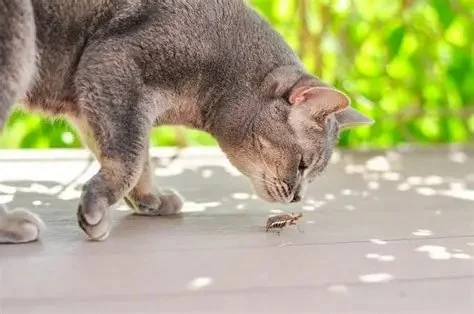
Many new cat owners are surprised when they see their playful kitten batting around a dead insect on the floor and then trying to eat it. While this behavior may seem strange or even concerning, it is actually connected to a kitten’s natural instincts. Understanding why kittens do this is the first step in learning how to keep your kitten from eating dead insects safely.
Kittens are born hunters. Even indoor cats that have never stepped outside still carry instincts inherited from their wild ancestors. A small movement, unusual smell, or unfamiliar texture can trigger a kitten’s curiosity. A dead insect may look like a tiny toy at first, but the kitten’s brain may interpret it as potential prey.
Broadview Animal Hospital of Rochester
RochesterStrafford CountyNew Hampshire
134 Ten Rod Rd, Rochester, NH 03867, USA
1. Natural Hunting Instincts
Cats are predators by nature. Their ancestors survived by tracking, catching, and eating small animals, including insects. Young kittens practice hunting behaviors through play. Chasing a bug, touching it with their paws, and putting it in their mouths are all ways they explore the world.
This does not mean your kitten is hungry or lacking nutrition. In many cases, eating insects is simply a combination of curiosity and instinct. A kitten that receives a balanced diet may still investigate bugs because the behavior is mentally stimulating.

2. Curiosity During Early Development
The kitten stage is a period of rapid learning. Between approximately two and six months of age, kittens explore almost everything around them. They chew furniture, taste new objects, and investigate household items because they are learning what is safe and what is not.
Unfortunately, kittens do not naturally know that some insects may carry pesticides, bacteria, or parasites. Their curiosity can sometimes lead them toward unsafe choices.
3. The Role of Smell and Texture
Cats have a highly developed sense of smell. A dead insect may contain scents that attract a kitten’s attention. The crunchy texture of certain insects can also make them interesting to chew.
For many kittens, the attraction is less about food and more about exploration. This is why prevention and redirection are usually more effective than punishment.
Potential Risks When a Kitten Eats Dead Insects
Although many common household insects are not immediately dangerous, allowing a kitten to regularly eat dead insects can create health concerns. The level of risk depends on the type of insect, where it was found, and whether chemicals were involved.
1. Exposure to Insecticides and Chemicals
One of the biggest concerns with dead insects is chemical contamination. A bug found inside a home may have been exposed to insect sprays, traps, powders, or cleaning products.
For example, a cockroach that has consumed pest control chemicals may still contain harmful substances when a kitten eats it. Even small amounts of certain chemicals can cause problems for smaller animals.
Pet owners who use pest control products should always follow safety instructions and keep treated areas inaccessible to cats. Choosing pet-friendly pest management options can reduce accidental exposure.
2. Digestive Problems
Some insects have hard shells or body parts that are difficult for kittens to digest. Eating too many bugs may result in vomiting, diarrhea, stomach discomfort, or reduced appetite.
A single small insect may not cause an issue, but repeated consumption can irritate a kitten’s digestive system, especially in younger cats with developing bodies.
3. Parasites and Bacteria
Certain insects can carry bacteria or parasites. While a kitten’s digestive system can handle many natural substances, it is not designed to regularly process unknown insects from indoor environments.
Flies, cockroaches, and other crawling insects may come into contact with waste, dirty surfaces, or contaminated areas before being discovered by your kitten.
4. Toxic Insects
Some insects are naturally harmful. Certain spiders, beetles, and stinging insects may cause reactions if eaten or bitten.
If you are unsure what type of insect your kitten consumed, monitoring your pet closely is important. When in doubt, professional veterinary advice is the safest option.
How to Keep Your Kitten from Eating Dead Insects
The best approach to prevent this behavior is a combination of supervision, environmental control, and positive training. The goal is not to eliminate your kitten’s curiosity but to guide it toward safer activities.
1. Remove Dead Insects Quickly
The simplest solution is immediate removal. When you notice a dead insect, pick it up before your kitten has a chance to investigate.
Regular cleaning routines can make a major difference. Check corners, windowsills, basements, and areas behind furniture where insects often appear.
2. Keep Windows and Doors Protected
Many indoor insect problems begin with easy entry points. Installing secure screens and sealing small gaps around doors and windows can reduce the number of insects entering your home.
A cleaner indoor environment means fewer opportunities for your kitten to discover bugs.
3. Provide Better Alternatives for Hunting Behavior
Kittens need stimulation. If they do not have appropriate outlets for their hunting instincts, they may create their own entertainment.
Interactive toys, feather wands, puzzle feeders, and treat-dispensing toys can provide safe ways for kittens to chase, capture, and problem-solve.
4. Avoid Encouraging Bug Chasing
Some owners laugh when kittens chase insects because the behavior looks entertaining. However, encouraging the habit can make it harder to stop later.
Instead, redirect your kitten’s attention toward toys. Rewarding safe play helps your kitten understand what behaviors receive positive attention.
Training Your Kitten to Avoid Unsafe Objects
Cats are independent animals, but kittens can still learn boundaries through consistent training. The key is patience. Cats respond better to positive reinforcement than punishment.
1. Use Distraction Techniques
If your kitten approaches a dead insect, calmly interrupt the behavior. Use a toy, gentle sound, or treat to redirect attention.
Avoid yelling or frightening your kitten. Negative reactions can create stress without teaching the desired behavior.
2. Reward Good Choices
When your kitten ignores an insect and chooses a toy instead, reward that decision. Over time, your kitten begins associating toys and approved activities with positive experiences.
3. Create Consistent Daily Play Sessions
Many unwanted behaviors happen because kittens have excess energy. Regular play sessions help satisfy their natural instincts.
A kitten that spends time chasing toys, climbing, and exploring safely is less likely to search for random objects on the floor.
Creating a Safer Home Environment for Your Kitten
Preventing insect-related problems is easier when your home environment supports your kitten’s health and curiosity. A safe home does not need to be boring. It should simply reduce unnecessary risks.
1. Maintain Regular Cleaning Habits
Vacuuming regularly, cleaning food areas, and removing crumbs can reduce insect activity. Pay special attention to areas where pet food is stored.
Cats are naturally attracted to areas with interesting smells, so keeping floors and feeding spaces clean can discourage insect exploration.
2. Store Pest Control Products Carefully
All pest control products should be stored away from pets. This includes sprays, traps, powders, and outdoor treatments.
When choosing pest solutions, pet owners should carefully review product instructions and consider safer alternatives when possible.
3. Consider Professional Pet-Friendly Solutions
If insects frequently appear in your home, controlling the source is often more effective than simply removing individual bugs. Pet owners looking for suitable pet care products and solutions can explore options through Omnia Pet to support a healthier environment for their cats.
When a Kitten Needs Veterinary Attention
Most kittens that accidentally eat a small insect experience no serious problems. However, certain symptoms should not be ignored.
1. Watch for Digestive Symptoms
Contact a veterinarian if your kitten develops repeated vomiting, diarrhea, refusal to eat, or unusual tiredness after eating an unknown insect.
2. Look for Signs of Toxic Exposure
Possible warning signs include excessive drooling, shaking, difficulty walking, breathing problems, or sudden behavioral changes.
3. Be Careful With Unknown Insects
If your kitten eats an insect that may be poisonous, such as a spider or a chemically treated pest, seeking professional guidance quickly is recommended.
Building Healthy Habits for a Curious Kitten
Learning how to keep your kitten from eating dead insects is really about understanding natural feline behavior and creating better choices. Curiosity is a healthy part of kitten development, but responsible pet care helps guide that curiosity in safe directions.
A kitten that receives proper nutrition, regular play, mental stimulation, and a clean environment is more likely to develop positive habits. Instead of trying to remove every instinct your kitten has, the goal is to provide safer ways for those instincts to appear.
With patience and consistent care, most kittens learn to focus their hunting energy on toys rather than household insects. Supporting your kitten’s natural personality while protecting its health creates a happier relationship between you and your pet.



 Elliott's Pet Emporium4.0 (2231 reviews)
 Puppy Palace3.0 (224 reviews)
 Richmond Valley Veterinary Practice4.0 (875 reviews)
 Reservoir Veterinary Hospital4.0 (46 reviews)
 A’s Aquatics & Pet Store4.0 (190 reviews)
 Broadway Animal Clinic - Now Closed2.0 (27 reviews)
 How to Keep Your Kitten's Eyes Clean and Free of Discharge
 The Truth About Declawing Cats: Alternatives and Ethical Considerations
 How to Stop Your Kitten from Digging in Potted Plants
 The Best Ways to Discipline a Kitten Without Fear or Stress
 Understanding FIP in Cats: Latest Treatment Options and Hope
 The Best Toys for Teething Kittens to Chew On