
- why-kittens-eat-litter-and-what-it-really-means
- health-risks-associated-with-litter-eating-in-young-cats
- choosing-safe-litter-and-litter-box-setup-for-kittens
- behavior-training-strategies-to-stop-litter-eating
- real-life-kitten-case-study-and-common-mistakes
- long-term-prevention-and-health-monitoring-for-kittens
Understanding Why a Kitten Eats Litter in the First Place
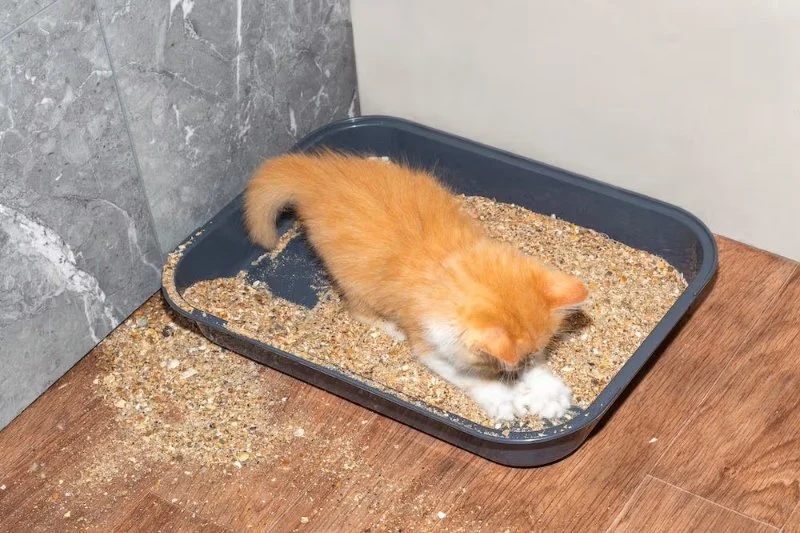
When new cat owners first notice their kitten eating litter, the reaction is usually confusion or concern. It seems strange, even alarming, but this behavior is more common than many people think. To effectively address how to stop your kitten from eating litter, it’s important to first understand what’s driving the behavior rather than just reacting to it.

Vetco Vaccination Clinic
Carle PlaceNassau CountyNew York
189 Old Country Rd, Carle Place, NY 11514, USA
Natural Curiosity vs. Behavioral Concern
Kittens explore the world using their mouths. Just like human babies, they taste, chew, and investigate unfamiliar textures. Litter—especially scented or pellet-based types—can appear intriguing to a young kitten. In many cases, this is simple curiosity rather than a deeper medical issue.

Possible Nutritional Deficiencies
In some situations, litter eating (also known as pica behavior) can be linked to missing nutrients such as iron or fiber. A kitten that is not receiving a balanced diet may attempt to compensate by ingesting non-food materials. This is where careful observation becomes essential.
Health Risks You Should Never Ignore
While occasional curiosity may not be dangerous, repeated ingestion of litter can lead to serious health complications. This is why understanding the risks is a critical step in learning how to stop your kitten from eating litter effectively.
Digestive Blockages and Internal Irritation
Certain types of litter—especially clumping clay varieties—can expand when wet. If ingested, this can cause intestinal blockages, discomfort, or even emergency medical situations. Even non-clumping litter can irritate a kitten’s digestive system.
Toxic Exposure from Scented Litters
Some litters contain chemical fragrances or additives that are not intended for ingestion. A kitten repeatedly exposed to these substances may experience mild to severe gastrointestinal upset.
Veterinary Insight from Real Cases
Veterinarians often report cases where kittens brought in for vomiting or lethargy were later found to have consumed litter regularly. In one documented case shared in a U.S. pet care forum, a young kitten required dietary adjustment and environmental changes after persistent litter ingestion led to intestinal discomfort.
Choosing the Right Litter and Setting Up a Safe Environment
One of the most effective ways to address litter-eating behavior is by modifying the environment. Many pet behavior specialists agree that prevention starts with the litter box itself.
Switching to Safer Litter Types
For kittens prone to eating litter, non-clumping, unscented paper-based or corn-based litter is often recommended. These options are easier to digest in small accidental amounts and reduce health risks significantly.
Litter Box Placement Matters More Than You Think
A quiet, low-stress location helps reduce anxiety-driven behaviors. If a kitten feels safe and calm while using the litter box, it is less likely to engage in unusual exploration like eating litter.
Cleanliness as a Behavioral Trigger
Dirty litter boxes can encourage kittens to investigate or “test” their surroundings. Regular cleaning not only supports hygiene but also reduces unnecessary curiosity behaviors.
Training Strategies That Actually Work in Real Homes
Stopping a kitten from eating litter requires consistency, patience, and redirection rather than punishment. Kittens respond best to gentle behavioral guidance.
Immediate Redirection Technique
If you catch your kitten eating litter, calmly redirect them with a toy or gentle distraction. Avoid loud reactions, as this can create stress and worsen the behavior.
Positive Reinforcement for Proper Litter Use
Reward your kitten when they use the litter box correctly without engaging in unwanted behavior. Treats or soft verbal praise help reinforce good habits over time.
Interactive Play to Reduce Boredom
Bored kittens are more likely to explore inappropriate objects. Increasing daily play sessions reduces idle curiosity and supports healthier behavioral development.
Real-Life Case: When a Kitten’s Habit Became a Learning Experience
A first-time cat owner shared her experience online about adopting a 10-week-old kitten who repeatedly ate litter within the first few days at home. Initially, she assumed it was normal curiosity, but the behavior persisted.
After consulting a veterinarian, she discovered the kitten’s diet lacked sufficient fiber and enrichment. By switching to a higher-quality food, changing to paper-based litter, and introducing structured playtime, the behavior gradually disappeared within two weeks.
This case highlights an important truth: solving litter-eating behavior often requires a combination of diet, environment, and behavioral training rather than a single solution.
Long-Term Prevention and Health Monitoring
Monitoring Eating and Bathroom Behavior
Keep an eye on changes in appetite, stool consistency, and litter box habits. Early detection of abnormal behavior makes intervention easier and more effective.
Regular Veterinary Checkups
Routine checkups help rule out underlying nutritional deficiencies or medical conditions that may contribute to pica behavior in kittens.
Creating a Stable Routine
Kittens thrive on predictability. Feeding, playtime, and litter box routines should remain consistent to reduce stress-related behaviors.
Building a Safe and Healthy Environment for Your Kitten
Learning how to stop your kitten from eating litter is not just about stopping a habit—it’s about understanding your kitten’s needs. From diet to environment and emotional stimulation, every factor plays a role in shaping behavior.
For pet owners seeking additional guidance, product recommendations, and expert care insights, Omnia Pet offers helpful resources designed to support kitten health, behavior training, and safe daily care practices.



 Kawika's Konstrictors, LLC. (Ball Python Breeding)4.0 (12 reviews)
 Guilford Animal Medical Center4.0 (117 reviews)
 Petco4.0 (596 reviews)
 Vetco Vaccination Clinic4.0 (7 reviews)
 Vetco Vaccination Clinic5.0 (5 reviews)
 VEG ER for Pets4.0 (837 reviews)
 Why Is My Dog Panting So Much? Normal Behavior vs. Emergency
 How to Keep Your Indoor Cat from Getting Bored
 The Truth About Heartworm Disease: Prevention is Cheaper Than Cure
 The Best Ways to Play with Your Cat Using Wand Toys
 How to Recognize Normal vs Aggressive Kitten Play Fighting
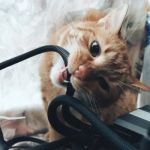 How to Stop Your Kitten from Chewing on Wires Safely and Effectively