
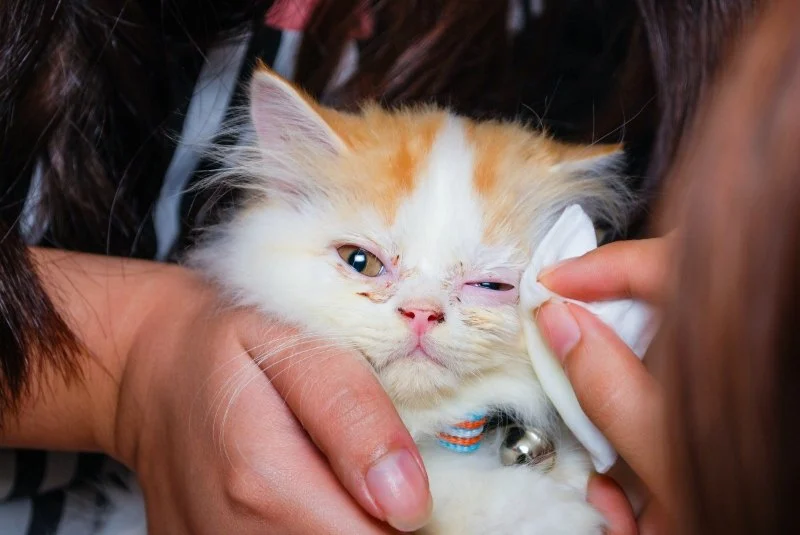
Understanding Why a Kitten’s Eye Becomes Swollen
Seeing a kitten with a swollen eye can be unsettling, especially for new pet owners who are unsure whether it is a minor irritation or something more serious. In most cases, the swelling is a symptom rather than a standalone issue. It usually signals infection, trauma, or environmental irritation that needs attention.
1. Common medical causes behind eye swelling
One of the most frequent causes of a kitten swollen eye is a respiratory infection, especially feline herpesvirus or calicivirus. These infections often begin with sneezing or watery discharge and quickly affect the eyes. Bacterial conjunctivitis is another major reason, leading to redness, swelling, and thick discharge.
In some cases, kittens develop eye injuries from rough play or accidental scratches. Even a minor scratch can lead to inflammation if bacteria enter the area. Allergic reactions—such as dust, smoke, or strong cleaning chemicals—can also trigger swelling.
2. Why kittens are more vulnerable than adult cats
Kittens have underdeveloped immune systems, which makes them more susceptible to infections. Their tendency to explore everything physically increases the chances of exposure to irritants and pathogens. Because of this, early intervention is crucial when dealing with kitten eye issues.
Safe Steps for Helping a Kitten at Home
When you first notice swelling, the goal is not to treat aggressively but to stabilize the situation and keep the kitten comfortable until proper care is provided. The approach should be gentle and consistent.
1. Cleaning the affected eye carefully
Use a soft, clean cloth or sterile gauze dampened with warm water. Gently wipe away discharge from the corner of the eye outward. Always use a fresh section of cloth for each wipe to avoid spreading infection.
Avoid using human eye drops or medications unless specifically prescribed for feline eye care. Some substances safe for humans can be harmful to cats.
2. Creating a calm recovery environment
A stressed kitten may rub or scratch its eye, worsening the condition. Keeping the environment quiet and warm helps reduce irritation. Limiting exposure to dust or strong odors is also important during recovery.
3. Monitoring changes closely
Track whether swelling is improving or worsening. Pay attention to discharge color, behavior changes, or appetite loss. These details help determine whether the issue is resolving or escalating.
When a Swollen Eye Becomes a Serious Concern
Not all eye swelling can be managed at home. Some conditions require prompt veterinary attention to prevent long-term damage or vision loss.
1. Warning signs you should not ignore
If the kitten’s eye becomes cloudy, produces thick yellow or green discharge, or if the eyelid is completely shut due to swelling, immediate medical evaluation is needed. Persistent pawing at the eye or signs of pain are also serious indicators.
2. The risk of delaying treatment
Eye infections can progress quickly in kittens. What begins as mild swelling can escalate into corneal ulcers or deeper infections affecting vision. Early care significantly improves outcomes.
3. A real-world example from a foster rescue case
A foster caregiver once shared a case involving a stray kitten found under a porch with one swollen eye shut completely. Initially assumed to be minor irritation, the condition worsened within 48 hours. Veterinary diagnosis revealed a severe respiratory infection affecting both eyes. With antibiotic treatment and supportive care, the kitten fully recovered—but the case highlighted how quickly eye conditions can escalate.
Professional Treatment Options Explained
Veterinarians typically tailor treatment based on the underlying cause. Antibiotic ointments are commonly used for bacterial infections, while antiviral medications may be prescribed for viral causes. Inflammation control is often achieved through specialized eye drops.
1. What treatment usually involves
Treatment may include topical medication applied directly to the eye several times a day. In more severe cases, oral antibiotics or supportive fluids may be needed. Pain relief is also considered when discomfort is significant.
2. Importance of completing the full treatment cycle
Even if symptoms improve early, stopping treatment too soon can lead to recurrence. Full compliance ensures the infection is completely cleared and reduces the risk of complications.
How to Support Recovery After Treatment Begins
Once treatment is underway, consistent care at home plays a major role in recovery. Kittens respond well to stable routines and gentle handling.
1. Keeping the eye clean during healing
Continue gentle cleaning as recommended. Avoid over-handling the eye area, as this can slow healing. Always wash hands before and after contact.
2. Supporting immune strength through nutrition
A balanced diet helps strengthen immune response. High-quality kitten food with adequate protein and hydration supports faster recovery and overall eye health.
3. Reducing environmental triggers
Minimize exposure to dust, smoke, or strong fragrances. Clean bedding regularly and maintain a calm environment to prevent irritation recurrence.
Preventing Future Eye Problems in Kittens
Preventive care is often overlooked, but it plays a major role in long-term feline wellness. Many recurring eye issues can be avoided with simple daily habits.
1. Routine health monitoring
Regularly check your kitten’s eyes for early signs of redness or discharge. Early detection leads to faster and easier treatment.
2. Vaccination and vet checkups
Vaccinations help protect against common viral infections that cause eye inflammation. Routine veterinary visits ensure overall health stability.
3. Clean living environment practices
Keeping litter areas clean and reducing airborne irritants helps maintain healthy eyes. This is especially important in multi-pet households.
Where Pet Owners Can Find Reliable Guidance
Many pet owners feel overwhelmed when dealing with eye problems in young cats. Accessing trustworthy information and support can make a significant difference in outcomes. Resources like Omnia Pet provide helpful guidance, product recommendations, and care insights tailored to feline health needs.
Understanding how to respond to a kitten swollen eye situation is not just about treatment—it is about recognizing early signs, responding calmly, and ensuring the kitten receives the right care at the right time.


 Merrick Veterinary Group4.0 (92 reviews)
 VCA Eagle Rock Animal Hospital4.0 (136 reviews)
 VIP Petcare Vaccination Clinic0.0 (0 reviews)
 Animal Krackers Pet Center4.0 (514 reviews)
 VIP Petcare Vaccination Clinic5.0 (1 reviews)
 Banfield Pet Hospital4.0 (372 reviews)
 How to Socialize Your Kitten with Children — Tips for a Safe and Happy Home
 How to Choose the Best Diet for a Ragdoll Kitten's Gentle Nature
 How to Find a Lost Cat: Effective Strategies That Work
 How to Keep Your Cat's Ears Clean and Mite-Free
 How to Teach Your Kitten to Fetch a Small Toy Step by Step
 Understanding Kitten Deworming Schedules: A Complete Guide