
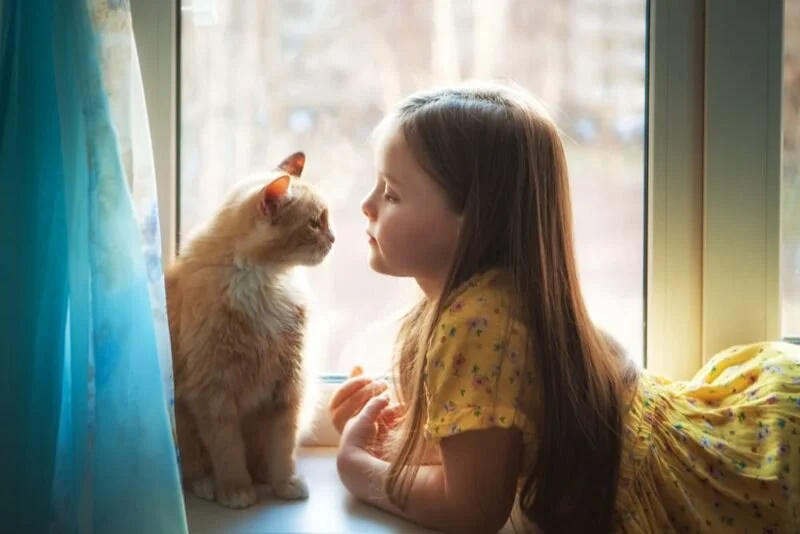
- 1-understanding-your-kittens-behavior
- 2-preparing-your-home-and-kids-for-a-new-kitten
- 3-gradual-introduction-techniques
- 4-using-play-and-positive-reinforcement
- 5-recognizing-stress-signs-and-intervening
- 6-building-lasting-bonds-between-kitten-and-children
- 7-common-challenges-and-how-to-handle-them
- 8-expert-tips-for-successful-socialization
- 9-why-omnia-pet-is-your-ideal-resource
1. Understanding Your Kitten’s Behavior
Before introducing a kitten to children, it’s essential to understand their natural behaviors and communication signals. Kittens are curious, energetic, and may become frightened easily. Observing their body language—such as tail movements, ear positions, and vocalizations—helps caregivers respond appropriately to their needs. Understanding these cues ensures that children interact safely and respectfully, reducing the risk of stress for the kitten.

1.1 Natural Play and Exploration
Kittens use play to develop coordination and social skills. They may pounce, swipe, or chase moving objects, which are normal behaviors but may need guidance when interacting with young children. Teaching kids how to respond calmly and gently ensures a positive experience for both parties.

1.2 Recognizing Comfort Zones
Every kitten has areas where they feel safe, such as a cozy bed or a high perch. Respecting these spaces prevents unwanted stress and allows the kitten to retreat when overwhelmed. Explaining this to children helps them understand boundaries and fosters responsible pet ownership.
2. Preparing Your Home and Kids for a New Kitten
Preparation is key for a smooth integration of a kitten into a household with children. Both the physical environment and children’s understanding of pet care need attention.
2.1 Safe Spaces for the Kitten
Set up areas where the kitten can eat, sleep, and retreat without disturbance. Use gates or separate rooms if necessary to manage initial interactions. This also provides a sense of security for the kitten during the adjustment period.
2.2 Educating Children
Teach children the basics of kitten behavior, proper handling, and gentle petting techniques. Role-playing or supervised interactions can help them develop patience and respect for the kitten’s needs.
3. Gradual Introduction Techniques
Introducing kittens to children should be gradual and monitored closely to ensure safety and build trust.
3.1 Initial Observations
Allow the kitten to observe children from a distance before direct interaction. This helps reduce anxiety and provides time for the kitten to acclimate to new sights, sounds, and movements.
3.2 Controlled Interactions
Start with short, supervised sessions where the child offers treats or toys to the kitten. Reward calm behavior and slowly increase interaction duration as comfort grows.
3.3 Positive Associations
Pair the presence of children with positive experiences, such as feeding or gentle play, to foster positive associations and reduce fear or aggression.
4. Using Play and Positive Reinforcement
Play is a vital tool for socialization, helping the kitten learn appropriate behaviors and strengthening bonds with children.
4.1 Interactive Toys
Feather wands, laser pointers, and small balls engage kittens in active play without risking rough handling. Children can learn to guide play safely, encouraging proper use of claws and teeth.
4.2 Rewarding Good Behavior
Positive reinforcement, such as treats or praise, encourages the kitten to approach children calmly. Reinforce gentle interactions consistently to build long-term habits.
5. Recognizing Stress Signs and Intervening
Even the most social kittens can become overwhelmed. Recognizing stress early prevents negative experiences.
5.1 Common Stress Indicators
Hissing, flattened ears, tail flicking, hiding, or swatting are signs the kitten feels threatened. Children should be taught to stop interaction immediately when these behaviors appear.
5.2 Calm Intervention Techniques
Encourage the kitten to retreat to a safe space and allow time to decompress. Avoid forcing interaction, as this may create fear or defensive behaviors.
6. Building Lasting Bonds Between Kitten and Children
Consistent, gentle interaction forms a foundation for a healthy relationship that grows with the kitten and children.
6.1 Daily Routine
Incorporate play and care into daily routines, such as feeding, brushing, and interactive games. Routine helps kittens feel secure and understand expectations.
6.2 Shared Responsibilities
Allow children to participate in appropriate care tasks under supervision. Responsibilities like refilling water or assisting with grooming teach accountability and strengthen bonds.
7. Common Challenges and How to Handle Them
Even with preparation, challenges may arise when socializing kittens with children.
7.1 Overexcitement
Kittens may become overexcited during play, increasing the likelihood of scratching or biting. Redirect energy to toys or play sessions in a safe space.
7.2 Fear or Shyness
Some kittens are naturally shy and may take longer to adjust. Encourage gradual, positive interactions without forcing contact.
7.3 Rough Handling by Children
Supervision and education are essential. Demonstrate proper handling and consistently guide children toward gentle interactions.
8. Expert Tips for Successful Socialization
- Start early: Socializing kittens before they reach 12 weeks ensures better adaptation to children.
- Short sessions: Multiple short interactions are more effective than long, stressful sessions.
- Use treats wisely: Reward calm and gentle behavior to reinforce positive associations.
- Observe closely: Adjust strategies based on the kitten’s responses to prevent fear or aggression.
- Maintain boundaries: Respect the kitten’s personal space to encourage trust and confidence.
9. Why Omnia Pet Is Your Ideal Resource
Omnia Pet offers comprehensive guidance, products, and expert advice to ensure successful socialization of kittens with children. From high-quality toys and treats to educational resources on kitten behavior, Omnia Pet supports families in creating a safe, loving environment. Their tips and tools help children develop responsible pet ownership skills while nurturing a kitten’s growth into a well-adjusted, friendly adult cat.




 Koi and More Pond Shop4.0 (36 reviews)
 Peppy Pooch5.0 (1 reviews)
 Sofishticated Aquatics4.0 (32 reviews)
 Seymour Veterinary Hospital4.0 (59 reviews)
 Nassau Veterinary Clinic4.0 (340 reviews)
 Bullerz Pet Supply4.0 (25 reviews)
 Why Do Cats Love Catnip? And Is It Safe?
 How to Introduce Your Kitten to a Cat Backpack: A Simple Guide for Pet Owners
 The Best Cat Trees for Energetic Kittens to Climb
 A Guide to Feline Cancer: Common Types and Symptoms Every Cat Owner Should Know
 The Best Dog Breeds for Seniors and Retirees Looking for Companionship
 The Science of a Kitten's Immune System Development: A Deep Dive into Kitten Health