
Understanding Why Your Kitten Sleeps on Your Face
- 1 - The Affectionate Bond Between You and Your Kitten
- 2 - Seeking Warmth and Comfort
- 3 - Scent and Security Factors
- 4 - Kitten Play and Exploration Behavior
- 5 - Sleep Patterns and Nocturnal Activity
- 6 - Tips for Safe Co-Sleeping with Your Kitten
- 7 - Alternative Sleeping Spots for Your Kitten
- 8 - Health Considerations for Face-Sleeping Kittens
- 9 - Training Your Kitten Gently
- 10 - Conclusion and Peaceful Nights
1 - The Affectionate Bond Between You and Your Kitten
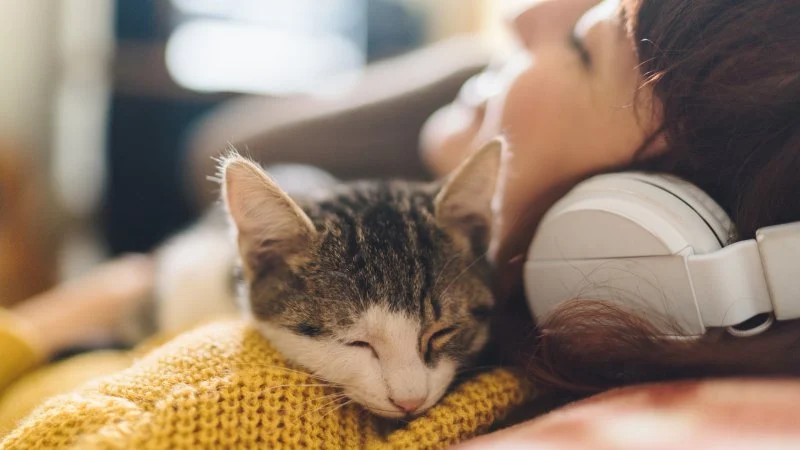
When a kitten chooses to sleep on your face, it often indicates a strong emotional connection. Cats are social animals that seek closeness to those they trust. Your kitten sleeping near your head shows affection and the desire to bond. This behavior is commonly seen in kittens raised with consistent human interaction, signaling comfort and trust in their caregiver.

Vetco Vaccination Clinic
West OrangeEssex CountyNew Jersey
Essex Green Shoping Ctr, 495 Prospect Ave #201, West Orange, NJ 07052, USA
2 - Seeking Warmth and Comfort
Kittens are drawn to warmth, especially since they have a higher surface area-to-volume ratio, causing them to lose heat quickly. Your face, neck, and chest provide a steady source of warmth. This is particularly true during colder nights or when the kitten is young and still regulating body temperature. The sensation of warmth combined with your steady breathing and heartbeat creates a comforting environment that mimics the safety of their mother.
3 - Scent and Security Factors
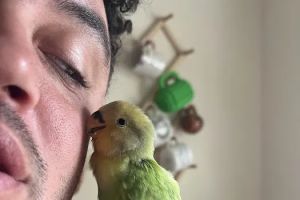
Cats rely heavily on scent for comfort. Your face carries your natural pheromones, which your kitten associates with safety. Sleeping on your face allows your kitten to feel secure and reduces anxiety. This behavior may also be more common in kittens that were separated from their mother early, as they seek additional reassurance from their human companion. Recognizing this can help you provide a secure environment while reinforcing positive interactions.
4 - Kitten Play and Exploration Behavior
Kittens are naturally curious and explore their surroundings. Climbing onto your face may be a combination of playfulness and seeking a vantage point. Your face offers an elevated spot that gives them a sense of control and observation. Understanding this playful behavior can help you redirect energy into safe toys or climbing structures, while appreciating the trust and attachment your kitten exhibits.
5 - Sleep Patterns and Nocturnal Activity
Kittens are crepuscular, meaning they are most active during dawn and dusk. Their sleep cycles often differ from human patterns, which may explain why they choose to snuggle close during your sleep hours. This behavior provides reassurance while your kitten navigates its natural sleep-wake rhythms. Awareness of these cycles allows you to anticipate and adjust sleeping arrangements for both safety and comfort.
6 - Tips for Safe Co-Sleeping with Your Kitten
If you allow your kitten to sleep near your face, consider safety measures: ensure they are clean, nails are trimmed, and bedding is secure. Avoid covering your kitten with blankets that could restrict breathing. Some owners place their kittens on the pillow near the head rather than directly on the face. Monitoring co-sleeping ensures your kitten remains comfortable while you sleep safely.
7 - Alternative Sleeping Spots for Your Kitten
Provide cozy alternatives that replicate warmth and scent, such as small pet beds on your pillow or heated pads designed for kittens. Using soft blankets and a shirt that carries your scent can encourage them to sleep nearby without being directly on your face. Gradually redirecting their sleep spot helps maintain safety while preserving emotional closeness and trust.
8 - Health Considerations for Face-Sleeping Kittens
While this behavior is often harmless, be mindful of allergies or respiratory sensitivities. Kittens may carry fur or dander that affects breathing, especially for individuals prone to asthma. Keeping your kitten clean and scheduling regular veterinary checkups minimizes health risks. A healthy kitten is more likely to maintain consistent, affectionate behavior without causing discomfort.
9 - Training Your Kitten Gently
Redirecting your kitten without punishment is key. Positive reinforcement, such as treats or gentle petting when they sleep in designated spots, encourages desirable behavior. Avoid harsh scolding, as it may damage trust. Patience and consistency help your kitten feel secure while learning safe sleeping habits that benefit both the pet and caregiver.
10 - Conclusion and Peaceful Nights
Understanding why your kitten sleeps on your face reveals their need for warmth, comfort, security, and affection. By observing their behavior and providing safe alternatives, you can nurture a strong bond while ensuring both your safety and theirs. For additional tips, supplies, and expert advice on kitten care, visit Omnia Pet to explore products that enhance comfort, safety, and play for your kitten, making every night a peaceful and affectionate experience.




 Veterinary Emergency Group4.0 (386 reviews)
 Pawcatuck Veterinary Clinic4.0 (126 reviews)
 Pet Urgent Care4.0 (118 reviews)
 CityVet | Chandler Veterinary & Urgent Care4.0 (98 reviews)
 Petco4.0 (719 reviews)
 Pet Supermarket4.0 (537 reviews)
 How to Tell if Your Kitten is a Maine Coon Mix – Signs and Characteristics to Look For
 How to Litter Train a Pet Rabbit Successfully – Tips and Techniques
 A Guide to Feline Nutrition: Reading Cat Food Labels
 How to Prepare Your Kitten for Their First Grooming Session | Omnia Pet
 How to Administer Liquid Medicine to Your Cat – A Complete Guide
 Why Do Kittens Have Blue Eyes at First?