
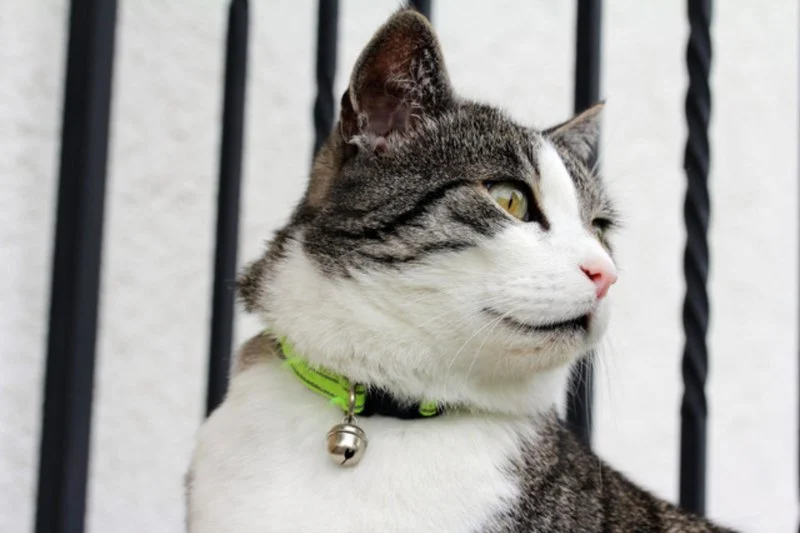
- 1 - Understanding Kitten Needs - Why Collar Choice Matters
- 2 - Safety Features to Consider - Protecting Your Kitten
- 3 - Material and Comfort - Choosing the Best Fit
- 4 - Adjustable Sizing for Growth - Ensuring a Perfect Fit
- 5 - Types of Collars - Breakaway, Elastic, and Decorative Options
- 6 - Introducing Your Kitten to a Collar - Training Tips
- 7 - Personalizing and Accessorizing - Style Meets Function
- 8 - Real-Life Examples and Owner Stories - Lessons from Experienced Cat Owners
- 9 - Professional Resources and Products - Recommendations from Omnia Pet
1 - Understanding Kitten Needs - Why Collar Choice Matters
1.1 Growth Considerations
Kittens grow rapidly, and a collar that fits today may be too tight in a few weeks. Choosing a collar that accommodates growth prevents discomfort and potential injury. Adjustable collars are often the best solution for kittens in their first six months.
1.2 Purpose of a Collar
Collars are not only decorative—they provide a place for ID tags, bell attachments, and safety features. Understanding your kitten's lifestyle and environment helps determine which features are essential.
2 - Safety Features to Consider - Protecting Your Kitten
2.1 Breakaway Mechanism
A breakaway collar releases under pressure, preventing strangulation if the kitten gets caught. This feature is particularly important for indoor-outdoor cats or those who explore tight spaces.
2.2 Bell Attachments
Bells alert you and others to your kitten's presence. However, ensure the bell is lightweight and securely attached to avoid choking hazards or discomfort.
3 - Material and Comfort - Choosing the Best Fit
3.1 Soft Fabrics
Materials such as nylon, soft leather, or woven fabric provide flexibility and comfort. Avoid rough materials that may irritate sensitive kitten skin.
3.2 Lightweight Design
Kittens are small and delicate, so a collar should be lightweight. Heavy or stiff collars can restrict movement and cause stress or skin irritation.
4 - Adjustable Sizing for Growth - Ensuring a Perfect Fit
4.1 Measuring Your Kitten
Measure your kitten's neck circumference and allow for at least two fingers of clearance. This ensures the collar is snug but not tight, and can be adjusted as your kitten grows.
4.2 Checking Fit Regularly
As your kitten grows, check the collar every few weeks. A collar that is too tight can cause hair loss, skin irritation, or breathing difficulty, while a loose collar may slip off.
5 - Types of Collars - Breakaway, Elastic, and Decorative Options
5.1 Breakaway Collars
Breakaway collars are the safest choice for kittens, releasing automatically if caught on furniture or other obstacles. They come in various styles and colors, making safety stylish.
5.2 Elastic Collars
Elastic collars provide flexibility and stretch, offering another layer of safety. They are ideal for kittens who are still learning to navigate their environment.
5.3 Decorative Collars
Collars with bows, patterns, or charms enhance your kitten's appearance but should still meet safety and comfort standards. Decorative options are perfect for special occasions or photo sessions.
6 - Introducing Your Kitten to a Collar - Training Tips
6.1 Gradual Introduction
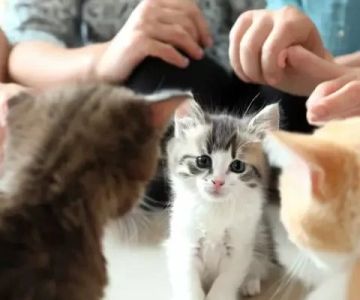
Start by letting your kitten sniff and play with the collar before putting it on. Gradually increase wearing time, ensuring positive reinforcement with treats or praise.
6.2 Observing Behavior
Monitor your kitten’s reaction. If they try to remove the collar, adjust the fit or use a softer material. Some kittens need a few days to fully adapt.
7 - Personalizing and Accessorizing - Style Meets Function
7.1 ID Tags
Attach an ID tag with your contact information in case your kitten wanders outdoors. Choose lightweight tags to avoid strain on their neck.
7.2 Color and Pattern Choices
Select colors that complement your kitten’s fur or reflect their personality. Patterns and accessories can be fun while still ensuring safety and comfort.
8 - Real-Life Examples and Owner Stories - Lessons from Experienced Cat Owners
8.1 Adaptation Success
One owner shared that their kitten adjusted quickly to a breakaway collar by associating it with treats and playtime. Regular checks and proper sizing helped the kitten feel secure without discomfort.
8.2 Mistakes to Avoid
Another story highlights the importance of fit: a loose collar slipped off during exploration, emphasizing why adjustable and secure collars are essential for growing kittens.
9 - Professional Resources and Products - Recommendations from Omnia Pet
9.1 Expert-Approved Collars
Omnia Pet offers a variety of kitten collars with safety features, adjustable sizing, and durable materials. Using expert-recommended products ensures both comfort and security for your growing kitten.
9.2 Educational Resources
Omnia Pet also provides guidance on selecting collars, measuring your kitten, and training them to wear a collar successfully. Leveraging these resources helps new cat owners make informed decisions.



 PetVet Vaccination Clinic0.0 (0 reviews)
 Skillman Animal Clinic3.0 (143 reviews)
 VIP Petcare Vaccination Clinic0.0 (0 reviews)
 Petco4.0 (982 reviews)
 Petco4.0 (1055 reviews)
 Boulevard Veterinary Care4.0 (148 reviews)
 The Complete Kitten Care Guide: From Birth to One Year
 Why Is My Cat Sneezing? Allergies vs. Infection Explained
 Why Do Kittens Have Whiskers on Their Legs? | Omnia Pet
 The Best Dog Names of 2024: Top Trends and Classic Choices
 The Best Diet for a Siamese Kitten's Sensitive System
 What Does It Mean When Your Cat Winks? A Guide to Understanding Cat Behavior