
- 1-What-is-the-Critical-Socialization-Period
- 2-Importance-of-Early-Socialization
- 3-Key-Socialization-Skills-for-Kittens
- 4-Techniques-to-Socialize-Your-Kitten
- 5-Common-Challenges-and-Solutions
- 6-Monitoring-Progress-and-Adjusting-Approaches
- 7-Real-Life-Socialization-Success-Stories
- 8-Long-Term-Benefits-of-Proper-Socialization
- 9-Resources-and-Recommended-Products
1. What is the Critical Socialization Period
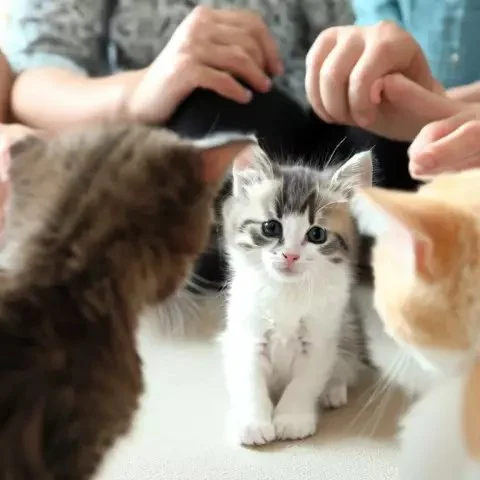
The critical period for kitten socialization is a window in early life, typically between two and seven weeks of age, during which kittens are most receptive to new experiences, people, and other animals. During this time, positive interactions help shape a kitten’s personality and influence their comfort with humans and other pets later in life.
1.1 Biological Foundations
During this period, the kitten’s brain develops rapidly, and exposure to varied stimuli helps form neural pathways associated with social behavior. Without proper experiences, kittens may develop fear or anxiety, making it difficult for them to adjust to new environments or social situations.
1.2 Emotional Development
Early socialization allows kittens to learn trust, reduce stress responses, and build confidence. Play, gentle handling, and exploration are crucial to ensure kittens develop into well-adjusted adults.
2. Importance of Early Socialization
Socialization during this critical period has lasting effects on a kitten’s behavior, health, and overall quality of life.
2.1 Reducing Fear and Aggression
Kittens exposed to a variety of people, pets, and sounds are less likely to display fear-based aggression as adults. Early exposure fosters tolerance and adaptability to different environments and situations.
2.2 Strengthening Human-Kitten Bonds
Positive interactions with humans at a young age improve trust and bonding. Kittens learn that handling, petting, and gentle play are safe, which creates lifelong affectionate behavior.
3. Key Socialization Skills for Kittens
There are several essential skills and behaviors kittens should develop during the socialization period:
3.1 Handling and Touch Tolerance
Introduce gentle handling of paws, ears, and mouth to prepare kittens for veterinary visits, grooming, and general care. This prevents stress and resistance later in life.
3.2 Exposure to Household Environments
Allow kittens to explore different rooms, surfaces, and household sounds. Vacuum cleaners, doors, and clattering dishes should become familiar in controlled, positive ways.
3.3 Interaction with People and Other Animals
Kittens benefit from meeting people of different ages, including children, as well as other pets. Properly supervised introductions teach kittens to remain calm and confident around others.
4. Techniques to Socialize Your Kitten
Effective socialization requires consistency, patience, and positive reinforcement.
4.1 Gentle Play Sessions
Use toys to encourage interaction while building trust. Avoid rough play with hands, which may encourage biting.
4.2 Positive Reinforcement
Reward calm behavior and curiosity with treats, praise, or petting. Reinforcement helps kittens associate new experiences with positive outcomes.
4.3 Gradual Exposure
Introduce new environments and stimuli incrementally. Sudden exposure to large crowds or loud noises can create fear rather than confidence.
5. Common Challenges and Solutions
Socializing kittens is rewarding but can come with obstacles.
5.1 Fearful or Shy Kittens
Shy kittens may take longer to warm up. Use slow approaches, low-stress handling, and extra patience. Omnia Pet offers guidance on calming techniques and safe socialization tools.
5.2 Multiple Kittens
When socializing multiple kittens, balance attention among them to ensure each kitten receives sufficient handling and interaction. Supervise group play to prevent over-stimulation or conflict.
6. Monitoring Progress and Adjusting Approaches
Tracking your kitten’s responses helps refine your socialization plan.
6.1 Observing Behavior
Watch for signs of stress, such as hiding, hissing, or flattened ears. Adjust interactions to reduce stress and encourage gradual acclimation.
6.2 Incremental Challenges
Increase exposure to novel experiences in small steps, ensuring the kitten remains comfortable and confident at each stage.
7. Real-Life Socialization Success Stories
Many cat owners have transformed timid kittens into confident companions through early socialization.
7.1 A Rescue Kitten’s Transformation
A kitten rescued from a shelter was extremely shy around humans. Through daily handling, gentle play, and exposure to household sounds, the kitten became affectionate, playful, and confident, now thriving in a loving home.
7.2 Multi-Kitten Home Success
In a home with three kittens, owners followed structured socialization routines, including supervised play, exposure to children, and gradual environmental exploration. The kittens became well-adjusted and sociable, demonstrating that consistent early guidance pays off.
8. Long-Term Benefits of Proper Socialization
Proper socialization during the critical period leads to:
8.1 Reduced Behavioral Problems
Kittens are less likely to develop aggression, fear, or anxiety as adults. They adapt more easily to changes and new experiences.
8.2 Stronger Human-Animal Bond
Well-socialized kittens form trusting relationships with their owners, leading to deeper companionship and mutual enjoyment.
8.3 Enhanced Quality of Life
Confident, curious, and playful cats enjoy enriched environments and engage in safe exploration, contributing to long-term wellbeing.
9. Resources and Recommended Products
Owners seeking tools and guidance for kitten socialization can explore resources like Omnia Pet for:
- Safe toys and enrichment items
- Gentle handling guides and tutorials
- Socialization products, including play tunnels and interactive feeders
- Consultation on kitten behavior and early development
Understanding and utilizing the critical period for kitten socialization sets the foundation for a lifetime of healthy behavior and positive interactions. By providing structured exposure, gentle handling, and enrichment, kittens develop into confident, friendly cats ready to thrive in human households.





 Pet Food Naturals5.0 (1 reviews)
 Liberty Animal Clinic4.0 (384 reviews)
 Reef eScape4.0 (210 reviews)
 Veterinary Care Group - Middle Village4.0 (512 reviews)
 Pet Supplies Plus Athens4.0 (614 reviews)
 Companion Animal Medical Center4.0 (252 reviews)
 A Guide to Canine Cognitive Dysfunction (Doggy Dementia)
 The Best Way to Clean a Kitten's Ears at Home
 How to Help a Kitten with a Cold Sore
 The Best Interactive Apps for Entertaining Your Kitten>
 A Guide to Cat Vaccinations: Schedule, Costs, and What They Prevent
 The Best CBD Treats for Cats with Arthritis Pain