

- 1 - Understanding Cat Sneezing: Common Causes
- 2 - Allergies in Cats: Symptoms and Triggers
- 3 - Infections in Cats: Viral and Bacterial Causes
- 4 - Differentiating Allergies vs. Infection
- 5 - When to See a Veterinarian
- 6 - Treatment Options for Sneezing Cats
- 7 - Preventive Measures to Keep Your Cat Healthy
- 8 - Real-Life Case Studies
- 9 - Tips for Cat Owners
- 10 - Recommended Products from Omnia Pet
1. Understanding Cat Sneezing: Common Causes
Sneezing in cats is a common occurrence and usually serves as the body’s mechanism to expel irritants from the nasal passages. While occasional sneezing is typically harmless, frequent or persistent sneezing can indicate underlying health issues that require attention.

Kriser's Natural Pet
Highland ParkLake CountyIllinois
171 Skokie Valley Rd, Highland Park, IL 60035, USA
1.1 Why Cats Sneezing Matters
Unlike humans, cats cannot communicate discomfort clearly. Sneezing may indicate:
- Allergies or environmental irritants
- Respiratory infections
- Dental issues affecting the sinuses
- Foreign objects in the nasal cavity
Understanding the root cause is critical to ensuring your cat's well-being and preventing further complications.

P.V. Village Pet Hospital
Redondo BeachLos Angeles CountyCalifornia
1930 S Pacific Coast Hwy, Redondo Beach, CA 90277, USA
1.2 Common Signs Accompanying Sneezing
Watch for symptoms like nasal discharge, watery eyes, coughing, lethargy, or reduced appetite. These signs can help differentiate between minor irritations and serious conditions.
2. Allergies in Cats: Symptoms and Triggers
Allergies are one of the leading causes of sneezing in cats. These can range from environmental allergens to food sensitivities.
2.1 Symptoms of Allergies in Cats
- Frequent, repetitive sneezing
- Clear nasal discharge
- Itchy skin or scratching
- Watery or red eyes
2.2 Common Allergy Triggers
Allergens may include pollen, dust mites, mold, cigarette smoke, or even certain household cleaning products. Some cats also show reactions to specific foods, such as dairy or grains.
2.3 Seasonal Allergies vs. Year-Round Allergies
Seasonal allergies are more prominent during spring or fall when pollen levels are high. Year-round allergies may indicate dust or indoor allergens, and managing the home environment is essential for symptom relief.
3. Infections in Cats: Viral and Bacterial Causes
Unlike allergies, infections can be more serious and sometimes contagious to other cats.
3.1 Viral Infections
Common viral causes include feline herpesvirus (FHV-1) and feline calicivirus (FCV). These can cause sneezing, eye discharge, and sometimes oral ulcers. Vaccination can reduce the risk but does not always prevent infection completely.
3.2 Bacterial Infections
Bacterial infections, such as Bordetella bronchiseptica or Chlamydophila felis, often lead to thicker nasal discharge and may require antibiotic treatment. These infections can also trigger secondary complications if left untreated.
3.3 Signs That Indicate Infection
Unlike allergies, infections are often accompanied by:
- Yellow or green nasal discharge
- Fever or lethargy
- Loss of appetite
- Difficulty breathing in severe cases
4. Differentiating Allergies vs. Infection
Knowing whether your cat's sneezing is due to allergies or an infection is essential for treatment.
4.1 Duration and Frequency
Allergies often cause intermittent sneezing linked to exposure, while infections typically result in persistent sneezing lasting days to weeks.
4.2 Type of Discharge
Clear and watery discharge usually indicates allergies, whereas thick, colored discharge suggests a bacterial or viral infection.
4.3 Additional Symptoms
If sneezing is accompanied by fever, lethargy, or loss of appetite, it is more likely to be an infection than an allergy. Observing your cat's overall health is key to correct diagnosis.
5. When to See a Veterinarian
Immediate veterinary attention is recommended if:
- Sneezing persists for more than a week
- There is colored nasal discharge
- Your cat is showing lethargy, loss of appetite, or difficulty breathing
- Sneezing is accompanied by eye or mouth lesions
5.1 Diagnostic Methods
Vets may use physical exams, nasal swabs, blood tests, or imaging to identify the cause. Prompt diagnosis ensures timely and effective treatment.
6. Treatment Options for Sneezing Cats
6.1 Managing Allergies
- Reduce exposure to allergens (air purifiers, regular cleaning, avoiding smoke)
- Use antihistamines under veterinary guidance
- Introduce hypoallergenic diets if food sensitivity is suspected
6.2 Treating Infections
- Viral infections may require supportive care like hydration, nutritional support, and antivirals in severe cases
- Bacterial infections often require antibiotics
- Ensure strict hygiene to prevent spreading to other pets
6.3 Home Care Tips
Keep your cat hydrated, maintain a clean living space, and monitor symptoms daily. Nasal saline drops or humidifiers can sometimes relieve mild congestion but should not replace veterinary care.
7. Preventive Measures to Keep Your Cat Healthy
Prevention is always better than treatment. Here are essential strategies:
7.1 Vaccinations and Vet Checkups
Regular vaccinations against common feline viruses significantly reduce infection risk. Annual vet visits help detect early signs of respiratory issues.
7.2 Environmental Management
Keep dust, mold, and strong chemical cleaners out of your cat’s environment. Regular cleaning of bedding and litter boxes is essential.
7.3 Diet and Supplements
High-quality nutrition strengthens your cat’s immune system. Supplements like omega-3 fatty acids can support overall health and reduce inflammation from allergies.
8. Real-Life Case Studies
Consider Max, a 4-year-old Siamese cat in Texas, who developed frequent sneezing in spring. Initially suspected of infection due to the persistent sneezing, his vet discovered that pollen was the main culprit. Seasonal allergy management, including air purifiers and antihistamines, brought relief.
Another case involved Bella, a 2-year-old domestic shorthair, who had green nasal discharge and lethargy. Quick intervention with antibiotics for a bacterial infection led to full recovery. Both examples demonstrate how careful observation and professional guidance ensure the best outcomes.
9. Tips for Cat Owners
9.1 Observation and Record-Keeping
Keep a diary of your cat’s sneezing episodes, noting frequency, discharge type, and potential triggers. This helps the vet diagnose accurately.
9.2 Separate Sick Cats
If you have multiple cats, isolate the one showing symptoms until a vet confirms it is safe to interact with others.
9.3 Avoid Over-the-Counter Medications Without Guidance
Human antihistamines or decongestants can be toxic to cats. Always consult your veterinarian before giving any medication.
10. Recommended Products from Omnia Pet
For cat owners looking for trusted products, Omnia Pet offers:
- High-quality air purifiers to reduce allergens in your home
- Specialized cat diets and hypoallergenic foods
- Supplements for immune support and respiratory health
- Cleaning products safe for pets to reduce environmental irritants
Using reliable products from Omnia Pet ensures your cat remains healthy, happy, and less prone to sneezing triggered by allergies or infections.


 Warminster Veterinary Hospital4.0 (131 reviews)
 Soderstrom Veterinary4.0 (56 reviews)
 Huntington Pet Vet4.0 (634 reviews)
 Weebner's Wild Bird Supply and Gifts0.0 (0 reviews)
 Petco4.0 (684 reviews)
 VIP Petcare Vaccination Clinic4.0 (176 reviews)
 The title is concise,
 Why Is My Cat's Third Eyelid Showing? When to Worry
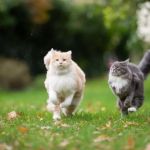 Why Do Kittens Like to Chase Their Tails?
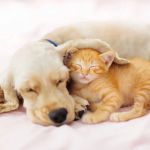 How to Introduce a Kitten to an Older Dog | Pet Introduction Tips
 How to Help a Kitten with a Broken Whisker: Expert Tips and Care
 Signs of Bloat in Dogs (GDV): This is a Life-Threatening Emergency