
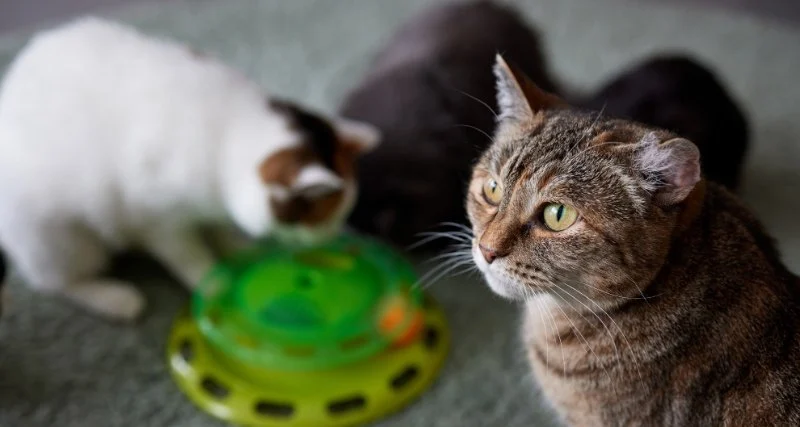
Overview of Neutering and Spaying for Kittens
Neutering and spaying are common veterinary procedures that provide numerous health benefits for kittens. These procedures are often recommended for preventing unwanted pregnancies and reducing the risk of certain health conditions. Neutering refers to the removal of a male kitten's testicles, while spaying involves the removal of a female kitten’s ovaries and uterus. Understanding when to neuter or spay your kitten is essential for their overall health and well-being. In this guide, we’ll explore the best age for these procedures, the benefits they offer, and key considerations for pet owners.

Bryan Animal Hospital
Westampton TownshipBurlington CountyNew Jersey
102 Burrs Rd, Westampton Township, NJ 08060, USA
Best Age for Neutering and Spaying Kittens
One of the most common questions pet owners ask is: “When should I spay or neuter my kitten?” The timing of these procedures is important not only for health reasons but also for the kitten’s development. The ideal age for neutering and spaying varies slightly depending on the veterinarian and your kitten’s health, but there are general guidelines to follow.

Aliso Viejo Animal Hospital
Aliso ViejoOrange CountyCalifornia
23411 Aliso Viejo Pkwy Suite A, Aliso Viejo, CA 92656, USA
1. Early Neutering and Spaying (8-16 Weeks)
Many veterinarians recommend neutering or spaying kittens between 8 and 16 weeks of age, with some veterinary practices advocating for early-age spay/neuter programs. At this age, kittens are typically mature enough for the procedure, and it can be done safely with minimal risk. Early spaying or neutering can prevent unwanted behaviors such as spraying or territorial marking and helps prevent overpopulation.
2. Traditional Neutering and Spaying (5-6 Months)
Traditionally, kittens were neutered or spayed around 5 to 6 months of age. At this point, the kitten is often fully weaned, and their reproductive organs are developed enough for the procedure. Spaying or neutering at this age still offers significant benefits, including preventing unwanted litters and reducing the risk of reproductive cancers.
3. Considerations for Older Kittens
In some cases, spaying or neutering may be delayed until the kitten is older, especially if they are part of a breeding program or have health issues. However, delaying the procedure past 6 months may increase the risk of certain behaviors, such as marking or aggression, in male cats.
Health Benefits of Neutering and Spaying
Neutering and spaying offer a wide range of health benefits for kittens. These procedures are often recommended not only for population control but also for improving your kitten's long-term health and behavior. Here are some of the primary benefits:
1. Prevents Unwanted Pregnancies
One of the most important reasons for spaying female kittens and neutering male kittens is to prevent unwanted pregnancies. There are millions of stray and abandoned cats each year, and spaying and neutering can help control the pet population. By spaying or neutering your kitten early, you contribute to a responsible pet ownership culture.
2. Reduces the Risk of Health Issues
Neutering and spaying significantly reduce the risk of several serious health problems. For female kittens, spaying helps prevent uterine infections and reduces the risk of mammary cancer. For male kittens, neutering eliminates the risk of testicular cancer and can prevent prostate issues. Early spaying and neutering also prevent certain reproductive system diseases that could affect your kitten later in life.
3. Improves Behavior
Spaying and neutering your kitten can help improve their behavior. Female cats in heat can be more vocal, restless, and prone to escaping, while male cats may exhibit aggression, roaming, and marking territory. These behavioral issues can often be reduced or eliminated with spaying and neutering, making your kitten a more calm and manageable pet.
Important Considerations Before Neutering or Spaying
Before proceeding with spaying or neutering your kitten, there are a few important factors to consider:
1. Health and Wellness
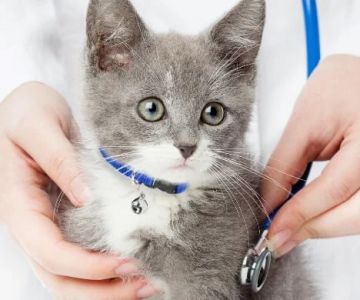
Ensure your kitten is in good health before undergoing the procedure. Most veterinarians will require a pre-surgery health exam to assess the kitten’s overall well-being and confirm they are ready for surgery. If your kitten has any underlying health issues, your vet may recommend postponing the procedure until they are stronger or more stable.
2. The Procedure Itself
The neutering or spaying procedure is typically done under general anesthesia and is relatively quick. Recovery times are short, but your kitten may need some time to fully heal. Following your vet’s aftercare instructions is crucial to ensure the best outcome for your kitten.
3. Choosing a Veterinarian
Choosing the right veterinarian for the procedure is essential. Make sure to find a vet with experience in kitten neutering and spaying. You can ask for recommendations from other pet owners or consult online reviews to ensure you’re making the best decision for your kitten's care.
Real-Life Stories and Experiences
Many kitten owners have shared positive experiences about their pets’ spay/neuter procedures. For example, one owner shared how their kitten, Luna, recovered quickly from her spay surgery and immediately showed a calmer and more affectionate personality afterward. Another cat owner mentioned how neutering their male kitten, Max, reduced his tendency to wander outside and improved his overall mood. These stories show the transformative benefits of neutering and spaying at the right age.
Final Thoughts on Kitten Neutering and Spaying
Neutering and spaying are vital steps in ensuring your kitten’s health and well-being, as well as promoting responsible pet ownership. Understanding the best age for these procedures, the health benefits they offer, and the necessary precautions will help you make the best decision for your pet. By following expert advice and making an informed choice, you can help your kitten live a healthier, happier life. For more tips on kitten care and health, visit【Omnia Pet】for recommended products and services tailored to your pet’s needs.





 VCA Community Companion Animal Hospital4.0 (217 reviews)
 Station Plaza Veterinary Group4.0 (157 reviews)
 Whiskerful (E-commerce Pet Accessories)5.0 (3 reviews)
 KAYLEY'S PET SHOP3.0 (3 reviews)
 Petco4.0 (1094 reviews)
 Angels Pet World Too4.0 (50 reviews)
 The Best Time of Day to Feed Your Dog: Morning vs. Evening
 Why Is My Kitten So Clumsy? Coordination Development Guide
 The Best Ways to Keep a Kitten Cool in Summer: Essential Tips
 The Science of a Kitten's Hearing Development: Understanding Their Sensory Growth
 A Guide to Feline Arthritis: How to Make Your Cat Comfortable
 Why Does My Cat Lay on My Chest? Signs of Affection and Comfort