
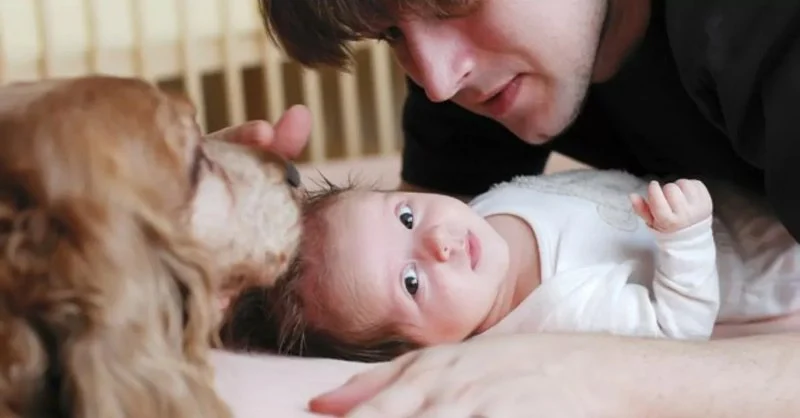
How to Introduce Your Dog to a New Baby Safely
- 1. Preparing Your Dog Before the Baby Arrives
- 2. First Meeting Between Your Dog and the New Baby
- 3. Creating a Safe Environment for Both Baby and Dog
- 4. Ongoing Management and Supervision
1. Preparing Your Dog Before the Baby Arrives
Before your baby arrives, it’s essential to prepare your dog for the changes in the home. Dogs can be sensitive to shifts in their routine, and introducing new sounds, smells, and experiences gradually can make the transition easier for them. Start by setting boundaries in your home, such as restricting access to certain rooms or furniture where the baby will spend a lot of time.
Training is key. Teach your dog basic commands such as "sit," "stay," and "leave it," which will be useful in ensuring they behave appropriately around the baby. If you anticipate any issues, such as possessiveness or anxiety, consider consulting a professional dog trainer for additional support.

Duša’s Deli Dog Treats
Lacey TownshipOcean CountyNew Jersey
1235 Sylvania Pl, Forked River, NJ 08731, USA
2. First Meeting Between Your Dog and the New Baby
The first meeting between your dog and the new baby should be a calm, controlled experience. When introducing them, it’s important to keep the dog on a leash or in a controlled environment to avoid any sudden movements or accidents. Let the dog observe the baby from a safe distance, allowing them to become accustomed to the new presence without feeling threatened or overstimulated.
Be sure to stay calm and reassuring during the introduction. Speak in a soothing tone to your dog, and keep the baby still and calm. You may want to wait until the baby is asleep or in a bassinet to reduce any stress on the dog. Never force interaction, and always reward positive behavior.

3. Creating a Safe Environment for Both Baby and Dog
After the initial introduction, it’s important to create a safe environment for both your dog and the baby. Set up a designated space for your dog where they can retreat when they need some quiet time. This helps them adjust to the new presence in the household while giving them a space of their own where they feel comfortable.
Keep all baby items, such as toys and clothing, out of reach of the dog initially to avoid any possible chewing or stealing. Likewise, ensure that the baby’s crib or playpen is safe from the dog’s access. Supervision is key, especially in the early days.
4. Ongoing Management and Supervision
As your baby grows, it’s important to continue supervising interactions between your dog and the baby. Never leave them alone together, even if your dog has shown positive behavior in the past. Babies are naturally curious, and they may try to grab the dog’s fur, ears, or tail, which could lead to unintended reactions from the dog.
Make sure your dog gets plenty of attention and exercise to prevent jealousy or behavioral issues. If you notice any signs of stress or anxiety in your dog, take steps to address the situation before it escalates. Consistency in routines, training, and interactions will help ensure that your dog and baby develop a strong, positive bond.






 Islip Animal Hospital4.0 (205 reviews)
 TDBBS3.0 (27 reviews)
 Hollywood Feed4.0 (192 reviews)
 43rd Avenue Animal Hospital4.0 (424 reviews)
 FetchIQ0.0 (0 reviews)
 Howls and Meows Barkery5.0 (58 reviews)
 The Benefits of Adopting a Senior Pet vs. a Puppy or Kitten – Why Older Pets Make Great Companions
 Why Does My Kitten Have a Bald Spot? Common Causes and Treatment Options
 The Best Weaning Foods for Kittens Transitioning from Milk
 The Best Dog Breeds for Seniors and Retirees Looking for Companionship
 How to Help a Kitten with a Cold Sore
 How to Keep Your Cat's Litter Box from Smelling