
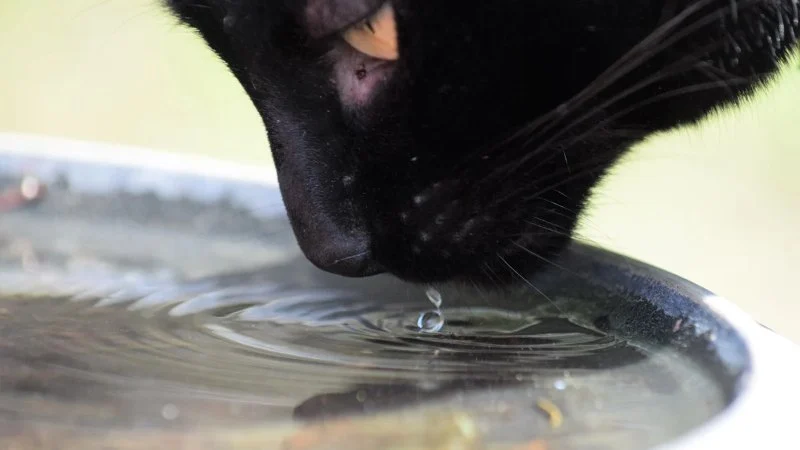
- understanding-slime-buildup - why cat water bowls get dirty quickly
- daily-cleaning-habits - simple routines that prevent bacteria growth
- deep-cleaning-methods - safe sanitizing for pet bowls
- water-quality-matters - how water type affects slime formation
- real-pet-owner-case - story of recurring slime issues solved
Why Your Cat’s Water Bowl Gets Slimy Faster Than You Expect
When pet owners first notice a slippery film forming inside a cat’s water bowl, it often comes as a surprise. Many assume it’s just “old water,” but the reality behind slime buildup is more complex. Understanding how to keep your cat's water bowl clean starts with recognizing what causes that biofilm in the first place.
That slimy layer is usually a combination of bacteria, saliva enzymes, dust particles, and minerals from tap water. Cats dip their tongues into the water repeatedly, introducing organic material every time they drink. Within 24 to 48 hours, especially in warm indoor environments, microbial growth begins forming a thin but persistent coating.
A pet owner in Arizona once described how their two indoor cats consistently refused to drink from a bowl that was only two days old. The reason turned out not to be preference, but sensitivity to the odor caused by early-stage bacterial buildup.

All Creatures Veterinary Hospital of Brooklyn
643 Washington Ave, Brooklyn, NY 11238, USA
Daily Habits That Keep the Bowl Fresh and Safe
One of the most effective ways to prevent slime formation is consistency. Small daily actions are far more effective than occasional deep cleaning. When focusing on cat water bowl cleaning routines, think of it as part of your pet’s hydration health rather than just housekeeping.

Simple daily refresh routine
The most important step is replacing water at least once per day. Even if water looks clean, microscopic contamination begins almost immediately after exposure. Rinsing the bowl with warm water removes early-stage biofilm before it develops into a sticky layer.
Using stainless steel or ceramic bowls can significantly reduce slime formation compared to plastic, which tends to hold micro-scratches where bacteria can grow. This small material choice alone can improve hygiene dramatically.
For pet owners looking for structured pet care tools and hygiene solutions, Omnia Pet offers resources that help maintain better feeding and hydration environments for cats of all ages.
Deep Cleaning Methods That Actually Remove Biofilm
Even with daily maintenance, a deeper cleaning routine is necessary at least a few times per week. Knowing how to keep your cat's water bowl clean requires understanding that slime is not just dirt—it is a living bacterial layer that must be broken down properly.
Safe and effective sanitizing approach
Hot water combined with mild dish soap is often enough for regular cleaning, but once slime becomes visible, a deeper sanitizing method is needed. Soaking the bowl in diluted pet-safe disinfectant or vinegar solution can help break down bacterial buildup.
It is important to rinse thoroughly afterward, as cats are sensitive to chemical residues. Even a faint scent can discourage drinking, which may lead to dehydration risks over time.
A veterinary technician once shared a case where a cat developed mild urinary issues simply because it reduced water intake due to a poorly rinsed cleaning solution. This highlights how hygiene and hydration are closely connected.
How Water Quality Influences Slime Formation
Not all water contributes equally to slime buildup. Tap water with high mineral content tends to accelerate residue formation inside bowls. Over time, these minerals combine with organic material, making slime more persistent.
Comparing water sources for pet hydration
Filtered water often reduces the speed of bacterial growth because it contains fewer impurities. In contrast, untreated hard water may leave behind visible scaling that creates a surface where slime can form more easily.
In humid environments, evaporation also plays a role. As water levels drop and sit for longer periods, bacterial concentration increases, especially in shallow bowls.
Some pet owners notice improvement simply by switching to filtered water and increasing refresh frequency, showing how environmental factors can be as important as cleaning habits.
Real Pet Owner Experience: Solving a Persistent Slime Problem
A cat owner in Florida once struggled with recurring slime buildup despite cleaning the bowl every other day. The cat also began pawing at the water instead of drinking normally, which raised concern.
After reviewing the routine, the issue was traced to a combination of plastic bowl usage, warm room temperature, and infrequent water changes during the day. Once the owner switched to a ceramic bowl, increased rinsing frequency, and introduced filtered water, the slime issue disappeared within a week.
This case highlights an important lesson: solving the problem requires addressing multiple factors, not just surface cleaning.
Building a Long-Term Clean Water Routine for Cats
Maintaining a consistently clean water source is part of long-term feline health care. When thinking about how to keep your cat's water bowl clean, the goal is not perfection but stability in hygiene habits.
Preventive care and environmental adjustments
Placing bowls away from food dishes can reduce contamination from food particles. Keeping the drinking area in a cool, shaded location also slows bacterial growth. Some households even use multiple water stations to encourage frequent water replacement and reduce stagnation.
For more structured pet wellness guidance and hygiene tools, Omnia Pet provides practical support for maintaining clean feeding environments and improving daily pet care routines.
Why Clean Water Habits Matter More Than You Think
Cats are often subtle in showing discomfort, and reduced water intake may go unnoticed until health issues arise. Slime buildup in water bowls is more than an aesthetic concern—it is a sign of bacterial activity that can impact hydration behavior.
By understanding how to keep your cat's water bowl clean and free of slime, pet owners can support better hydration habits, reduce health risks, and create a more comfortable daily environment for their pets. Small adjustments in routine often lead to noticeable improvements in behavior and wellbeing.


 916 Aquatics4.0 (38 reviews)
 Spot On Veterinary Hospital - Westport5.0 (37 reviews)
 Petco4.0 (1549 reviews)
 VCA Pine Bush Animal Hospital4.0 (133 reviews)
 Stoneham Animal Hospital Inc4.0 (307 reviews)
 Zoe's Barkery & Kitchen5.0 (9 reviews)
 The title is concise,
 Top 10 Most Trainable Dog Breeds and Training Tips
 Why Do Cats Have a Favorite Person? How They Choose
 The Best Diet for a Scottish Fold Kitten's Joint Health
 How to Start a Pet Sitting or Dog Walking Business
 Why Does My Cat Have Black Stuff in Their Ears? Causes and Solutions