
- kitten-vocal-basics - Understanding how kitten vocalization develops
- squeaky-meow-causes - Why kittens produce high-pitched sounds
- communication-signals - What different meows actually mean
- health-and-behavior - When squeaky meows may indicate issues
- bonding-and-care - How to respond to kitten vocal behavior
Understanding Why a Kitten’s Meow Sounds So Squeaky
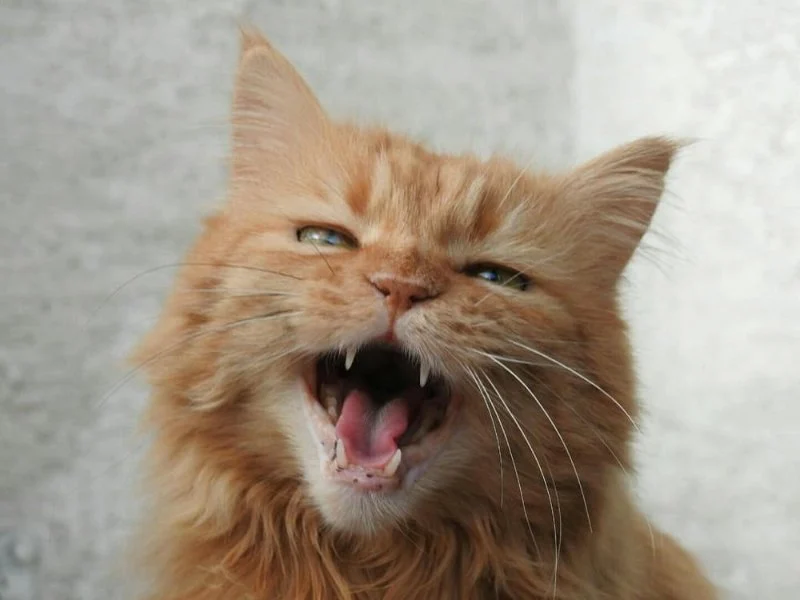
If you’ve ever brought home a young kitten, you’ve probably noticed one thing immediately—their voice sounds nothing like an adult cat. Instead of deep, confident meows, you get soft, high-pitched squeaks that almost sound like tiny toys or birds. This leads many new cat owners to ask the same question: why is my kitten's meow so squeaky?
The answer lies in both biology and communication development. Kittens are still learning how to interact with the world, and their vocal cords are not fully matured. Just like human babies have higher-pitched voices, kittens naturally produce softer, more delicate sounds.
A first-time pet owner in Chicago once described her kitten as sounding like a “tiny squeaky door hinge every time it wanted attention.” While amusing, this is completely normal behavior and part of healthy feline development.

How Kitten Vocalization Develops Over Time
1. Early Life Communication Instincts
From birth, kittens rely heavily on vocal sounds to communicate with their mother. These early sounds are instinctive, designed to signal hunger, discomfort, or need for warmth. Because newborn kittens are physically fragile, their voices are naturally soft and high-pitched.
This stage is the foundation of kitten vocalization meaning, and it gradually evolves as they grow and interact more with humans and their environment.

2. Transition to Social Communication
As kittens begin exploring their surroundings, their meows become more varied. They start using sound intentionally—not just for survival but for social interaction. This is when owners begin noticing different tones depending on emotion or need.
A kitten may produce a squeaky meow when greeting its owner, while using a slightly louder tone when hungry or seeking attention.
3. Maturation of Vocal Cords
Over time, typically between 4–6 months, a kitten’s vocal cords strengthen. This leads to a gradual deepening of the voice. However, many cats retain soft, squeaky tones into adulthood, especially smaller breeds.
Why Kittens Have Such High-Pitched Meows
Physical Development Factors
The most direct reason for a kitten’s squeaky meow is simple anatomy. Their vocal cords are short, thin, and underdeveloped. This naturally produces higher frequencies compared to adult cats.
Just like a child’s voice changes during puberty, kittens go through a similar developmental shift that affects tone and pitch.
Emotional Expression and Dependency
Kittens are highly dependent on their caregivers. Their squeaky vocalization is designed to trigger nurturing responses from humans and other animals. This is an evolutionary trait that increases survival chances.
When a kitten is hungry, scared, or lonely, the high-pitched sound becomes a powerful communication tool.
Breed and Personality Differences
Not all kittens sound the same. Some breeds naturally have softer voices, while others are more vocal. Personality also plays a role—confident kittens may use louder meows earlier, while shy ones remain quiet and squeaky longer.
What Different Squeaky Meows Actually Mean
Attention-Seeking Behavior
One of the most common reasons for squeaky meows is simple attention-seeking. Kittens quickly learn that humans respond to their sounds, so they use vocalizations to request playtime, food, or affection.
Hunger and Basic Needs
A persistent squeaky meow near feeding times usually indicates hunger. Unlike adult cats, kittens have higher metabolic needs and may vocalize more frequently to signal food requirements.
Comfort and Security Requests
When separated from their caregiver or placed in a new environment, kittens often produce soft squeaks as a form of reassurance-seeking behavior. This is especially common in newly adopted kittens adjusting to a new home.
When a Squeaky Meow Might Indicate a Problem
Unusual Weakness or Loss of Sound
If a kitten’s voice suddenly becomes weaker or strained, it may indicate respiratory issues or throat irritation. While squeaky voices are normal, sudden changes should be monitored closely.
Excessive Crying Without Cause
If squeaky meowing becomes constant and is paired with signs of distress, such as lethargy or appetite loss, it may signal discomfort or illness. In such cases, veterinary consultation is recommended.
Environmental Stress Factors
Kittens are highly sensitive to their surroundings. Loud noises, new pets, or changes in routine can increase vocal behavior temporarily.
Real-Life Example: The Shelter Kitten That Wouldn’t Stop “Talking”
A volunteer at a New York animal shelter once shared a story about a tiny tabby kitten who constantly produced squeaky meows whenever anyone walked by. At first, staff worried something was wrong. After medical checks, they discovered the kitten was perfectly healthy—it was simply extremely social.
Within a few weeks of adoption, the kitten’s squeaky communication became a charming trait rather than a concern. Its new owner described it as “having a tiny roommate who always wants to chat.”
This example shows that vocal behavior is often more about personality than health issues.
How to Respond to Your Kitten’s Squeaky Meows
Building Communication Understanding
Learning your kitten’s specific sounds helps strengthen your bond. Over time, owners can often distinguish between “I’m hungry,” “I want attention,” and “I’m exploring” based on tone alone.
Encouraging Healthy Independence
While responding to vocal cues is important, it’s also beneficial to encourage independence. Overreacting to every squeak may reinforce excessive vocal behavior.
Providing a Stable Environment
A calm, predictable environment reduces unnecessary stress-related vocalization. Consistent feeding schedules, safe resting areas, and interactive play help balance communication habits.
Supporting Your Kitten’s Healthy Development
Understanding why your kitten's meow is so squeaky is part of becoming a responsible pet owner. It reflects normal growth, emotional expression, and early communication learning.
Platforms like Omnia Pet offer guidance, products, and resources designed to support kitten health and behavior development. From nutrition to enrichment toys, proper care helps ensure your kitten grows into a healthy and well-adjusted adult cat.
Observing vocal patterns over time not only helps identify potential health issues early but also deepens the emotional connection between you and your pet.
 Pure Paws Veterinary Care of Clinton Hill4.0 (525 reviews)
 Wendell Veterinary Clinic4.0 (516 reviews)
 Copperfish Aquatics0.0 (0 reviews)
 Sycamore Creek Animal Hospital4.0 (366 reviews)
 Reptiles for sale from Reptiles.com0.0 (0 reviews)
 Vetco Vaccination Clinic4.0 (38 reviews)
 How to Tell if Your Cat is Left-Pawed or Right-Pawed
 How to Litter Train a Pet Rabbit Successfully – Tips and Techniques
 Best Ways to Prevent and Treat Fleas and Ticks on Your Pet Naturally
 The Science of a Kitten's Immune System Development
 How to Help a Kitten with a Swollen Paw
 How to Cook Thanksgiving Dinner for Your Dog