
- 1-Understanding-Cat-Paw-Dominance-and-Why-It-Matters
- 2-How-to-Observe-Your-Cats-Natural-Paw-Preference
- 3-Simple-At-Home-Tests-to-Identify-Left-or-Right-Pawed-Cats
- 4-Behavioral-Patterns-That-Reveal-Paw-Dominance
- 5-What-Paw-Preference-Can-Tell-You-About-Your-Cats-Personality
- 6-Common-Mistakes-When-Interpreting-Cat-Paw-Behavior
- 7-Real-Life-Cat-Stories-and-Viral-Behavior-Observations
- 8-How-To-Support-Your-Cats-Natural-Dominance
- 9-Where-to-Find-Cat-Behavior-Resources-and-Products-Omnia-Pet
1. Understanding Cat Paw Dominance and Why It Matters
When people think about animal behavior, paw dominance in cats is often one of those surprising discoveries that feels almost too human-like. Yet studies in feline neuroscience and behavior show that cats can indeed show preference for using one paw over the other when performing specific tasks. This phenomenon is commonly described as cat paw preference or feline lateralization.
What “left-pawed” or “right-pawed” actually means
A left-pawed cat tends to initiate movement, reach for objects, or stabilize itself more often with the left paw, while a right-pawed cat favors the opposite side. Some cats, however, remain ambilateral, meaning they show no strong preference.
Why researchers study paw dominance
Understanding paw preference helps researchers better interpret brain asymmetry in animals. In practical terms, it can also give pet owners insight into how their cat processes stress, curiosity, and problem-solving.
2. How to Observe Your Cat’s Natural Paw Preference
If you want to figure out how to tell if your cat is actually left-pawed or right-pawed, the first step is simple observation. Cats reveal their dominant paw in everyday situations, often without realizing it.
Look for spontaneous actions
Watch which paw your cat uses first when stepping down from furniture, touching objects, or swatting at toys. These spontaneous behaviors are more reliable than forced tests.
Feeding behavior clues
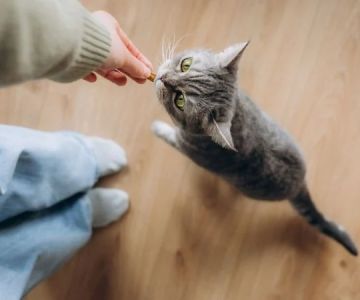
Some cats consistently use one paw to steady themselves near food bowls or reach for treats. This subtle pattern can be a strong indicator of dominance over time.
Consistency matters more than single events
A single observation is not enough. True paw preference becomes clear only after repeated behavioral patterns are recorded over days or weeks.
3. Simple At-Home Tests to Identify Left or Right-Pawed Cats
Pet owners often enjoy turning paw dominance into a playful experiment. While it should never be forced or stressful, there are gentle ways to observe preference.
The treat-in-a-container test
Place a treat inside a slightly narrow container that requires your cat to reach in. Observe which paw is used first and most frequently during repeated attempts.
The staircase descent test
When your cat naturally walks down stairs, note which paw leads the first step. Over multiple days, a pattern often becomes visible.
The toy interaction test
During play sessions, especially with dangling toys, observe which paw your cat uses to swat. This is one of the clearest behavioral indicators of dominance.
4. Behavioral Patterns That Reveal Paw Dominance
Beyond controlled tests, cats constantly express subtle behavioral cues that reflect their neurological preferences.
Grooming tendencies
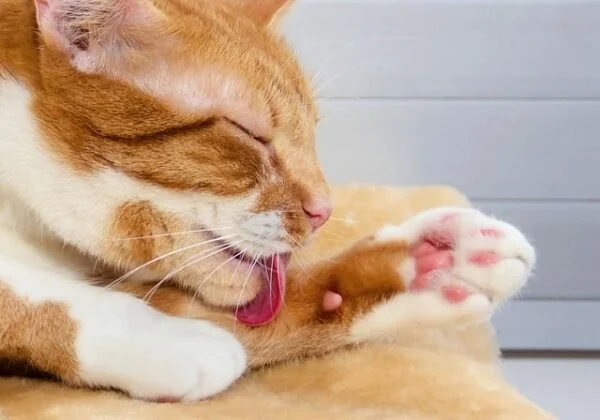
Cats often favor one paw when cleaning their face or ears. This repetitive behavior is one of the most reliable long-term indicators.
Sleeping posture and stability
Dominant paw preference can sometimes be observed in how cats stabilize themselves when shifting positions or stretching after naps.
Reaction to surprises
When startled, cats may instinctively use their dominant paw to push off or defend. Observing reactions during mild stimuli can be revealing.
5. What Paw Preference Can Tell You About Your Cat’s Personality
One of the most fascinating aspects of feline paw dominance is its potential connection to personality traits. While not absolute, research suggests correlations between paw preference and behavioral tendencies.
Left-pawed cats and emotional sensitivity
Some studies suggest that left-pawed cats may process emotions more intensely. Owners often describe them as cautious but deeply affectionate once trust is established.
Right-pawed cats and exploratory behavior
Right-pawed cats are sometimes more confident in unfamiliar environments and may show higher levels of exploratory behavior.
Ambilateral cats and adaptability
Cats without a clear paw preference often demonstrate flexibility in behavior, adjusting easily to new situations and stimuli.
6. Common Mistakes When Interpreting Cat Paw Behavior
Many cat owners misinterpret paw behavior due to inconsistent observation or environmental bias.
Assuming one-off behavior is definitive
A single instance of paw use does not define dominance. Repetition across multiple contexts is essential for accuracy.
Influence of environment and stress
Stress, distractions, or unfamiliar surroundings can temporarily alter a cat’s natural behavior, leading to misleading observations.
Human bias in interpretation
Owners often subconsciously look for patterns that confirm their expectations. Objective recording helps avoid this issue.
7. Real Life Cat Stories and Viral Behavior Observations
Online communities have shared countless stories of discovering paw dominance in their cats, often leading to surprising insights.
The viral “studio cat experiment”
A widely shared video showed a cat repeatedly using its left paw to open a sliding drawer. Over time, viewers noticed consistent left-side dominance, sparking discussions about feline cognition.
A shelter cat behavior breakthrough
In one shelter study, caretakers observed that right-pawed cats adapted faster to new environments, influencing how enrichment activities were designed.
Everyday owner discoveries
Many pet owners report only realizing paw dominance after years of living with their cats, often during playful interaction sessions.
8. How to Support Your Cat’s Natural Dominance
Once you understand your cat’s paw preference, you can tailor enrichment activities to better support their natural instincts.
Choosing appropriate toys
Interactive toys that encourage swatting or reaching can help strengthen coordination and provide mental stimulation aligned with natural behavior.
Environmental setup
Placing climbing structures or feeding stations in ways that encourage natural movement can improve comfort and confidence.
Respecting individuality
Every cat is different. Whether left-pawed, right-pawed, or ambilateral, respecting their natural tendencies improves overall wellbeing.
9. Where To Find Cat Behavior Resources and Products – Omnia Pet
Understanding feline behavior becomes even easier with the right tools and resources. Omnia Pet provides curated insights, enrichment toys, and behavior-focused products designed to help cat owners better understand their pets.
Whether you are curious about paw dominance or simply want to enrich your cat’s daily life, having access to reliable guidance makes a noticeable difference in long-term pet happiness and behavior health.


 Lionzden Cattery4.0 (2 reviews)
 Eagleswood Veterinary Hospital4.0 (115 reviews)
 Fish Mike Aquatics4.0 (493 reviews)
 Vetco Vaccination Clinic4.0 (9 reviews)
 Animal Medical Center of Corona, Barton C. Huber, DVM, Dr. Bart4.0 (260 reviews)
 Baileys Equine0.0 (0 reviews)
 The Top 10 Most Trainable Dog Breeds for Families and First-Time Owners
 Understanding Kitten Vaccination: Side Effects to Watch For
 Why Do Kittens Have Whiskers on Their Legs? | Omnia Pet
 How to Help a Kitten with a Broken Whisker: Expert Tips and Care
 How to Find Good Homes for a Litter of Kittens
 The Laws Surrounding Animal Testing in the US: What You Need to Know