
- kitten-nail-trimming-basics-understanding-claws - why kittens need regular claw care
- preparing-kitten-for-grooming-session - building trust before trimming starts
- step-by-step-claw-trimming-method - safe technique to avoid scratches
- handling-resistant-or-nervous-kittens - calming strategies and real examples
- post-trim-care-and-routine-building - maintaining long-term grooming habits
Why Learning How to Trim a Kitten’s Claws Matters More Than Most New Owners Expect
Bringing a kitten into your home often comes with playful chaos—climbing curtains, scratching furniture, and those tiny but surprisingly sharp claws that seem to find skin no matter how careful you are. Learning how to trim a kitten’s claws is not just about protecting your sofa; it is also about keeping your kitten safe and comfortable.
Kitten claw care plays an important role in early grooming habits. If introduced properly, nail trimming becomes a stress-free routine that strengthens trust between you and your pet rather than a struggle filled with scratching and escape attempts.
Many first-time owners assume scratching is purely behavioral, but in reality, it is a natural and necessary function for kittens. The goal is not to stop scratching completely but to manage claw length safely.

Understanding Kitten Claws Before You Start Trimming
How Claws Develop in Young Cats
Kittens have very thin, sharp claws that grow quickly and naturally shed outer layers. These claws are used for balance, play, and early hunting instincts. Because they are not yet worn down through outdoor activity, indoor kittens especially need regular trimming.
Without proper kitten nail trimming, claws can become overly sharp, increasing the chance of accidental scratches during play or handling.

Why Timing and Routine Matter
Starting early is key. Kittens introduced to grooming between 8–12 weeks old are significantly more likely to tolerate claw care throughout life. Waiting too long can lead to resistance and fear-based reactions.
Consistency also helps. A short trimming session every 2–3 weeks is usually enough to keep claws manageable without discomfort.
Preparing Your Kitten for a Stress-Free Grooming Session
Building Trust Before You Even Touch the Claws
Before attempting to trim anything, it is important to let your kitten become comfortable with being handled. Gently touching their paws during calm moments helps reduce sensitivity over time.
A helpful real-life example comes from a foster kitten named “Sunny,” who initially panicked at any paw contact. After a week of daily gentle paw massages paired with treats, Sunny gradually accepted handling, making later trimming sessions much easier.
Setting Up a Calm Environment
Choose a quiet, well-lit space without distractions. Avoid loud noises, sudden movements, or areas where the kitten feels trapped. Having a towel nearby can help gently wrap a wriggly kitten if needed for safety.
Many owners underestimate environmental influence, but calm surroundings significantly reduce scratching incidents during grooming.
Step-by-Step Guide: How to Trim a Kitten’s Claws Without Getting Scratched
Positioning the Kitten Safely
Place the kitten on your lap or a soft surface. If they are restless, gently hold them against your body so they feel secure. The key is control without force.
Supporting the kitten’s body reduces sudden movements that often lead to scratches.
Extending the Claw Properly
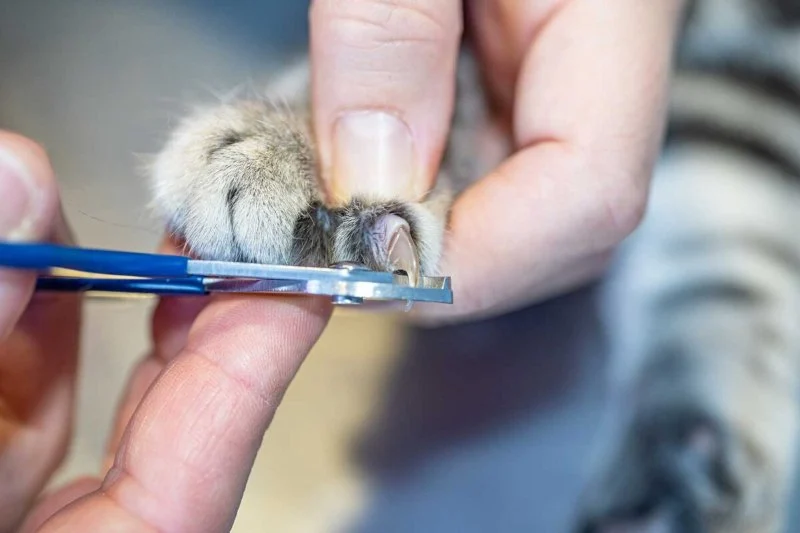
Gently press the top and bottom of a paw pad to extend the claw. This reveals the clear tip and helps you identify the “quick,” the sensitive pink area inside the claw that must be avoided.
Only trim the sharp, transparent tip. Cutting too close to the quick can cause pain and make future grooming more difficult.
Using the Right Tools
Small, sharp pet nail clippers or scissor-style trimmers designed for cats are ideal. Human nail clippers are not recommended because they can crush instead of cut cleanly.
Having styptic powder nearby is also useful in case of accidental minor bleeding, though careful trimming should prevent this.
Trimming in Small Sessions
Instead of trying to trim all claws at once, work in short bursts. Trim one or two claws, pause, and reward the kitten. This reduces stress and prevents resistance.
This approach is especially helpful for energetic kittens who cannot sit still for long periods.
Handling Nervous or Resistant Kittens
Recognizing Stress Signals Early
Some kittens will show clear signs of discomfort, such as tail flicking, ear flattening, or sudden squirming. Recognizing these signals early helps prevent scratches and allows you to pause before tension escalates.
Forcing the process usually leads to negative associations, making future attempts more difficult.
Positive Reinforcement Techniques
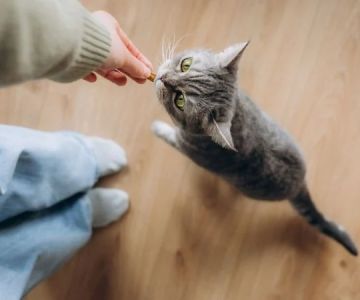
Treat-based rewards and calm verbal reassurance can help build positive associations with kitten grooming tips like claw trimming. Over time, kittens begin to expect something pleasant after each session.
One cat owner shared that her rescue kitten initially resisted every grooming attempt. After pairing each session with a favorite treat and gentle playtime afterward, the kitten began voluntarily approaching during grooming time.
Common Mistakes to Avoid During Kitten Nail Trimming
Trimming Too Much at Once
Cutting too deep into the claw is one of the most common mistakes. It causes pain and can create long-term fear of grooming. Always stay on the transparent tip only.
Skipping Regular Maintenance
Waiting too long between trims leads to overly sharp claws, which increases scratching risk and makes trimming more difficult later.
Ignoring Behavioral Preparation
Many owners focus only on technique but forget that emotional preparation is just as important. A calm, trusting kitten is far easier to handle than a stressed one.
Building a Long-Term Grooming Routine
Creating a Predictable Schedule
Consistency is the foundation of successful cat claw care. Setting a regular schedule helps normalize the process for both the kitten and the owner.
Over time, kittens begin to recognize grooming as part of their routine rather than a stressful interruption.
Integrating Grooming Into Daily Life
Light paw handling during cuddle time, occasional nail checks, and short practice sessions help maintain familiarity. This reduces resistance when actual trimming is needed.
Products and grooming tools available through Omnia Pet can support this routine by providing safe, kitten-friendly grooming essentials designed for stress-free care.
Why Gentle Technique Always Wins in Kitten Grooming
The most effective approach to how to trim kitten claws is not speed or force, but patience and consistency. Every kitten responds differently, and learning their comfort level is part of responsible pet ownership.
With time, even the most sensitive kittens can learn to tolerate—and sometimes even relax during—claw trimming sessions. The goal is not perfection in a single attempt but building lifelong trust and safe grooming habits.




 C.F. Exotics5.0 (8 reviews)
 Petco4.0 (1044 reviews)
 Seaport Veterinary Center4.0 (195 reviews)
 Bond Vet - Back Bay4.0 (51 reviews)
 County Line Veterinary Hospital4.0 (128 reviews)
 PetVet Vaccination Clinic0.0 (0 reviews)
 How to Recognize Normal vs Aggressive Kitten Play Fighting
 Signs of Bloat in Dogs (GDV): This is a Life-Threatening Emergency
 Best Holiday Gifts for Dog and Cat Lovers | Gift Ideas for Pet Owners
 How to Tell if Your Kitten is a Boy or Girl Accurately
 The Dangers of Outdoor Cats: Risks and How to Mitigate Them
 How to Introduce a New Dog to a Resident Cat - Tips for a Smooth Transition