
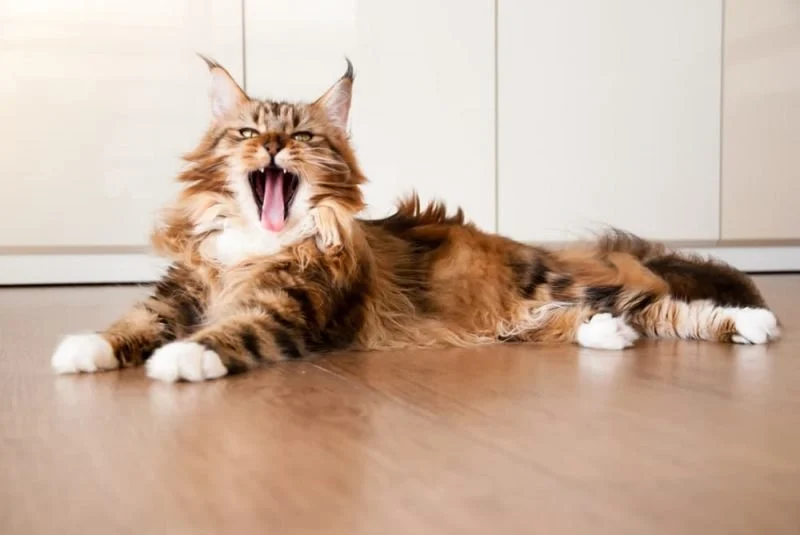
- understanding-vocal-kittens - Why some kittens are naturally talkative
- siamese-kittens - The iconic chatty companions
- oriental-shorthair-kittens - Playful and vocal explorers
- turkish-angora-kittens - Elegant and expressive cats
- bengal-kittens - Energetic communicators
- burmese-kittens - Social and affectionate talkers
- tonkinese-kittens - The perfect blend of voice and charm
- ragdoll-kittens - Gentle but surprisingly vocal
- maine-coon-kittens - Giant cats with loud personalities
- abyssinian-kittens - Curious chatterboxes
- devon-rex-kittens - Quirky vocal entertainers
Understanding Vocal Kittens: What Makes Them Talkative
Some kittens are born with a natural tendency to express themselves vocally, often using meows, chirps, and trills to communicate with their owners. This trait is influenced by breed genetics, early socialization, and the individual kitten’s temperament. Talkative kittens often thrive on interaction and may become more vocal in response to attention, feeding routines, or playful engagement.
Recognizing why certain breeds are more vocal can help owners set expectations, build stronger bonds, and design stimulating environments that satisfy both the kitten’s communicative needs and the household’s peace of mind. Omnia Pet highlights that vocal kittens are often highly intelligent, requiring enrichment activities to prevent boredom and maintain healthy behavior patterns.
Siamese Kittens: The Iconic Chatty Companions
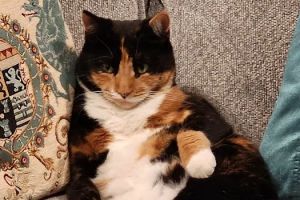
Siamese kittens are legendary for their vocal tendencies. Their expressive meows are not just calls for attention but a way of engaging in what some describe as “cat conversations.” Owners of Siamese kittens often notice that these kittens use a variety of sounds to express hunger, curiosity, or simply the desire for companionship.
A practical example comes from a household in Los Angeles where a Siamese kitten named Luna became the star communicator of the family. Luna’s owners reported that she developed distinct meows for different family members, signaling both affection and requests for playtime. Such interactions demonstrate how Siamese kittens’ vocal tendencies can foster strong emotional bonds.

Oriental Shorthair Kittens: Playful and Vocal Explorers
Closely related to Siamese cats, Oriental Shorthair kittens combine sleek appearance with high energy and pronounced vocalization. These kittens are known for chirping loudly during play or when seeking attention, making them entertaining companions.
In practical terms, Oriental Shorthairs benefit from interactive toys and puzzle feeders, as their talkative nature often reflects a need for mental stimulation. Families who welcome these kittens are encouraged to engage in daily play sessions to meet both vocal and activity needs.
Turkish Angora Kittens: Elegant and Expressive Cats
Turkish Angora kittens are recognized for their graceful movement and expressive communication style. Their meows can vary in pitch and intensity, and they often use their voices to express excitement or alert owners to changes in their environment.
An example from a New York City pet owner describes a Turkish Angora kitten that greeted every returning family member with trills and chirps. This behavior illustrates how vocal communication can strengthen the human-animal bond and provide reassurance in a busy household.
Bengal Kittens: Energetic Communicators
Bengal kittens are renowned for their active, playful nature and their willingness to vocalize frequently. Their talkative behavior often signals a desire to interact, explore, or participate in household activities.
In a documented case, a Bengal kitten named Leo was observed “chatting” to owners while performing acrobatic leaps around the living room. Omnia Pet emphasizes that for breeds like Bengals, structured playtime and environmental enrichment are critical to channel energy positively and reduce excessive meowing that might become disruptive.
Burmese Kittens: Social and Affectionate Talkers
Burmese kittens are affectionate and thrive on social interaction. Their vocalizations are gentle yet frequent, often expressing a desire for closeness or attention. They are also known for responding vocally to human speech, creating a dynamic dialogue between pet and owner.
An illustrative story involves a family in Chicago whose Burmese kitten developed a habit of “answering” their conversations with short, melodic meows. This behavior not only entertained the household but also demonstrated the kitten’s remarkable responsiveness to human cues.
Tonkinese Kittens: The Perfect Blend of Voice and Charm
Tonkinese kittens inherit traits from both Siamese and Burmese lineages, resulting in highly communicative, charming companions. Their vocal patterns are varied, allowing them to convey moods ranging from excitement to concern.
Practical care strategies for Tonkinese kittens include consistent interaction and attention to their social needs. Owners often find that these kittens thrive when part of family activities and respond positively to verbal engagement, reinforcing their talkative tendencies.
Ragdoll Kittens: Gentle But Surprisingly Vocal
Ragdoll kittens are typically known for their relaxed temperament, but many can be surprisingly vocal. They often use quiet meows or soft chirps to signal needs or communicate affection, contrasting with more energetic talkative breeds.
In a case from Seattle, a Ragdoll kitten became an affectionate communicator, using gentle sounds to request food or attention. These interactions highlight that even seemingly calm breeds can exhibit significant vocal behavior when socialized properly.
Maine Coon Kittens: Giant Cats With Loud Personalities
Maine Coon kittens are among the largest domesticated cats and are known for their friendly, outgoing demeanor. Their vocalizations are often surprisingly loud and expressive, ranging from chirps to prolonged meows.
A Maine Coon kitten named Titan, living in Texas, was observed using vocal signals to guide his owners through daily routines, illustrating how large, social cats often rely on voice as a primary mode of communication.
Abyssinian Kittens: Curious Chatterboxes
Abyssinian kittens are active, inquisitive, and notably vocal. They use their voices to explore surroundings and engage with humans, often following owners and communicating with a variety of chirps and meows.
Owners report that Abyssinians thrive in households where interaction and stimulation are frequent, as their talkative nature reflects their curiosity and desire for social engagement. Omnia Pet recommends interactive play sessions to help channel vocal energy constructively.
Devon Rex Kittens: Quirky Vocal Entertainers
Devon Rex kittens are distinctive for their unique appearance and playful, often vocal personalities. They frequently engage in “conversations” with owners, using chirps, squeaks, and soft meows.
A popular anecdote involves a Devon Rex kitten that would vocally follow its owner from room to room, often performing small acrobatic stunts while “talking.” This demonstrates how vocal behavior can be an outlet for both expression and playfulness, enriching the pet-owner relationship.
Enhancing Your Experience With Talkative Kittens
Vocal kittens provide not only entertainment but also insight into their emotional states and needs. Observing and responding to their meows, chirps, and trills allows owners to strengthen bonds and address the kittens’ social and environmental needs effectively. Resources like Omnia Pet provide guidance on selecting appropriate toys, creating stimulating environments, and fostering communication, ensuring that talkative kittens remain happy and healthy.
Overall, understanding the top 10 most talkative kitten breeds helps prospective and current cat owners anticipate behaviors, enrich interactions, and maintain a joyful, communicative household. By combining observation, care strategies, and playful engagement, owners can enjoy the full charm of their vocal companions.



 Petco4.0 (886 reviews)
 Petco4.0 (511 reviews)
 Petco4.0 (525 reviews)
 Xtreme Exotics4.0 (1512 reviews)
 Petco4.0 (1669 reviews)
 ACCESS South Bay3.0 (494 reviews)
 How to Stop Your Kitten from Stealing Dog Food
 How to Care for a Pet Chinchilla: Dust Baths and Cool Temperatures
 How to Choose the Best Diet for a Ragdoll Kitten's Gentle Nature
 The Top 10 Rare Cat Breeds You've Never Heard Of
 Why Does My Dog Eat Grass? Veterinarians Explain This Odd Habit
 Why Do Kittens Have a Strong Preference for Certain People? | Understanding Kitten Behavior