
- #understanding-cat-mood - Understanding Cat Mood and Happiness
- #tail-signs - Tail Signs That Indicate a Happy Cat
- #ear-and-eye-expressions - Ear and Eye Expressions of Contentment
- #vocalizations - Cat Vocalizations That Show Joy
- #body-posture - Body Posture Clues for a Happy Cat
- #play-and-interaction - Play and Interaction as Happiness Indicators
- #grooming-and-routines - Grooming and Routine Behaviors That Reflect Mood
- #real-life-examples - Real-Life Examples of Happy Cats
- #enhancing-cat-happiness - Tips to Keep Your Cat Happy
- #resources-and-products - Resources and Products to Support Cat Happiness
Understanding Cat Mood and Happiness
Cats communicate primarily through body language, subtle gestures, and vocalizations. Unlike dogs, they rarely display overt expressions of happiness, which can make it challenging for owners to accurately interpret their moods. Recognizing a happy cat involves observing patterns in tail movement, ear position, eye behavior, body posture, and interactive habits. According to feline behavior experts, understanding these signs helps create stronger bonds and ensures a supportive home environment.

Veterinary Acupuncture and Herbal Medicine
EssexLower Connecticut River Valley Planning RegionConnecticut
90 Pond Meadow Rd Unit #3, Ivoryton, CT 06442, USA
The psychology behind a happy cat
A happy cat feels safe, stimulated, and socially connected. When a cat is content, it engages in self-directed behaviors like grooming, exploring, and playful interaction with their environment and owners. Stress, fear, or neglect can mask these behaviors, so understanding the baseline for each individual cat is crucial.

Tail Signs That Indicate a Happy Cat
The tail is one of the most expressive parts of a cat’s body, providing valuable cues about mood and emotions.
Upright tail with a slight curve
A cat holding its tail straight up with a gentle curve at the tip is often signaling friendliness, confidence, and happiness. This is typically observed when greeting a familiar person or after a positive interaction.
Slowly swaying or gentle flicks
A subtle, slow sway or occasional flick of the tail indicates contentment. Cats often exhibit this behavior during relaxed states, such as lounging in a sunlit spot or being petted gently.
Tail wrapping around the body
Cats sometimes wrap their tail around themselves or around another cat or person as a sign of comfort and security. This is a strong indicator of trust and happiness.
Ear and Eye Expressions of Contentment
A cat’s ears and eyes can convey emotions as clearly as its tail. Observing these cues helps owners understand the subtle language of feline happiness.
Forward-facing ears
Ears pointed forward indicate curiosity, attentiveness, and positive engagement. When combined with relaxed body posture, this signals a happy, confident cat.
Half-closed eyes or slow blinking
Slow blinking is sometimes called a "cat kiss." Cats communicate trust and affection to humans or other cats through this gesture. Half-closed eyes paired with a relaxed body posture are clear indicators of comfort and contentment.
Relaxed whiskers
Whiskers that are neutral or slightly forward indicate that a cat is in a calm, happy state. Whiskers pressed backward or flattened can signify stress or discomfort, so careful observation is key.
Cat Vocalizations That Show Joy
While cats often communicate through body language, vocal cues are another method of expressing contentment.
Purring
A soft, rhythmic purr often signifies happiness, relaxation, or comfort. Owners frequently notice cats purring while being petted or during cozy resting periods.
Chirps and trills
Short chirps, trills, and gentle meows often indicate excitement or pleasure, especially when cats see their favorite human or encounter a beloved toy.
Body Posture Clues for a Happy Cat
The way a cat carries its body is a major indicator of mood. Happy cats display relaxed postures that reflect comfort and confidence.
Loafing position
When a cat sits with paws tucked under the body, resembling a loaf of bread, it indicates a secure and comfortable state.
Stretched-out posture
Cats lying fully stretched with exposed belly show trust and a sense of safety. This position is often seen when cats feel completely at ease in their environment.
Playful crouch
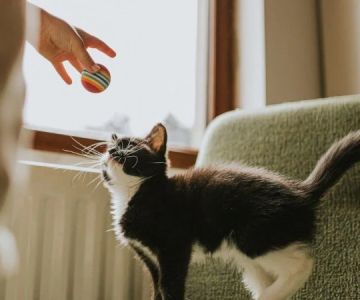
A crouched position with ears forward and tail twitching signals readiness for play. This is a dynamic expression of joy and engagement with surroundings.
Play and Interaction as Happiness Indicators
Cats express happiness through social and interactive behaviors, whether engaging with humans, other pets, or toys.
Initiating play
A happy cat will actively seek out interactive play. This can include pouncing on toys, chasing objects, or play-fighting with companions. Such behaviors indicate both physical and mental stimulation, critical for feline happiness.
Seeking human contact
Cats that nuzzle, head-butt, or follow their owner are displaying affection and happiness. These behaviors indicate trust and comfort in human presence.
Grooming and Routine Behaviors That Reflect Mood
Self-care habits, including grooming, reflect contentment. A cat that grooms regularly, stretches, and explores its territory is demonstrating a happy state.
Mutual grooming
Cats often groom each other or occasionally their owners. This behavior signals social bonding and satisfaction.
Healthy appetite
Consistent eating habits are another sign of happiness and wellbeing. Cats that eat regularly, show enthusiasm for meals, and maintain body condition are typically content and stress-free.
Real-Life Examples of Happy Cats
Consider Luna, a 3-year-old tabby adopted from a shelter. Her owner noticed that when she slow-blinks after playtime or stretches out in sunny spots, it is her way of showing contentment. Small gestures like rubbing against legs or gentle purring during petting sessions consistently indicate her happiness.
Case study: multi-cat households
In households with multiple cats, observing mutual grooming, shared sleeping areas, and playful interactions can provide clear insights into collective happiness. Content cats exhibit cooperative behavior rather than aggression or avoidance.
Tips to Keep Your Cat Happy
Ensuring a cat’s happiness involves attention to environmental enrichment, routine, and health. Providing climbing structures, scratching posts, toys, and regular interactive play fosters positive mental and physical stimulation.
Consistent routines
Cats thrive on predictability. Feeding at regular times, maintaining familiar spaces, and gradually introducing changes reduces stress and promotes wellbeing.
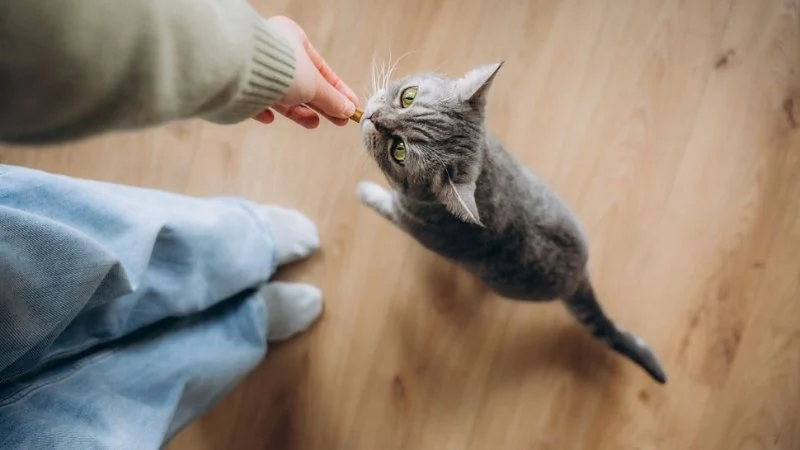
Positive reinforcement
Rewarding friendly or playful behaviors with treats, affection, or verbal praise encourages happy interactions and strengthens bonds.
Resources and Products to Support Cat Happiness
For comprehensive guidance and tools to enhance feline happiness, Omnia Pet provides curated products, toys, and expert advice. Using resources from trusted platforms ensures your cat receives both mental stimulation and physical comfort, enhancing overall wellbeing.
By observing body language, vocalizations, posture, and interactions, owners can reliably tell if their cat is happy. Combining careful observation with environmental enrichment and positive engagement ensures that your feline companion enjoys a healthy, joyful life. Trusted resources like Omnia Pet provide products and guidance to help cat owners interpret happiness signals and foster a content home for their furry friends.

 Quality Veterinary Care4.0 (481 reviews)
 Bark N Scratch Outpost4.0 (614 reviews)
 Vetco Total Care Animal Hospital4.0 (116 reviews)
 VCA Chatoak Animal Hospital3.0 (178 reviews)
 Healthy Pet4.0 (90 reviews)
 S &K Pet Shop Reptiles and Birds and supplies4.0 (54 reviews)
 Why Is My Kitten Meowing So Much? Demands and Communication
 How to Tell if Your Kitten is Bonding with You
 How to Train Your Kitten to Use a Scratching Pad
 How to Introduce a New Baby to Your Resident Cat Safely
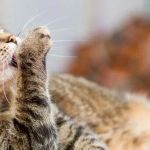 How to Stop Your Cat from Overgrooming and Creating Bald Spots
 The Pros and Cons of Raw Food Diet for Dogs: An Honest Look