
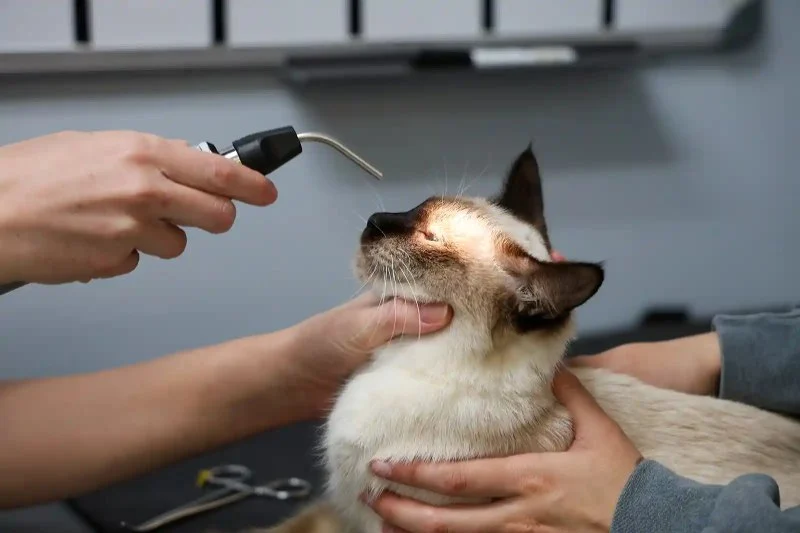
What is FIP in Cats?
Feline Infectious Peritonitis (FIP) is a complex and often fatal disease that affects cats, primarily caused by a mutation of the feline coronavirus. While the virus itself is common and usually harmless, in certain circumstances, it mutates and leads to the development of FIP, which can present in a dry or wet form. The dry form of FIP causes localized inflammation, while the wet form involves fluid buildup in body cavities, which can quickly overwhelm a cat's organs.
Exotic Life Fish & Reptiles
Los AngelesLos Angeles CountyCalifornia
10122 Topanga Canyon Blvd, Chatsworth, CA 91311, USA
Recognizing the Symptoms of FIP
The symptoms of FIP in cats can vary widely depending on the form of the disease and the organs affected. Common signs include fever, lethargy, weight loss, poor appetite, and in the wet form, fluid buildup in the abdomen or chest, leading to difficulty breathing. In some cases, cats may also exhibit neurological signs such as seizures, behavioral changes, or difficulty walking.

Recent Advances in FIP Treatments
In the past, FIP was considered almost universally fatal, with no effective treatments. However, recent advancements in veterinary medicine have given cat owners hope. The development of antiviral drugs, such as GS-441524, has shown promising results in clinical trials. This drug, a derivative of Remdesivir, has been used successfully in treating both dry and wet forms of FIP. While not yet FDA-approved, it has been prescribed off-label by many veterinarians, leading to remarkable recoveries in affected cats.
Other Promising Treatments
In addition to GS-441524, other treatments, including immune modulators and anti-inflammatory drugs, are being investigated to help manage the symptoms and reduce the severity of FIP. While not all treatments are universally effective, the improvements in FIP therapy have sparked a new wave of optimism in the veterinary community.
Hope for FIP in Cats: What’s Next?
While FIP remains a challenging disease to combat, the future looks brighter due to continuous research and the development of new treatments. Ongoing studies are focused on understanding the disease better and finding even more effective therapies. Some experts believe that a breakthrough treatment could be just around the corner, potentially transforming FIP from a death sentence to a manageable condition for cats worldwide.
Real-Life FIP Case Studies
Real-life cases of cats diagnosed with FIP are increasingly showing positive results with new treatments. For instance, one story that stands out is that of a kitten named Bella, who was diagnosed with the wet form of FIP. After being treated with GS-441524, Bella made a full recovery and is now living a healthy, happy life. Stories like these are becoming more common, and they give hope to cat owners everywhere.
Another inspiring case involves a senior cat named Max, who had been suffering from the dry form of FIP for several months. His owner, desperate after traditional treatments failed, sought out a vet who prescribed GS-441524. Max showed remarkable improvement within weeks, and today he is back to his usual playful self.
These cases highlight not only the effectiveness of modern treatments but also the importance of early diagnosis and intervention in fighting FIP.

 Islip Animal Hospital4.0 (205 reviews)
 TDBBS3.0 (27 reviews)
 Hollywood Feed4.0 (192 reviews)
 43rd Avenue Animal Hospital4.0 (424 reviews)
 FetchIQ0.0 (0 reviews)
 Howls and Meows Barkery5.0 (58 reviews)
 The Benefits of Adopting a Senior Pet vs. a Puppy or Kitten – Why Older Pets Make Great Companions
 Why Does My Kitten Have a Bald Spot? Common Causes and Treatment Options
 The Best Weaning Foods for Kittens Transitioning from Milk
 The Best Dog Breeds for Seniors and Retirees Looking for Companionship
 How to Help a Kitten with a Cold Sore
 How to Keep Your Cat's Litter Box from Smelling