
- -why-kittens-learn-fetch - Understanding natural play instincts and motivation
- -preparing-the-right-toys-and-environment - Setting up a safe and engaging training space
- -step-by-step-fetch-training-method - Practical training process using positive reinforcement
- -common-mistakes-and-how-to-fix-them - Avoiding frustration during kitten training
- -real-cat-owner-fetch-success-story - A relatable example of successful training
- -expert-insights-on-feline-learning - Professional advice on kitten behavior and learning
Why Some Kittens Naturally Learn to Fetch
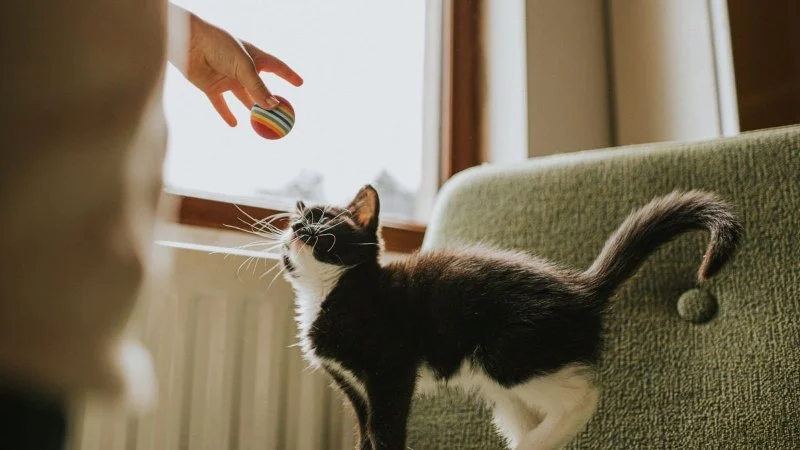
Teaching a kitten to fetch is not just a fun trick—it actually connects deeply with their natural hunting instincts. Many people searching for ways to teach kitten to fetch are surprised to learn that some kittens already display retrieving behaviors without formal training.
Kittens are naturally curious and playful. When they chase moving objects like balls or feather toys, they are mimicking hunting behavior. The difference between casual play and structured fetching is simply consistency and reinforcement. With the right approach, almost any kitten can learn basic kitten fetch training habits.
Understanding this instinct is key because it shifts training from “forcing behavior” to guiding natural curiosity. That mindset makes the entire process more enjoyable for both the kitten and the owner.

Preparing the Right Toys and Training Environment
Before starting any kitten training tips routine, preparation is essential. A calm, controlled environment helps kittens focus and reduces distractions that could interrupt learning.

1. Choosing the Right Toy for Fetch
Lightweight toys such as small plush mice, soft balls, or crinkle toys work best. The toy should be easy for a kitten to carry in its mouth but not so small that it becomes a choking hazard.
2. Creating a Safe Indoor Space
Choose a room with minimal clutter. Remove fragile items and ensure there are no sharp corners or hazards. A controlled environment helps reinforce positive behavior during early kitten play training sessions.
3. Timing Training Sessions
Kittens learn best when they are naturally energetic but not overstimulated. Short sessions of 5–10 minutes work far better than long, exhausting training attempts.
Step-by-Step Method to Teach Your Kitten to Fetch
Learning how to train a kitten to fetch requires patience, repetition, and positive reinforcement. The process should feel like play, not structured obedience training.
Step 1: Build Interest in the Toy
Start by gently moving the toy in front of your kitten to trigger curiosity. Dragging it across the floor often stimulates their chase instinct.
Step 2: Encourage the Chase
Throw the toy a short distance. When the kitten runs after it, reward the movement with verbal praise or gentle encouragement. This reinforces engagement.
Step 3: Introduce the Return Concept
This is the most challenging part of cat fetch behavior training. When your kitten picks up the toy, call them back using a calm and consistent voice tone.
Step 4: Reward Every Small Success
Even if your kitten only brings the toy halfway back, reward the effort. Positive reinforcement strengthens learning more effectively than correction.
Step 5: Repeat and Build Consistency
Repetition is essential. Over time, your kitten will begin to associate the act of returning the toy with attention, praise, and play continuation.
Common Mistakes When Teaching Fetch and How to Fix Them
Many owners struggle with frustration when their kittens do not immediately respond. However, most issues stem from incorrect expectations rather than the kitten’s ability to learn.
1. Training for Too Long
Kittens have short attention spans. Long sessions often lead to disinterest. Keeping training brief ensures better engagement.
2. Using the Wrong Toy
If a toy is too heavy or uninteresting, the kitten may lose motivation. Experimenting with different textures and shapes often solves this issue.
3. Lack of Consistency
Inconsistent commands or reward timing can confuse kittens. Consistency is critical in all positive reinforcement cat training methods.
Real Story: A Kitten That Learned Fetch in Two Weeks
A pet owner in Texas shared how her kitten, initially uninterested in toys, began showing progress after consistent short training sessions. She started by rolling a small soft ball across the floor every evening after work.
At first, the kitten only chased the toy. By the end of the first week, it began picking up the ball and carrying it a few steps. By the second week, the kitten would reliably bring the toy back to its owner, expecting praise and play continuation.
This story highlights that even shy or less playful kittens can learn fetch when training is consistent and enjoyable.
Expert Insights on How Kittens Learn Through Play
Veterinarians and feline behavior experts emphasize that play-based learning is one of the most effective ways to teach kittens new behaviors. Unlike adult cats, kittens are in a critical development phase where curiosity is at its peak.
Learning Through Association
Kittens quickly associate actions with outcomes. If fetching leads to praise or treats, the behavior is more likely to be repeated.
Importance of Positive Energy
Kittens are highly sensitive to tone and energy. Calm encouragement is far more effective than loud commands or frustration.
Play as Mental Stimulation
Structured play like fetch helps reduce boredom-related behaviors such as scratching furniture or excessive meowing.
Building a Long-Term Play Routine With Your Kitten
Once your kitten learns the basics of fetching, the next step is incorporating it into daily interaction. This strengthens your bond while maintaining mental and physical stimulation.
Daily Short Play Sessions
Two or three short sessions per day help reinforce behavior without overwhelming the kitten.
Mixing Different Toys
Rotating toys keeps the game interesting and prevents boredom. This also improves adaptability in play behavior.
Gradually Increasing Difficulty
As your kitten improves, you can increase throwing distance or introduce new environments for fetching practice.
Where Pet Owners Are Finding Better Training Resources
Many cat owners today look for structured guidance rather than trial-and-error methods. Platforms like Omnia Pet offer helpful insights into kitten behavior, toy recommendations, and training strategies designed for real-life pet owners.
Why Teaching Fetch Strengthens Your Bond With Your Kitten
Training a kitten to fetch is not just about teaching a trick—it builds communication, trust, and emotional connection. Through consistent play, kittens learn to interact with humans in a more meaningful and responsive way.
Over time, what begins as simple play evolves into a shared routine that benefits both the kitten’s development and the owner’s companionship experience.





 Paws Up USA5.0 (4 reviews)
 Bermuda Aquatics Exotic Fish & Ponds4.0 (73 reviews)
 Dermatology for Animals - Long Island5.0 (8 reviews)
 West Riverside Veterinary Hospital4.0 (104 reviews)
 Jeffrey B. Bell, MS, VMD4.0 (16 reviews)
 Norwich Regional Animal Hospital4.0 (170 reviews)
 Understanding Kitten Vaccination: Side Effects to Watch For
 How to Clean Your Cat's Litter Box Thoroughly
 The Top 10 Most Common Kitten Behavioral Issues
 Understanding Kitten Food Allergies: Symptoms and Solutions
 Safe and Unsafe Chew Toys for Dogs: What to Buy and Avoid
 How to Stop Your Kitten from Chewing on Paper