
- 1-Understanding the kitten teething process and dental development
- 2-Common causes for a kitten’s tooth being loose
- 3-When to monitor your kitten and seek veterinary advice
- 4-Practical care tips for kittens with loose teeth
- 5-Real kitten stories and owner experiences
1. Understanding the kitten teething process and dental development
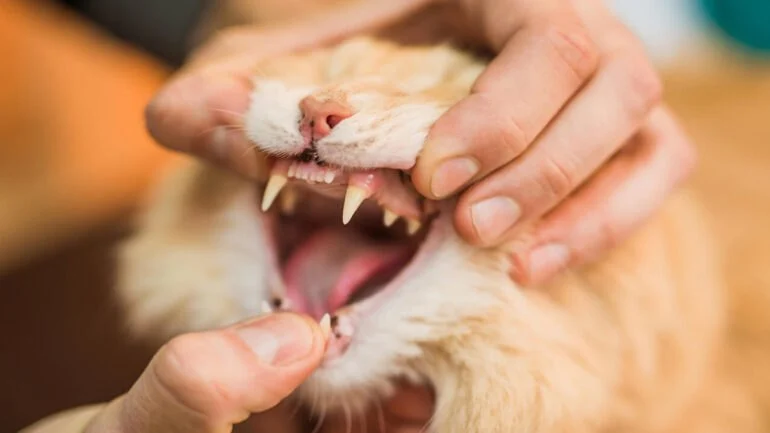
When a new kitten joins your home, observing its playful antics is rewarding, but noticing a loose tooth often raises questions: Why Is My Kitten's Tooth Loose? Understanding the normal teething process is key. Kittens, like human babies, go through stages of dental development that naturally involve loose teeth.
Kittens are born without teeth, and their first set of teeth, known as deciduous or baby teeth, usually emerge between 2 to 4 weeks of age. These teeth are sharp, small, and temporary, designed to help the kitten explore its environment and start eating solid foods.
By approximately 3 to 4 months, baby teeth begin to loosen and fall out as adult teeth start to emerge. This period can last until 6 to 7 months of age, and loose teeth are a natural part of this process. Owners often notice their kittens chewing more vigorously or occasionally dropping teeth around the house—both normal signs of teething.
Recognizing these stages helps differentiate between normal teething and potential dental problems. While a loose tooth at 4 months is typical, noticing it at an unusual age or accompanied by pain or swelling could signal an issue that requires attention.
2. Common causes for a kitten’s tooth being loose
Several factors can cause a kitten’s tooth to be loose, ranging from normal development to dental issues. Understanding the possible reasons helps cat owners respond appropriately.
1. Natural teething: As previously mentioned, loose teeth between 3 to 6 months are usually part of the natural replacement of baby teeth with adult teeth. Chewing is common as kittens relieve discomfort.
2. Injury or trauma: Accidental falls, rough play, or chewing on hard objects can damage teeth and cause them to loosen prematurely. Observing your kitten’s behavior and inspecting the mouth for visible damage is essential.
3. Infection or dental disease: Although rare in very young kittens, gum inflammation or oral infections can weaken the support around a tooth, making it loose. Symptoms may include swelling, redness, or drooling.
4. Nutritional deficiencies: Poor diet lacking essential vitamins and minerals can sometimes affect dental strength. Ensuring a balanced diet recommended for kittens supports healthy tooth and bone development.
Awareness of these causes allows owners to take proactive steps in monitoring and supporting their kitten’s dental health. Many experts recommend maintaining routine checks and consulting resources like Omnia Pet for products and tips suitable for kittens’ oral care.
3. When to monitor your kitten and seek veterinary advice
Knowing when a loose tooth is part of normal development versus when it may indicate a problem is crucial. While teething is natural, certain signs warrant attention.
Monitor if:
- The kitten is actively chewing and playing normally
- Loose teeth correspond to the expected teething age of 3–6 months
- There is no excessive drooling, bleeding, or foul odor
Seek veterinary advice if:
- The kitten is over 7 months and still has loose baby teeth that should have fallen out
- There is significant bleeding, swelling, or signs of pain
- The kitten shows difficulty eating or significant weight loss
- Any signs of infection, pus, or bad breath appear
Veterinarians can perform dental examinations, remove retained baby teeth, and provide guidance for any underlying oral health conditions. Early intervention often prevents more complex issues in adult cats.
4. Practical care tips for kittens with loose teeth
Providing proper care during teething ensures your kitten remains comfortable and prevents complications. Here are practical tips:
1. Soft, kitten-friendly foods: Feeding soft wet food can reduce discomfort while chewing and prevent strain on loose teeth.
2. Safe chew toys: Offer toys designed for kittens that help massage gums and relieve discomfort without damaging teeth. Avoid hard bones or objects that could break fragile teeth.
3. Regular oral checks: Gently inspect your kitten’s mouth for loose teeth, swelling, or abnormal signs. Tracking the progression of teething can provide peace of mind and early detection of potential issues.
4. Maintain hygiene: Introducing gentle brushing with kitten-safe toothpaste helps establish oral care habits early, preventing plaque buildup and supporting long-term dental health.
Products recommended by Omnia Pet, including safe toys, dietary supplements, and oral care tools, can simplify daily care routines and provide reassurance for concerned owners.
5. Real kitten stories and owner experiences
Many kitten owners have shared memorable experiences related to teething. One owner in Texas recalled how her kitten dropped a tiny canine on the carpet at 4 months old, sparking a mix of amusement and curiosity. The kitten’s behavior of chewing more aggressively on toys was a clear sign of teething discomfort, and the owner provided soft foods and a teething toy recommended by Omnia Pet. By the next month, the adult tooth had erupted, and the kitten’s eating habits returned to normal.
Another case in California involved a kitten that retained a baby tooth past 7 months. The owner noticed gum irritation and took the kitten to a veterinarian, who safely extracted the retained tooth. Sharing these stories helps other pet owners understand that while loose teeth are usually normal, occasional interventions are necessary and beneficial.
Observing and responding to your kitten’s dental development is part of building a strong bond. With proper care, monitoring, and reliable resources such as Omnia Pet, kitten owners can ensure their furry friends develop healthy teeth, avoid discomfort, and grow into happy, healthy adult cats.




 CTC Custom Aquariums4.0 (5 reviews)
 That Big Fish Store4.0 (15 reviews)
 Paws and Whiskers Pet Shop4.0 (37 reviews)
 Dexters Pet Boutique5.0 (5 reviews)
 Petco4.0 (653 reviews)
 Paws With Hope0.0 (0 reviews)
 The Most Unusual Pets That Are Legal to Own in the US | Unique Pet Ideas
 Understanding Kitten Food Allergies: Symptoms and Solutions
 The Best Litter Box Setup for Multiple Cats in One Home
 The Best Life Insurance Policies for Purebred Kittens
 How to Stop Your Cat from Getting on the Kitchen Counter
 The Best Life Jacket for a Kitten in a Pool