
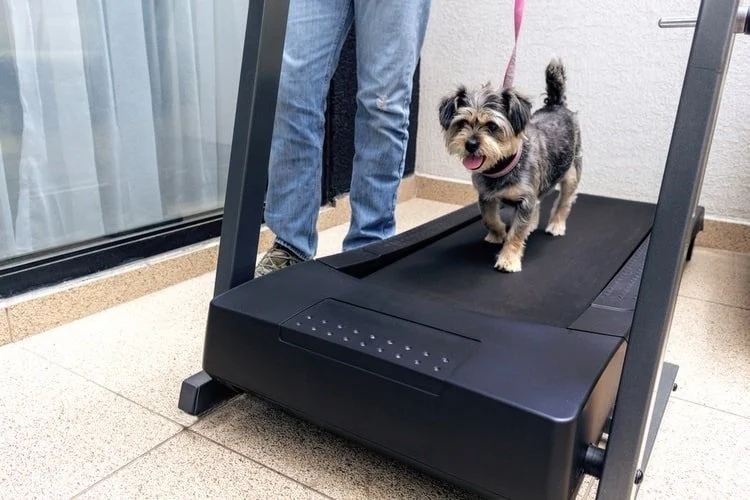
- Why More Dog Owners Are Using Treadmills
- Understanding Which Dogs Benefit Most
- Important Safety Rules Before Starting
- How to Introduce Your Dog to a Treadmill
- Step by Step Dog Treadmill Training Process
- Common Mistakes That Cause Training Failure
- Building Confidence for Anxious Dogs
- Creating an Effective Exercise Routine
- Real Dog Owner Success Stories
- How Weather and Busy Schedules Change Dog Exercise
- Signs Your Dog Is Overexercising
- Choosing the Right Equipment for Safe Training
Why More Dog Owners Are Using Treadmills
Dog treadmills were once considered unusual, but they have become increasingly common among American pet owners. Busy schedules, extreme weather conditions, apartment living, and growing awareness about canine fitness have all contributed to the rise of treadmill training for dogs.
For many owners, maintaining consistent exercise routines has become challenging. Long work hours, summer heat waves, freezing winters, and crowded urban environments can make daily walks difficult. As a result, indoor exercise alternatives have gained popularity, especially for energetic breeds that require frequent physical activity.
Learning how to train your dog to use a treadmill for exercise is not simply about convenience. Proper treadmill training can support weight management, improve mental stimulation, increase endurance, and help active dogs release built-up energy safely.
Professional trainers and veterinarians have also begun recommending treadmill conditioning for certain situations, including rehabilitation support, controlled exercise programs, and supplemental activity during poor weather conditions.

River Valley Pets
Granite FallsCaldwell CountyNorth Carolina
40 Park Square, Granite Falls, NC 28630, USA
Why Indoor Exercise Is Becoming More Important
Modern dog ownership has changed significantly in recent years.
Bark Avenue Animal Hospital
3109 E McKellips Rd Suite 102, Mesa, AZ 85213, USA
1. Urban Living Spaces
Many dog owners now live in apartments or densely populated cities with limited outdoor exercise areas.
2. Climate Challenges
Extreme heat and icy sidewalks can make outdoor activity dangerous.
3. Remote Work Schedules
While more people work from home, balancing meetings and long walks throughout the day is not always realistic.
4. Increased Focus on Pet Wellness
Owners today are far more aware of canine obesity and exercise-related health concerns.
Understanding Which Dogs Benefit Most
Not every dog needs treadmill training, but many can benefit from it when introduced properly.
High-Energy Breeds Often Thrive
Some breeds naturally require large amounts of daily movement.
Examples Include:
1. Border Collies
2. Huskies
3. Belgian Malinois
4. Labrador Retrievers
5. Australian Shepherds
6. German Shorthaired Pointers
Without enough activity, these breeds may develop destructive behaviors caused by boredom and excess energy.
Dogs Living in Limited Spaces
Apartment dogs often have fewer opportunities for long outdoor runs.
Treadmills Help Maintain Consistency
Even short indoor exercise sessions can supplement outdoor walks effectively.
Dogs Recovering From Certain Conditions
Some veterinarians recommend controlled treadmill walking during rehabilitation programs.
Professional Supervision Matters
Medical exercise programs should always follow veterinary guidance.
Senior Dogs May Also Benefit
Older dogs sometimes require low-impact controlled movement instead of intense outdoor exercise.
Gentle Walking Supports Mobility
Slow treadmill sessions can help maintain muscle tone and joint flexibility.
Important Safety Rules Before Starting
Safety should always come before training goals. One of the biggest mistakes owners make is introducing dogs to treadmills too quickly.
Never Force a Dog Onto the Machine
Dogs that become frightened during early exposure may develop lasting anxiety toward treadmill use.
Trust Is Essential
The dog should willingly approach the treadmill before any movement begins.
Always Supervise Sessions
A dog should never use a treadmill unattended.
Why Supervision Matters
Unexpected slips, distractions, or panic responses can happen suddenly.
Use Proper Speed Settings
Most dogs should begin at extremely slow walking speeds.
Faster Is Not Better
Confidence and comfort matter far more than intensity during early training.
Choose the Correct Treadmill Size
A treadmill that is too small may create unsafe movement patterns.
Key Sizing Considerations
Dogs should have enough room to walk naturally without shortening their stride.
Avoid Retractable Leashes
Loose or retractable leashes can become dangerous around moving equipment.
Safer Alternative
Use a standard leash attached to a comfortable harness.
How to Introduce Your Dog to a Treadmill
The introduction phase often determines whether treadmill training becomes successful long-term.
Start With the Treadmill Turned Off
Allow the dog to explore the machine naturally.
Positive Reinforcement Works Best
Use treats, praise, and calm encouragement when the dog approaches voluntarily.
Let the Dog Hear the Sound First
Many dogs initially react more to the noise than the movement.
Desensitization Is Important
Turn the treadmill on briefly while the dog remains nearby but not on the machine.
Practice Standing Calmly
Before walking begins, help the dog feel comfortable standing on the stationary treadmill.
Build Familiarity Slowly
Rushing this stage often increases anxiety.
Use Rewards Strategically
Small treats and verbal praise help create positive associations.
Timing Matters
Reward calm behavior immediately to reinforce confidence.
Step by Step Dog Treadmill Training Process
Once the dog feels comfortable around the treadmill, gradual movement training can begin.
Step 1: Begin at the Lowest Speed
Most dogs should start at a very slow walking pace.
Early Sessions Should Be Short
One to three minutes may be enough during the first few sessions.
Step 2: Walk Beside the Dog
Owners should stay close and provide reassurance.
Physical Presence Reduces Anxiety
Dogs often feel safer when owners remain nearby during training.
Step 3: Encourage Natural Walking
Avoid pulling the dog forward with the leash.
Movement Should Feel Voluntary
The dog needs time to understand the rhythm of the moving surface.
Step 4: Increase Duration Gradually
Once confidence improves, extend sessions slowly.
Safe Progression Strategy
Add only a few minutes per week during early conditioning.
Step 5: Observe Body Language Carefully
Dogs communicate discomfort through posture and behavior.
Warning Signs Include:
1. Excessive panting
2. Refusing to continue
3. Flattened ears
4. Jumping off repeatedly
5. Tail tucked tightly
Step 6: End Sessions Positively
Always finish training before the dog becomes exhausted or frustrated.
Positive Endings Build Confidence
Dogs are more likely to cooperate during future sessions when experiences remain positive.
Common Mistakes That Cause Training Failure
Many treadmill training problems occur because owners move too quickly.
Using Speeds That Are Too Fast
Fast treadmill speeds can frighten dogs and create unsafe movement patterns.
Why Slow Conditioning Matters
Dogs need time to develop coordination and confidence.
Starting With Long Sessions
Overly long sessions increase mental and physical stress.
Short Sessions Are More Effective
Consistency matters more than intensity during early training.
Ignoring Stress Signals
Some owners mistake anxiety for stubbornness.
Fear Should Never Be Punished
Negative reinforcement often worsens treadmill resistance.
Using the Treadmill as a Full Walk Replacement
Dogs still need outdoor experiences for mental enrichment and social stimulation.
Balance Is Important
Treadmills should supplement outdoor activity whenever possible.
Building Confidence for Anxious Dogs
Some dogs adapt quickly while others need several weeks to become comfortable.
Patience Changes Everything
Anxious dogs often improve when owners slow the process dramatically.
Confidence Takes Repetition
Small successful sessions build trust over time.
Use Familiar Rewards
High-value treats and favorite toys help anxious dogs relax.
Create Positive Associations
The treadmill area should feel rewarding rather than stressful.
Keep the Environment Calm
Loud noises and distractions can overwhelm nervous dogs.
Choose Quiet Training Times
Calm surroundings improve focus and confidence.
Celebrate Small Progress
Even standing calmly on the treadmill can be a meaningful achievement during early stages.
Many dog owners researching indoor exercise solutions and safe training equipment often explore recommendations through Omnia Pet to compare treadmills, harnesses, and fitness accessories designed for different breeds and activity levels.
Creating an Effective Exercise Routine
Once a dog becomes comfortable using the treadmill, consistency becomes more important than intensity.
Tailor Exercise to Breed and Age
Different dogs require very different activity levels.
Young High-Energy Dogs
May benefit from longer conditioning sessions.
Senior Dogs
Usually need shorter, lower-impact walks.
Mix Indoor and Outdoor Activity
Treadmills should complement rather than completely replace outdoor experiences.
Why Outdoor Stimulation Still Matters
Dogs benefit mentally from smells, social interaction, and environmental exploration.
Track Progress Gradually
Conditioning improvements happen over time.
Signs of Healthy Improvement
1. Better endurance
2. Healthier weight management
3. Improved calmness indoors
4. Reduced destructive behavior
Include Mental Stimulation Too
Physical exercise alone does not fully satisfy most intelligent breeds.
Combine Exercise With Training Games
Obedience practice and puzzle toys help create balanced stimulation.
Real Dog Owner Success Stories
One reason dog treadmill training has become more popular is because owners increasingly share positive transformations online.
The Husky Apartment Story
A Husky owner living in downtown Chicago described struggling with winter exercise during heavy snowstorms. Her dog became restless and destructive indoors after several days of reduced outdoor activity.
The Turning Point
After gradually introducing treadmill sessions, the dog developed a reliable indoor exercise routine that helped maintain calm behavior during severe weather periods.
The Weight Loss Journey
A Labrador Retriever in Texas gained weight after surgery limited outdoor activity for several months.
Controlled Exercise Helped Recovery
With veterinary guidance, slow treadmill walking became part of a structured rehabilitation and weight management plan.
The Reactive Dog Success Story
Some dogs struggle with outdoor distractions, traffic, or anxiety around other animals.
Indoor Conditioning Reduced Stress
One owner explained that treadmill training allowed her reactive rescue dog to burn energy safely while behavioral training continued separately.
How Weather and Busy Schedules Change Dog Exercise
Modern lifestyles have significantly changed the way many Americans exercise their dogs.
Extreme Summer Heat
Hot pavement and dangerous temperatures create serious risks for dogs during summer months.
Heatstroke Risks Are Real
Indoor exercise options become especially valuable during heat advisories.
Winter Ice and Snow
Cold weather conditions can limit safe outdoor activity.
Shorter Daylight Hours Also Matter
Many owners return home after dark during winter months.
Busy Professional Schedules
Balancing work responsibilities with active dog breeds can become difficult.
Structured Indoor Routines Help Consistency
Even moderate treadmill sessions can supplement missed outdoor activity days.
Urban Living Challenges
Apartment dwellers often lack fenced yards or large open exercise spaces.
Indoor Fitness Solutions Continue Growing
As urban pet ownership rises, canine exercise equipment demand has increased significantly.
Signs Your Dog Is Overexercising
Too much exercise can be just as problematic as too little.
Physical Warning Signs
1. Excessive Panting
2. Limping
3. Stiffness After Sessions
4. Reluctance to Continue
5. Heavy Fatigue
Behavioral Signs
1. Increased Irritability
2. Avoiding the Treadmill
3. Anxiety During Sessions
4. Reduced Enthusiasm
Why Recovery Matters
Dogs need proper rest and hydration between exercise sessions.
Conditioning Should Build Gradually
Safe fitness improvement happens through consistency rather than exhaustion.
Choosing the Right Equipment for Safe Training
Not all treadmills are equally suitable for dogs.
Look for Quiet Motors
Loud machines can increase anxiety for sensitive dogs.
Prioritize Stable Surfaces
Dogs need secure footing to feel confident.
Choose Adjustable Speed Controls
Gradual speed changes help maintain safe pacing.
Consider Dedicated Dog Treadmills
Some treadmills are specifically designed for canine movement patterns.
Features Often Include:
1. Longer running surfaces
2. Side safety rails
3. Quieter operation
4. Lower profile entry points
Harness Selection Matters
A secure, comfortable harness provides better control than a neck collar.
Avoid Restrictive Gear
Dogs should move naturally without breathing restriction.
Many pet owners beginning treadmill conditioning explore exercise equipment, training accessories, and canine wellness products through Omnia Pet to find solutions tailored to different breeds, home environments, and activity goals.
Learning how to train your dog to use a treadmill for exercise requires patience, consistency, and careful attention to the dog’s comfort level. When introduced properly, treadmill training can become a valuable supplement to outdoor activity, especially during difficult weather, busy schedules, or rehabilitation periods.
The most successful treadmill routines are built on trust, gradual progress, and positive reinforcement. Rather than replacing outdoor adventures entirely, indoor treadmill exercise can help dogs maintain healthy energy levels, physical conditioning, and emotional balance throughout the year.






 VIP Petcare Vaccination Clinic0.0 (0 reviews)
 Waggles Fort Myers4.0 (63 reviews)
 Animal Care Services3.0 (108 reviews)
 Sea Otter Fish3.0 (69 reviews)
 Harbor Animal Hospital4.0 (475 reviews)
 Emerald Animal Hospital4.0 (69 reviews)
 The Best Pet Camera with a Treat Dispenser for Kittens – Top Picks for Pet Parents
 Why Is My Kitten's Poop Green? Diet and Health
 The Best Automatic Feeders and Water Fountains for Cats – Ultimate Guide
 How to Tell if Your Kitten is a Boy or Girl Accurately
 The Best Diet for a Birman Kitten's Blue Eyes: A Complete Guide
 How to Teach Your Dog Basic Obedience Commands (Sit, Stay, Come)