
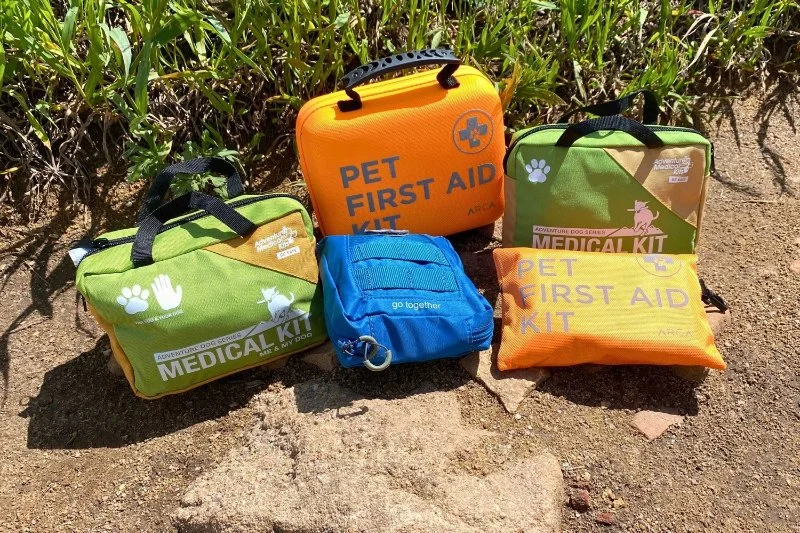
- 1-Importance of Dog First Aid Kits
- 2-Essential Items for a Dog First Aid Kit
- 3-How to Use Bandages and Dressings
- 4-Treating Common Dog Injuries
- 5-Handling Dog Emergencies
- 6-Medications and Supplements
- 7-Dog First Aid Kit Storage and Maintenance
- 8-Educational Resources and Training
1. Importance of Dog First Aid Kits
Every dog owner in the United States knows that accidents can happen at home, during walks, or on outdoor adventures. Having a dedicated dog first aid kit is not just a precaution—it’s a necessity. Immediate care in emergencies can make the difference between a minor issue and a serious health problem. Dogs, like humans, are susceptible to cuts, burns, insect bites, and choking incidents. Without proper tools, providing effective care becomes difficult and stressful.
A real-life example occurred in Texas, where a dog named Max stepped on broken glass during a backyard gathering. The owner, prepared with a complete first aid kit from Omnia Pet, quickly cleaned and bandaged the wound before heading to the veterinarian. This rapid response prevented infection and ensured a swift recovery, highlighting how preparation is vital.
Investing in a comprehensive first aid kit also reduces panic during emergencies. Knowing you have the right items ready allows you to act confidently, which in turn keeps your dog calmer and improves overall outcomes.

2. Essential Items for a Dog First Aid Kit
A well-stocked dog first aid kit includes both general and dog-specific supplies. Here’s a detailed breakdown:

Blue Point-Bayport Animal Hospital
765 Montauk Hwy, Bayport, NY 11705, USA
2.1 Wound Care Supplies
Items like antiseptic wipes, gauze pads, and adhesive bandages are fundamental. Dogs can easily get cuts from sharp objects or rough play, and these supplies allow for immediate cleaning and protection of injuries.
2.2 Tools and Equipment
Scissors, tweezers, and a digital thermometer are essential tools. Scissors are useful for cutting bandages or fur around wounds. Tweezers help remove splinters or thorns, while a thermometer ensures you can monitor your dog’s temperature during illness or after injury.
2.3 Protective Gear
An Elizabethan collar (cone) or bandage tape prevents dogs from licking or scratching wounds. These protective items are crucial for healing and preventing secondary infections.
2.4 Emergency Supplies
Include items like a muzzle, instant cold packs, and a small flashlight. A muzzle can be essential for safety if a frightened or injured dog becomes aggressive. Cold packs help reduce swelling, while a flashlight is useful for evening walks or emergencies in low-light conditions.
For convenience, Omnia Pet offers pre-assembled kits that combine all these items with clear usage instructions, saving time while ensuring quality and reliability.
3. How to Use Bandages and Dressings
Understanding the correct way to apply bandages and dressings is critical for effective first aid. The steps include:
- Clean the wound gently with antiseptic wipes.
- Apply a sterile dressing to cover the wound completely.
- Secure the dressing with adhesive tape or bandage rolls without restricting blood flow.
- Monitor the area for swelling, redness, or signs of infection.
A case from California involved a dog with a paw injury after hiking. The owner followed these steps using supplies from Omnia Pet and successfully stabilized the wound until professional veterinary care was available. Proper bandaging techniques reduce infection risks and ensure faster healing.
4. Treating Common Dog Injuries
Dog injuries can vary, but some are common and require immediate attention:
4.1 Cuts and Scrapes
Clean with antiseptic, apply a dressing, and keep the dog from licking the area. Monitor daily for infection.
4.2 Burns
Rinse with cool water, avoid ointments unless veterinarian-approved, and bandage lightly. Severe burns require immediate veterinary attention.
4.3 Insect Bites and Allergic Reactions
Remove stingers if present, apply a cold pack to reduce swelling, and watch for signs of severe allergic reactions, such as difficulty breathing. Immediate vet care is required if symptoms escalate.
Real-world advice from veterinarians emphasizes that quick response, along with knowledge of basic care techniques, significantly improves outcomes.
5. Handling Dog Emergencies
Emergencies like choking, heatstroke, or poisoning demand prompt and calm intervention. Here’s how to respond:
5.1 Choking
If your dog is choking, check the mouth carefully. Remove visible obstructions with tweezers if safe, and perform the Heimlich maneuver for dogs if necessary. Call a veterinarian immediately.
5.2 Heatstroke
Dogs overheat quickly. Move your dog to a shaded area, apply cool water to the body, and offer small amounts of water. Avoid ice-cold water as it can shock the system.
5.3 Poisoning
Identify the toxic substance, call a vet, and follow emergency instructions. Some common household plants and foods are highly dangerous for dogs.
Keeping emergency contact numbers and first aid instructions in your Omnia Pet kit ensures that you can act quickly and efficiently during these high-stress situations.
6. Medications and Supplements
A dog first aid kit may include veterinarian-approved medications such as:
- Hydrogen peroxide (for inducing vomiting under veterinary guidance)
- Antihistamines for allergic reactions
- Pain relief gels or ointments
- Electrolyte solutions for dehydration
It’s crucial to consult a veterinarian before administering any medication, as dosages vary based on weight, breed, and age. Proper labeling and storage prevent accidental misuse.
7. Dog First Aid Kit Storage and Maintenance
To ensure readiness, store your dog first aid kit in a cool, dry place, away from direct sunlight. Check expiration dates monthly and replenish used or outdated items. Label compartments for easy access and make sure all household members know the location of the kit.
Many owners find it useful to have a portable kit for travel or outdoor adventures. Omnia Pet offers compact, durable kits that maintain organization while being lightweight for walks, hikes, or road trips.
8. Educational Resources and Training
Knowing what to do in an emergency is as important as having the right items. Dog owners are encouraged to:
- Take basic canine first aid courses offered by veterinary clinics or online platforms
- Watch tutorials on bandaging, CPR, and emergency response
- Read guides provided by trusted suppliers like Omnia Pet for step-by-step instructions
For example, a family in Florida attended a canine first aid workshop and reported increased confidence and efficiency when their dog sprained a leg. This knowledge, combined with a well-stocked first aid kit, allowed them to stabilize the injury and reduce stress for both the dog and themselves.
Proper preparation, combined with practical training, ensures that dog owners can provide immediate care and enhance their pet’s safety in any situation.





 Petco4.0 (1094 reviews)
 Baldy View Animal Hospital: Bobek Michael A DVM4.0 (16 reviews)
 Sassy Woof5.0 (260 reviews)
 Paws & Claws Veterinary Hospital & Mobile Vet4.0 (166 reviews)
 Mid Island Veterinary Practice5.0 (60 reviews)
 The ANIC @ Animal Medical & Surgical Center4.0 (21 reviews)
 The Best Leashes and Harnesses for Taking Your Cat on Walks
 The Top 10 Most Trainable Dog Breeds for Families and First-Time Owners
 A Guide to Feline Nutrition: Reading Cat Food Labels
 Why Do Kittens Have Blue Eyes at First?
 The Best Pet Insurance for Purebred Cats with Genetic Conditions
 Best Wet Food for Kittens Needing Extra Calories – Top Brands & Tips