

- 1-Understanding-Your-Cats-Temperament-#cats-temperament
- 2-Preparing-A-Safe-Space-#safe-space-preparation
- 3-Gradual-Scent-Introduction-#scent-introduction
- 4-Controlled-Visual-Introduction-#visual-introduction
- 5-Short-Supervised-Meetings-#supervised-meetings
- 6-Positive-Reinforcement-Techniques-#positive-reinforcement
- 7-Monitoring-Body-Language-#monitoring-body-language
- 8-Providing-Separate-Resources-#separate-resources
- 9-Patience-and-Timing-#patience-timing
- 10-Real-Life-Kitten-Integration-Stories-#kitten-integration-stories
1. Understanding Your Cat’s Temperament
Before introducing a new kitten, it is crucial to understand your older cat's personality and stress triggers. Cats vary in sociability, tolerance, and territorial behavior. Some older cats enjoy social interaction, while others are more reserved. Observing your cat’s body language—such as tail movements, ear positioning, and vocalizations—helps predict how they might respond to a newcomer. Tailoring the introduction plan based on your cat’s temperament significantly reduces stress and enhances the chances of a smooth transition.

2. Preparing a Safe Space
Creating a secure, separate space for the new kitten is essential. Equip the area with a litter box, feeding station, toys, and bedding to help the kitten feel comfortable. This allows the older cat to maintain their territory while the kitten gradually acclimates. A confined area also provides a controlled environment where initial interactions can occur safely. Using a cozy, confined setup reduces the likelihood of territorial disputes and allows both cats to adjust at their own pace.

Birdhouse/Doghouse
Los AngelesLos Angeles CountyCalifornia
5742 Lankershim Blvd, North Hollywood, CA 91601, USA
3. Gradual Scent Introduction
Scent plays a critical role in cat communication. Start by swapping bedding between the kitten and older cat so each can become familiar with the other’s scent. You can also gently rub a soft cloth on one cat and leave it near the other’s resting area. This gradual introduction reduces the likelihood of fear or aggression when the cats finally meet face-to-face. It allows them to develop a sense of familiarity without direct confrontation, which is a crucial step in stress-free introductions.
4. Controlled Visual Introduction
Once they are comfortable with each other’s scent, allow visual introductions through a barrier such as a baby gate or a cracked door. This lets the cats see each other without immediate physical contact. Observe their reactions closely and intervene if signs of stress appear. Controlled visual exposure helps the older cat adapt and reduces the chance of defensive behavior. Gradually increasing the time of these sessions helps build confidence and curiosity instead of fear.
5. Short Supervised Meetings
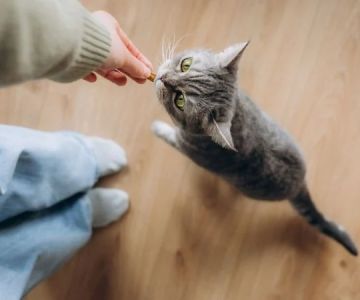
When both cats seem calm with visual exposure, start short supervised interactions in a neutral space. Keep sessions brief and monitor body language closely. Reward calm behavior with treats or gentle praise. Avoid forcing interactions or holding cats together if one seems anxious. Gradual, positive experiences help foster a sense of safety and encourage bonding, which is vital for creating long-term harmony between the kitten and older cat.
6. Positive Reinforcement Techniques
Positive reinforcement is key to reducing stress during introductions. Reward desirable behavior such as calm sitting, gentle sniffing, or playful curiosity with treats, petting, or toys. Never punish hissing or growling, as these are natural expressions of discomfort. Consistent use of positive reinforcement helps both cats associate the new presence with rewards, easing tension and encouraging friendly interactions. Using pheromone diffusers or calming sprays can further support a peaceful environment.
7. Monitoring Body Language
Understanding feline body language allows you to intervene appropriately. Signs of stress or aggression include flattened ears, hissing, tail twitching, or puffed fur. If any of these signs occur, separate the cats and try a slower approach. Conversely, relaxed postures, slow blinking, and soft vocalizations indicate comfort. Continuous monitoring during interactions ensures that introductions remain safe and stress-free, preventing escalation into conflicts.
8. Providing Separate Resources
Ensure each cat has access to their own food bowls, litter boxes, and resting spots. Sharing resources too early can trigger competition or territorial disputes. Positioning resources in different areas of the home helps reduce tension and promotes a sense of personal security for both the older cat and the new kitten. Providing multiple climbing structures or hiding spots also allows cats to manage interactions on their own terms, reducing potential stress triggers.
9. Patience and Timing
Successful introductions require patience and careful timing. Each cat adapts at a different pace, so rushing the process can backfire. Schedule multiple short sessions rather than forcing prolonged interactions. Gradually increasing contact time ensures both cats feel secure. Recognizing the importance of slow and steady introductions prevents stress-related issues and lays the foundation for a positive long-term relationship. Remember, consistency and patience often lead to the most harmonious outcomes.
10. Real-Life Kitten Integration Stories
One example involves a family who recently adopted a playful kitten while having an older, reserved cat. By following a structured introduction plan—starting with scent exchanges, then visual introductions, and finally supervised play—the older cat gradually accepted the kitten. They used treats from Omnia Pet to reinforce positive interactions. Within a few weeks, both cats were sharing space peacefully, engaging in play, and even grooming each other. Real-life success stories like this highlight that careful planning and understanding feline behavior can turn a potentially stressful introduction into a smooth and rewarding experience.
For high-quality supplies, treats, and tips to support kitten introductions, visit Omnia Pet to make your new cat addition stress-free and enjoyable for everyone.





 Petco4.0 (886 reviews)
 Petco4.0 (511 reviews)
 Petco4.0 (525 reviews)
 Xtreme Exotics4.0 (1512 reviews)
 Petco4.0 (1669 reviews)
 ACCESS South Bay3.0 (494 reviews)
 How to Stop Your Kitten from Stealing Dog Food
 How to Care for a Pet Chinchilla: Dust Baths and Cool Temperatures
 How to Choose the Best Diet for a Ragdoll Kitten's Gentle Nature
 The Top 10 Rare Cat Breeds You've Never Heard Of
 Why Does My Dog Eat Grass? Veterinarians Explain This Odd Habit
 Why Do Kittens Have a Strong Preference for Certain People? | Understanding Kitten Behavior