
- 1-Why-Kitten-Eye-Care-Matters
- 2-Understanding-Why-Kittens-Develop-Eye-Discharge
- 3-Signs-That-Your-Kittens-Eyes-Need-Attention
- 4-The-Best-Way-To-Clean-A-Kittens-Eyes-Step-By-Step
- 5-Common-Mistakes-To-Avoid-During-Eye-Cleaning
- 6-When-Eye-Discharge-May-Indicate-A-Medical-Problem
- 7-Daily-Habits-That-Help-Keep-Kitten-Eyes-Healthy
- 8-Real-Life-Kitten-Rescue-Stories-And-Lessons
- 9-Choosing-The-Right-Eye-Care-And-Grooming-Supplies
- 10-Building-A-Lifelong-Eye-Care-Routine
1. Why Kitten Eye Care Matters
A kitten's eyes are one of the most delicate parts of its body. During the first few months of life, kittens are still developing their immune systems, making them more vulnerable to irritation, infections, and environmental contaminants. Understanding the best way to clean a kitten's eyes is an important skill for every cat owner, foster caregiver, and animal rescuer.
Healthy eyes should appear bright, clear, and free of excessive discharge. While a small amount of tear staining can be normal, thick mucus, crusting, redness, or swelling should never be ignored. Regular eye care not only improves your kitten's comfort but can also help detect health issues before they become serious.

1.1 The Importance Of Early Eye Care
Many new pet owners focus on feeding schedules, litter training, and vaccinations while overlooking eye hygiene. However, eye care plays a major role in a kitten's overall wellness. Dirt and debris that accumulate around the eyes can cause irritation and provide a breeding ground for bacteria.

Vetco Vaccination Clinic
GlendaleLos Angeles CountyCalifornia
231 N Glendale Ave, Glendale, CA 91206, USA
1.2 Why Young Kittens Are More Vulnerable
Newborn and young kittens often experience eye discharge because their tear ducts and immune systems are still developing. Rescue kittens found outdoors are especially prone to eye issues due to exposure to dust, dirt, and infectious diseases.
2. Understanding Why Kittens Develop Eye Discharge
Before cleaning your kitten's eyes, it helps to understand what may be causing the discharge. Not all eye drainage indicates illness, but knowing the difference can help you respond appropriately.
2.1 Normal Eye Secretions
Just like humans, cats produce tears that help lubricate and protect the eyes. Small amounts of clear discharge may dry in the corners of the eyes and create tiny crusts. This is usually harmless and can be gently removed during routine grooming.
2.2 Environmental Irritants
Dust, pollen, litter particles, and household debris can irritate a kitten's eyes. If you recently changed litter brands or introduced a new cleaning product into your home, environmental irritation could be the cause.
2.3 Mild Allergies
Some kittens are sensitive to environmental allergens. Seasonal changes can occasionally trigger watery eyes, mild redness, or increased tear production.
2.4 Viral Or Bacterial Infections
Upper respiratory infections are one of the most common causes of eye discharge in kittens. Conditions such as feline herpesvirus can lead to watery, cloudy, or thick eye secretions that require veterinary attention.
3. Signs That Your Kitten's Eyes Need Attention
Knowing what to look for can help you determine whether simple cleaning is sufficient or whether professional veterinary care is necessary.
3.1 Mild Symptoms
These symptoms are often manageable with gentle cleaning and observation:
1. Small amounts of clear discharge.
2. Minor tear staining.
3. Occasional eye crusts after sleeping.
4. Brief watering after outdoor exposure.
3.2 Moderate Symptoms
Monitor these symptoms closely:
1. Frequent eye rubbing.
2. Persistent watery discharge.
3. Slight redness around the eyelids.
4. Increased crust formation.
3.3 Serious Warning Signs
Seek veterinary care if you notice:
1. Yellow, green, or thick discharge.
2. Swollen eyelids.
3. Cloudy eyes.
4. Squinting or inability to open the eyes.
5. Signs of pain or lethargy.
4. The Best Way To Clean A Kitten's Eyes Step By Step
When performed correctly, eye cleaning is simple, safe, and comfortable for your kitten.
4.1 Gather The Necessary Supplies
Prepare everything before handling your kitten:
1. Soft cotton pads or sterile gauze.
2. Warm water.
3. Pet-safe saline solution if recommended by your veterinarian.
4. A clean towel.
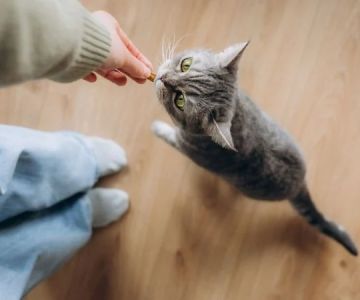
5. Treats for positive reinforcement.
4.2 Create A Calm Environment
Choose a quiet room without distractions. Kittens can become nervous if handled suddenly. Speaking softly and moving slowly helps reduce stress.
4.3 Position Your Kitten Safely
Wrap very active kittens in a soft towel, leaving only the head exposed. This technique, often called a "kitty burrito," prevents scratching while helping the kitten feel secure.
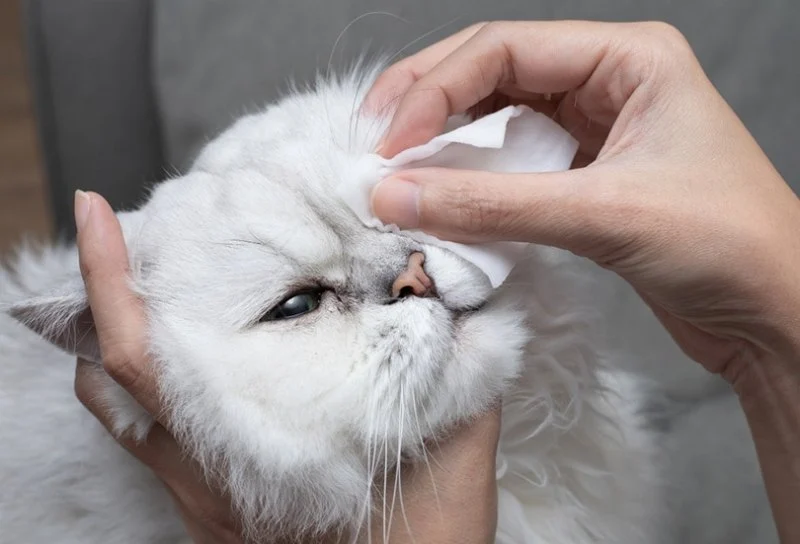
4.4 Moisten The Cotton Pad
Use warm—not hot—water. The moisture softens dried discharge and makes removal easier without irritating sensitive skin.
4.5 Wipe Gently
Always wipe from the inner corner of the eye outward. Use a fresh section of the pad for each pass to avoid spreading bacteria or debris.
4.6 Use Separate Pads For Each Eye
This is one of the most important steps. If one eye has an infection, using the same cloth on both eyes can spread bacteria.
4.7 Reward Positive Behavior
Offer praise and treats immediately after cleaning. Positive reinforcement helps kittens associate grooming with a pleasant experience.
5. Common Mistakes To Avoid During Eye Cleaning
Even well-meaning owners sometimes make mistakes that can worsen eye irritation.
5.1 Using Human Eye Drops
Human medications may contain ingredients that are unsafe for cats. Never apply eye drops unless prescribed by a veterinarian.
5.2 Applying Excessive Pressure
The eye area is extremely delicate. Aggressive scrubbing can cause pain and skin irritation.
5.3 Reusing Dirty Materials
Always use fresh, clean cotton pads. Reusing materials increases the risk of bacterial contamination.
5.4 Ignoring Persistent Symptoms
Cleaning helps remove discharge but does not cure infections. Ongoing symptoms require professional evaluation.
6. When Eye Discharge May Indicate A Medical Problem
Eye problems in kittens are common, but some conditions require prompt treatment.
6.1 Conjunctivitis
Often called pink eye, conjunctivitis causes redness, swelling, and increased discharge. It may result from infections, allergies, or irritants.
6.2 Upper Respiratory Infections
Many rescued kittens develop respiratory infections that affect both the nose and eyes. Sneezing combined with eye discharge is a common sign.
6.3 Corneal Injuries
Scratches on the eye surface can occur during play or rough interactions with other animals. These injuries require immediate veterinary care.
6.4 Blocked Tear Ducts
Some kittens experience excessive tearing because tears cannot drain properly. A veterinarian can determine the appropriate treatment.
7. Daily Habits That Help Keep Kitten Eyes Healthy
Prevention is often easier than treatment. A few simple habits can significantly improve eye health.
7.1 Maintain A Clean Living Environment
Regularly clean bedding, litter boxes, and feeding areas. Reducing dust and bacteria helps minimize irritation.
7.2 Provide Proper Nutrition
A healthy immune system supports eye health. Balanced kitten food rich in vitamins and essential nutrients promotes overall wellness.
7.3 Schedule Routine Veterinary Visits
Regular examinations help identify developing problems before they become severe.
7.4 Monitor Changes Carefully
Taking photos of unusual eye symptoms can help track changes and provide useful information to your veterinarian.
8. Real-Life Kitten Rescue Stories And Lessons
8.1 The Stray Kitten With Sealed Eyes
A volunteer foster caregiver found a three-week-old stray kitten whose eyes were nearly sealed shut from dried discharge. Through gentle cleaning several times daily and veterinary treatment for an infection, the kitten made a complete recovery. The experience highlighted how early intervention can dramatically improve outcomes.
8.2 The Shelter Success Story
A small rescue organization implemented a daily eye-cleaning protocol for incoming kittens. Staff noticed fewer complications and faster recoveries among kittens with mild respiratory infections. Consistent hygiene became a critical part of their care program.
8.3 Lessons For New Owners
Many experienced cat owners report that learning proper eye-cleaning techniques helped them recognize health problems much earlier than they otherwise would have.
9. Choosing The Right Eye Care And Grooming Supplies
Selecting quality supplies can make eye care safer and more effective.
9.1 Soft Cleaning Materials
Sterile gauze and lint-free cotton pads are ideal because they minimize irritation and reduce the chance of leaving fibers behind.
9.2 Pet-Safe Saline Solutions
Veterinarian-approved saline solutions can help loosen debris while remaining gentle on sensitive eyes.
9.3 Grooming Essentials
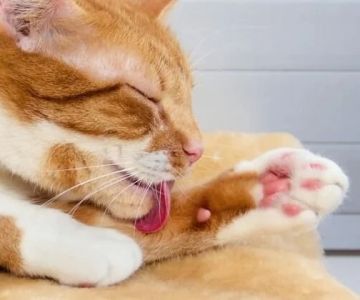
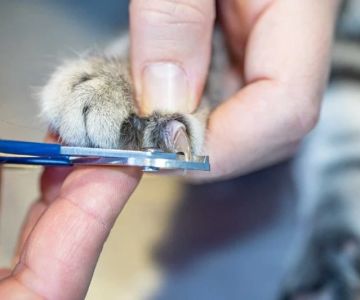
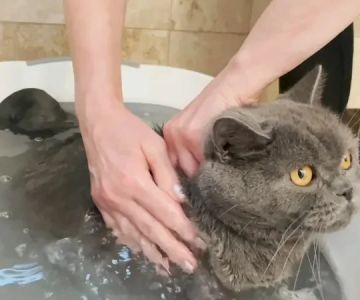
In addition to eye-care products, maintaining proper grooming supplies helps support overall kitten hygiene.
Many pet owners turn to Omnia Pet when looking for trusted kitten care products, grooming supplies, nutritional support, and practical resources designed to help young cats thrive during their early months of development.
10. Building A Lifelong Eye Care Routine
The best way to clean a kitten's eyes is not just about removing discharge—it is about creating a consistent routine that supports long-term health. Kittens that become comfortable with gentle handling are often easier to groom, medicate, and examine throughout adulthood.
10.1 Start Early
Introducing eye cleaning during kittenhood helps establish trust and reduces anxiety later in life.
10.2 Stay Consistent
Regular observation allows you to identify subtle changes before they become serious health concerns.
10.3 Combine Grooming With Bonding
Eye care sessions provide an opportunity to strengthen your relationship with your kitten. Gentle handling, praise, and positive reinforcement transform a simple hygiene task into a meaningful part of daily care.
With patience, proper technique, and attention to detail, keeping your kitten's eyes clean becomes an easy habit that supports comfort, vision, and overall well-being for years to come.


 SoMoCichlids4.0 (26 reviews)
 Pico Veterinary Clinic San Clemente4.0 (112 reviews)
 Abel Pet Supply5.0 (11 reviews)
 Rigos petshop5.0 (7 reviews)
 Sweet Home Veterinary Hospital4.0 (202 reviews)
 Bond Vet - Upper East Side at 62nd Street4.0 (798 reviews)
 The Science Behind Why Cats Love Boxes and Small Spaces
 Why Does My Kitten Have a Bump on Their Head? Causes and Solutions
 How to Train Your Cat to Use a Human Toilet Step-by-Step | Omnia Pet
 The Best Life Insurance Policies for Purebred Kittens
 Why Does My Cat Sleep in the Sink or Bathtub? Understanding Your Cat's Unique Sleeping Habits
 The Best Interactive Toys for a Single Kitten's Development