
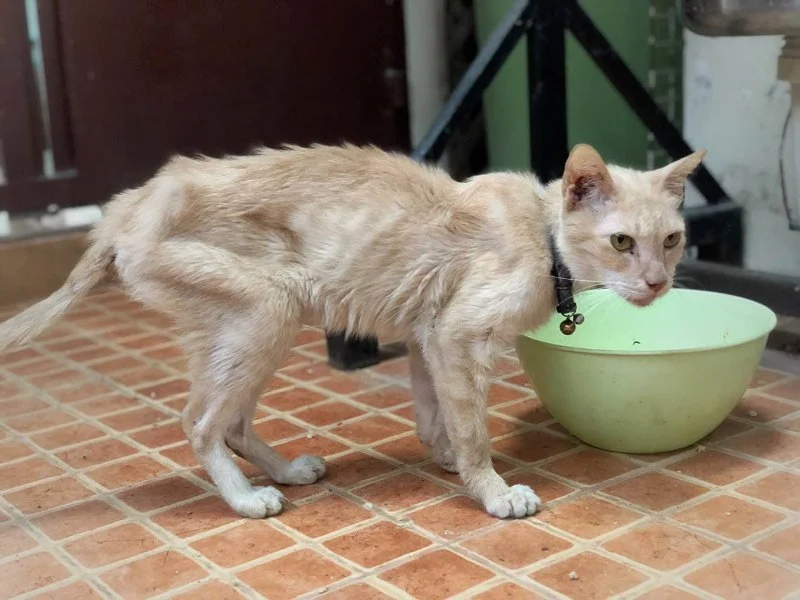
1. Understanding the Ideal Weight for Kittens
Before determining whether your kitten is too skinny, it's important to understand the ideal weight range for kittens at various stages of growth. A healthy weight ensures that your kitten is receiving proper nutrition and is growing as it should. Kittens generally grow rapidly during the first few months of life, and their weight should increase steadily.

Vinegar Hill Veterinary Group- Brooklyn Heights
10 Columbia Pl, Brooklyn, NY 11201, USA
2. Key Signs That Your Kitten May Be Too Skinny
Recognizing when your kitten is underweight is crucial for its health. Here are some signs to watch out for:
- Ribs and Spine Are Easily Felt: If you can feel your kitten's ribs or spine without a layer of fat, it may be too skinny. While kittens do have some rib visibility, excessive protrusion is a sign of concern.
- Visible Bone Structure: A kitten's bone structure, particularly the hips and spine, should not be overly prominent. If you notice sharp bones, this could indicate malnutrition.
- Lack of Energy or Playfulness: Kittens that are too skinny may appear lethargic, lack enthusiasm for play, or seem unusually tired. A healthy kitten is energetic and playful.
- Dry Coat or Dull Fur: A kitten that is underweight may have a dry, brittle coat or dull fur. Proper nutrition supports a shiny, healthy coat.
3. How to Assess Your Kitten's Body Condition
There are several methods to assess your kitten's body condition. One of the most reliable ways is by using a body condition score (BCS), which is a visual and physical assessment of your kitten's body shape and fat distribution.
- Using a Body Condition Score Chart: Many veterinarians use a 5-point scale (1 being emaciated, 5 being obese) to evaluate a kitten's condition. Kittens should ideally fall within a score of 3, indicating a healthy, moderate body condition.
- Visual and Palpation Check: You can visually assess your kitten by gently feeling their ribs, spine, and waistline. If the kitten has a prominent waistline and ribs that are easy to feel, it may be too skinny.
4. Causes of Underweight in Kittens
There are several potential reasons why a kitten might be underweight. Understanding the cause is essential for addressing the issue. Some common causes include:
- Poor Diet: A kitten that is not receiving a balanced or adequate diet may struggle to gain weight. It's essential to provide high-quality kitten food that meets their specific nutritional needs.
- Health Issues: Worms, infections, or gastrointestinal issues can hinder your kitten's ability to absorb nutrients, leading to weight loss.
- Stress or Environmental Factors: A kitten that is stressed or in an environment with high competition for food (such as in a multi-pet household) may not eat enough to gain weight.
5. How to Help Your Kitten Gain Weight Safely
If you've determined that your kitten is too skinny, it's time to take action. Here are some tips to help your kitten gain weight safely:
- Feed High-Quality Kitten Food: Make sure you're feeding your kitten high-quality kitten food that is rich in protein and fat. Wet food can be especially helpful for underweight kittens.
- Offer Small, Frequent Meals: Kittens have small stomachs, so it's better to offer smaller meals more frequently throughout the day.
- Consult a Veterinarian: If your kitten is too skinny, it's always a good idea to consult a veterinarian to rule out any underlying health problems.
6. When to Seek Professional Help
If you are concerned about your kitten's weight or health, it's essential to seek help from a veterinarian. Early intervention can prevent long-term health issues and ensure your kitten grows into a healthy adult cat. If your kitten is not gaining weight despite dietary changes, or if they show signs of illness, contact a vet immediately.






 VCA Community Companion Animal Hospital4.0 (217 reviews)
 Station Plaza Veterinary Group4.0 (157 reviews)
 Whiskerful (E-commerce Pet Accessories)5.0 (3 reviews)
 KAYLEY'S PET SHOP3.0 (3 reviews)
 Petco4.0 (1094 reviews)
 Angels Pet World Too4.0 (50 reviews)
 The Best Time of Day to Feed Your Dog: Morning vs. Evening
 Why Is My Kitten So Clumsy? Coordination Development Guide
 The Best Ways to Keep a Kitten Cool in Summer: Essential Tips
 The Science of a Kitten's Hearing Development: Understanding Their Sensory Growth
 A Guide to Feline Arthritis: How to Make Your Cat Comfortable
 Why Does My Cat Lay on My Chest? Signs of Affection and Comfort