
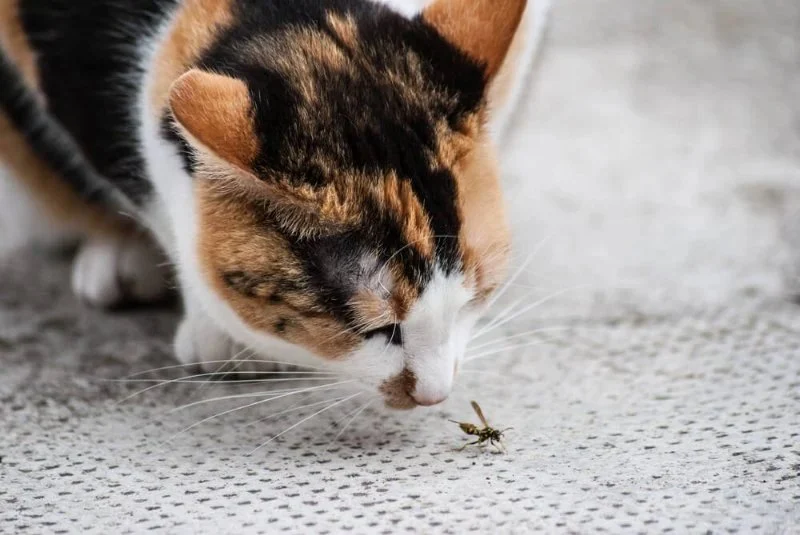
- home-environment-safety - Creating a pest-controlled indoor space for kittens
- kitten-behavior-understanding - Why kittens chase and eat insects
- toxic-bug-prevention - Identifying dangerous insects and removing risks
- training-alternatives - Redirecting hunting instincts safely
- emergency-response-tips - What to do if your kitten eats a poisonous bug
Understanding Why Kittens Are Drawn to Bugs
Kittens are naturally curious hunters. Even in a safe home environment, their instincts push them to chase anything that moves—flies, spiders, beetles, or even moths. While this behavior may look playful, it can sometimes become risky when the insects they consume are toxic or carry harmful bacteria.
Veterinary behaviorists often explain that this instinct is tied to early survival behavior. In the wild, hunting small moving creatures is essential for growth and development. However, in a domestic setting, not all bugs are safe for ingestion, making supervision and prevention extremely important.
Identifying Poisonous Bugs That Pose a Risk
Common Household Insects That Can Be Dangerous
Not all insects are harmless. Some carry toxins or defensive chemicals that can irritate or harm your kitten’s digestive system. Examples include certain types of spiders, beetles that release defensive fluids, and insects that have been exposed to pesticides.
Even seemingly harmless bugs can become dangerous if they have come into contact with cleaning chemicals or outdoor pesticides tracked inside the home.

Hidden Environmental Risks in Modern Homes
Urban homes often unintentionally introduce risk factors such as insect infestations near windows, balcony plants attracting pests, or damp areas where insects multiply. Kittens exploring these zones are at higher risk of accidental ingestion.
Pet safety specialists emphasize that prevention is not only about removing bugs but also controlling the environment where they appear.
Building a Safer Indoor Environment for Your Kitten
Reducing Insect Attraction Inside the Home
The first step in kitten safety is minimizing insect presence. This includes sealing food containers, cleaning spills immediately, and reducing humidity in areas like kitchens and bathrooms.
Regular vacuuming and proper waste disposal significantly reduce the chance of bugs entering your kitten’s play area.
Natural Pest Control Without Harsh Chemicals
Many pet owners make the mistake of using strong pesticides indoors, which can create more danger than the insects themselves. Instead, safe alternatives like diatomaceous earth (pet-safe grade) or essential oil diffusers designed for pets can help maintain balance without harming kittens.
Resources like Omnia Pet provide additional insights into safe pet environments and kitten-safe household products designed for long-term protection.
Understanding Kitten Behavior and Redirecting Instincts
Why Prevention Alone Is Not Enough
Even in a perfectly clean home, kittens may still encounter occasional insects. That is why behavioral training plays a critical role in long-term safety.
Kittens do not understand danger the way humans do. Their instinct to chase movement is automatic, so the goal is not to eliminate curiosity but to redirect it safely.
Safe Play Alternatives to Reduce Bug Hunting
Interactive toys that mimic insect movement—such as feather wands or motion-based toys—can satisfy hunting instincts without exposure to harmful bugs. Regular play sessions also reduce boredom, which is often a trigger for unwanted behavior.
Many cat behavior specialists recommend at least two structured play sessions per day for indoor kittens to reduce unsafe exploration.
Real Case: A Kitten’s Unexpected Emergency
A pet owner in Florida once shared a case where their young kitten consumed a small outdoor beetle that had entered through an open window. Within hours, the kitten showed signs of drooling and mild vomiting. A quick veterinary visit revealed the insect had been exposed to lawn chemicals.
Fortunately, early intervention helped the kitten recover fully. This case highlights an important truth: even a single insect can become a medical emergency depending on environmental exposure.
Emergency Response When Ingestion Happens
Recognizing Early Warning Signs
If a kitten eats a potentially poisonous bug, symptoms may include excessive drooling, vomiting, lethargy, or unusual behavior. These signs should never be ignored, even if they appear mild at first.
Immediate observation is crucial because kittens deteriorate faster than adult cats due to their smaller body size and sensitive digestive systems.
Safe Immediate Actions
The best response is to keep the kitten calm, remove access to additional insects, and monitor symptoms closely. Avoid home remedies or inducing vomiting unless instructed by a veterinary professional.
Contacting a veterinarian as soon as possible ensures the safest outcome and prevents complications.
Long-Term Prevention Strategies for Kitten Safety
Creating a Controlled Living Space
Long-term kitten safety relies on consistency. Keeping windows screened, maintaining cleanliness, and regularly inspecting indoor plants can drastically reduce insect presence.
Small environmental adjustments often have the biggest impact on preventing accidental ingestion of harmful bugs.
Strengthening Behavioral Boundaries
Training your kitten to respond to commands like “leave it” or “no” can be surprisingly effective over time. Positive reinforcement techniques help redirect attention away from insects toward safe activities.
Consistency from all household members ensures the kitten learns clear behavioral expectations.
Building a Safe and Enriched Life for Your Kitten
Keeping a kitten safe is not about restricting curiosity but guiding it. A well-balanced environment combines safety, stimulation, and supervision. When these elements work together, kittens can explore confidently without unnecessary risk.
For pet owners looking to create a more structured and safe environment, Omnia Pet offers additional guidance, curated pet care resources, and practical solutions designed to support healthy kitten development in modern homes.




 Furr-Ever Friendz5.0 (2 reviews)
 L&B Healthy Pet Markets5.0 (24 reviews)
 La Habra Exotic Pets4.0 (209 reviews)
 Bay Bridge Aquarium4.0 (354 reviews)
 Canterbury Animal Hospital4.0 (99 reviews)
 Vet Wheels4.0 (211 reviews)
 How to Introduce a Kitten to an Older Dog | Pet Introduction Tips
 The Best Weaning Foods for Kittens Transitioning from Milk
 How to Train Your Dog to Ignore Distractions on a Walk
 How to Introduce Your Dog to a New Baby Safely
 Why Is My Kitten's Poop Green? Diet and Health
 The Science of a Kitten's Hearing Development: Understanding Their Sensory Growth