
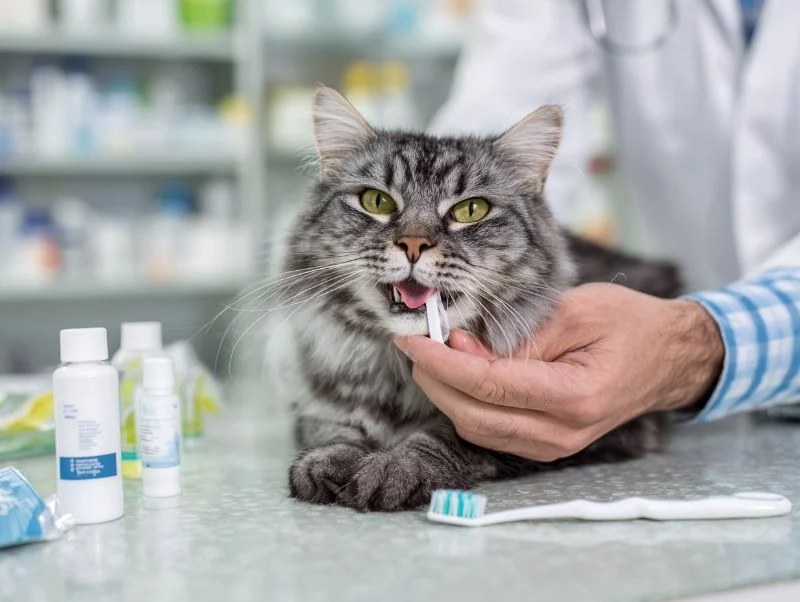
- early-warning-signs-of-feline-dental-disease - recognizing subtle behavior and mouth changes
- progression-of-cat-oral-infections - how untreated issues evolve over time
- daily-prevention-routine - brushing, diet, and at-home care habits
- vet-care-and-cleanings - professional dental treatment importance
- real-life-case-stories - how owners noticed problems too late or acted early
Understanding Why Dental Disease in Cats Often Goes Unnoticed
Dental disease in cats develops quietly. Unlike dogs, cats rarely show obvious discomfort until the condition has progressed significantly. This is one of the reasons feline oral health is often underestimated by pet owners. Many cats continue eating normally even while suffering from inflamed gums or tooth decay, masking early warning signs that would otherwise prompt action.
In veterinary clinics across the United States, studies consistently show that a large percentage of adult cats exhibit some level of periodontal disease. The issue typically begins with plaque buildup, which hardens into tartar and gradually irritates the gums. Over time, this leads to infection, pain, and even tooth loss if not addressed early.
Understanding the subtle nature of cat dental disease is the first step toward prevention. A proactive approach can save your pet from long-term discomfort and costly treatments.

Huntington Animal Hospital
Huntington StationSuffolk CountyNew York
113 Walt Whitman Rd, Huntington Station, NY 11746, USA
Early Signs of Dental Disease in Cats That Owners Commonly Miss
Behavioral Changes That Don’t Seem Dental at First
One of the earliest indicators of oral issues is behavioral change. A cat that suddenly avoids dry food or begins chewing on one side of its mouth may already be experiencing discomfort. Some cats become more withdrawn, while others may show irritability when their face is touched.
A real example comes from a pet owner in Oregon who noticed her usually playful tabby, Milo, began dropping kibble from his mouth and pawing at his face. Initially, she suspected a digestive issue. A vet visit later revealed advanced gingivitis that required immediate treatment.

Visible Oral Symptoms and Breath Changes
Bad breath in cats is often dismissed as normal, but persistent odor is one of the clearest signs of dental disease. This smell is usually caused by bacterial buildup along the gumline. Red or swollen gums, visible tartar, and drooling are also strong indicators that something is wrong.
In more advanced cases, you may notice bleeding gums or loose teeth. At this stage, the condition has often progressed beyond simple home care and requires veterinary intervention.
Eating Difficulties and Weight Changes
Cats experiencing oral pain may begin eating less or avoiding hard food altogether. Some may drop food while chewing or take longer to finish meals. Over time, this can lead to weight loss or nutritional deficiencies if not addressed.
This is often mistaken for picky eating, but in reality, it can be a sign of serious feline oral health issues.
What Causes Dental Disease in Cats to Develop
Plaque and Tartar Accumulation Over Time
The most common cause is plaque buildup. When food particles and bacteria remain on teeth, they form a sticky film that hardens into tartar. This process begins within days and accelerates without regular cleaning.
Genetic and Age-Related Factors
Older cats are more prone to dental disease due to weakened immune systems and long-term exposure to plaque. Some breeds also have a higher predisposition to oral issues due to jaw structure and tooth alignment.
Diet and Lifestyle Influence
Cats fed primarily soft food may develop plaque faster than those chewing dry kibble or dental-specific diets. Indoor cats, while safer overall, often lack natural chewing behaviors that help clean teeth naturally.
How to Prevent Dental Problems Before They Become Serious
Building a Daily Oral Care Routine
Preventing cat teeth care issues begins with consistency. Brushing your cat’s teeth with pet-safe toothpaste is one of the most effective methods. While many cats resist at first, gradual training can make the process easier over time.
Start by letting your cat taste the toothpaste, then slowly introduce finger brushing before transitioning to a toothbrush. Even a few times per week can significantly reduce plaque buildup.
For owners seeking reliable pet health resources and tools, platforms like Omnia Pet offer helpful recommendations for dental care products and preventive solutions tailored for feline health.
Dietary Adjustments for Better Oral Health
Special dental diets and kibble designed to reduce plaque can play a supporting role in prevention. Some formulations are engineered to scrub teeth mechanically as the cat chews, reducing buildup naturally.
Water additives and dental treats can also help maintain cleaner teeth between brushings, although they should not replace manual cleaning entirely.
Regular Veterinary Cleanings and Checkups
Professional cleanings remain essential even with excellent home care. Veterinarians can remove hardened tartar and detect early signs of gum disease that may not be visible externally.
Most vets recommend annual dental evaluations, especially for cats over five years old. Early intervention is significantly less invasive and more affordable than treating advanced disease.
Real-Life Case: When Early Action Made All the Difference
A cat owner in California shared a case involving her rescue cat, Luna. She noticed mild drooling and occasional refusal of dry food. Instead of waiting, she scheduled a dental exam. The vet discovered early-stage gum inflammation and removed small tartar deposits before they progressed.
Because she acted early, Luna avoided tooth extraction and recovered quickly with minimal treatment. This case highlights how awareness of signs of dental problems in cats can dramatically change outcomes.
In contrast, another case involved a senior cat whose dental disease went unnoticed for years, eventually requiring multiple extractions and long-term medication. The difference between these two outcomes was simply timing and attention.
Why Preventive Dental Care Improves Long-Term Cat Health
Healthy teeth are directly connected to overall well-being. Untreated infections in the mouth can spread bacteria through the bloodstream, affecting organs such as the kidneys and heart. This makes oral hygiene not just a comfort issue, but a critical health factor.
Cats with good dental care tend to eat better, live longer, and maintain more consistent energy levels. Prevention is far less stressful for both pets and owners than emergency dental procedures.
Investing in routine care, early detection, and professional support builds a foundation for lifelong feline health.
Practical Daily Habits That Make a Long-Term Difference
Small habits matter more than occasional deep cleaning. Observing your cat’s eating behavior, checking their mouth weekly, and maintaining a brushing schedule can prevent most dental issues before they escalate.
Even something as simple as noticing subtle changes in chewing patterns can be the difference between early treatment and advanced disease.
Staying consistent with care routines and using trusted pet health resources ensures that your cat remains comfortable and pain-free throughout its life.






 Tolleson Animal Clinic4.0 (280 reviews)
 Town & Country Veterinary Associates4.0 (242 reviews)
 House of Sploot Pet Shop5.0 (8 reviews)
 Charles Street Animal Clinic4.0 (40 reviews)
 Banfield Pet Hospital3.0 (212 reviews)
 Cottage Pet Hospital4.0 (354 reviews)
 The Best Interactive Apps for Entertaining Your Kitten>
 The Best Life Jacket for a Kitten in a Pool
 How to Stop Your Cat from Unrolling the Toilet Paper
 The Best Puzzle Feeders for Cats to Slow Down Eating
 How to Find a Lost Cat: Effective Strategies That Work
 How to Stop Your Kitten from Getting Car Sick