
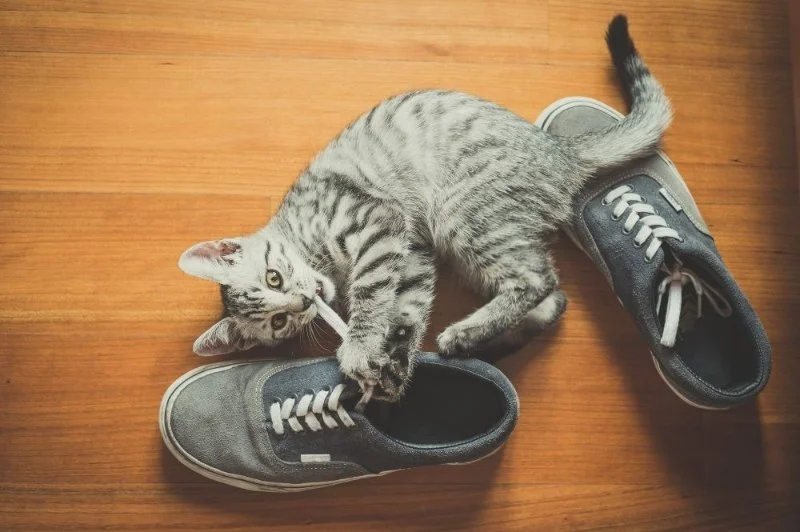
- keep-kitten-from-chewing-shoes-guide
- why-kittens-chew-on-shoes-and-common-causes
- kitten-teething-and-developmental-chewing-behavior
- effective-ways-to-prevent-kitten-shoe-chewing
- providing-safe-chewing-alternatives-for-kittens
- kitten-training-techniques-for-better-habits
- creating-a-kitten-friendly-home-environment
- common-kitten-chewing-training-mistakes
- long-term-solutions-for-healthy-cat-behavior
- omnia-pet-kitten-care-solutions
How to Keep Your Kitten from Chewing on Shoes
Bringing home a new kitten is an exciting experience filled with playful moments, tiny paws, and endless curiosity. However, many new cat owners quickly discover that kittens love exploring the world with their mouths. From electrical cords to furniture corners and especially shoes, almost anything can become a target for chewing.
Learning How to Keep Your Kitten from Chewing on Shoes is an important part of helping your kitten develop healthy behaviors while protecting your belongings. Although shoe chewing may seem like a harmless habit, it can sometimes lead to damaged items, digestive risks, or unwanted behaviors that become harder to change as your cat grows older.
The good news is that kittens usually chew shoes for understandable reasons. They are not trying to be difficult or destructive. Most shoe chewing comes from natural instincts, teething, boredom, curiosity, or the attraction of interesting smells. By understanding the reason behind the behavior, you can guide your kitten toward safer choices.
With the right combination of environmental changes, positive training, and appropriate toys, you can help your kitten stop chewing shoes while building a stronger relationship based on trust and communication.

Why Kittens Chew on Shoes and Common Causes
1. Shoes Have Interesting Smells
One of the biggest reasons kittens are attracted to shoes is scent. Cats have an extremely sensitive sense of smell, and shoes carry many interesting odors from the outside world.
Your shoes may contain scents from grass, pavement, other animals, household environments, and even your own natural scent. To a kitten, this collection of smells creates an exciting object worth investigating.
A kitten chewing on your shoes is often not about the material itself. The shoe represents a fascinating source of information about the world around them.

PetVet Vaccination Clinic
GriswoldSoutheastern Connecticut Planning RegionConnecticut
461 Voluntown Rd, Griswold, CT 06351, USA
2. Teething Creates a Need to Chew
Young kittens experience periods of dental development where chewing can provide comfort. Similar to human babies, kittens may seek out objects to bite when their gums feel uncomfortable.
During this stage, shoes, shoelaces, and soft materials can become attractive because they provide resistance and texture.
Understanding this natural process helps owners respond appropriately instead of simply punishing the behavior.
3. Curiosity and Exploration
Kittens are naturally curious. Every new object in their environment becomes something to examine, touch, smell, and sometimes taste.
A shoe left near the door is often more interesting than a toy sitting quietly in a corner because it carries new information from outside the home.
4. Boredom and Lack of Stimulation
A kitten with too much unused energy may create its own entertainment. Chewing shoes can become a fun activity when there are not enough toys, climbing opportunities, or interactive play sessions available.
Many behavior problems are actually signs that a kitten needs more mental and physical stimulation.
Kitten Teething and Developmental Chewing Behavior
Understanding Normal Kitten Growth
Kittens go through several developmental stages during their first year. During early months, they learn about their surroundings and practice behaviors that help them become confident adult cats.
Chewing is part of this learning process. Young cats use their mouths to explore textures, understand objects, and practice hunting-related behaviors.
When Chewing Becomes a Problem
Occasional exploration is normal, but constant chewing on shoes may indicate that your kitten has developed a habit.
Signs that the behavior needs attention include:
- Repeatedly searching for shoes
- Destroying shoelaces or shoe materials
- Ignoring available toys
- Chewing unsafe objects around the home
- Showing frustration when redirected
Early training makes it easier to replace unwanted habits with healthier behaviors.
Effective Ways to Prevent Kitten Shoe Chewing
1. Store Shoes in a Closed Location
The simplest solution is often the most effective. Keeping shoes inside a closet, cabinet, or closed storage area removes the opportunity for chewing.
Environmental management is not about avoiding training. Instead, it prevents your kitten from practicing the unwanted behavior repeatedly.
Every time a kitten successfully chews a shoe, the habit becomes more rewarding. Removing access reduces reinforcement.
2. Clean and Reduce Shoe Odors
Because smells attract cats, reducing strong odors can make shoes less interesting.
Regular cleaning and proper storage can decrease the scent signals that encourage investigation.
3. Redirect Attention Immediately
If you catch your kitten chewing a shoe, calmly redirect the behavior. Avoid yelling or frightening your kitten because this may create anxiety rather than understanding.
Instead:
- Remove the shoe gently
- Offer an appropriate toy
- Praise your kitten when it plays with the toy
Over time, your kitten learns that toys provide better rewards than shoes.
Providing Safe Chewing Alternatives for Kittens
Interactive Toys
Interactive toys are excellent replacements for shoes because they satisfy a kitten’s natural hunting instincts.
Examples include:
- Wand toys
- Small plush toys
- Crinkle toys
- Puzzle feeders
- Catnip toys for appropriate ages
Rotating toys every few days keeps them interesting and prevents boredom.
Textured Chew-Friendly Items
Since kittens often seek specific textures, offering different materials can help meet their needs.
Some cats prefer soft fabrics, while others enjoy firmer textures. Providing safe options allows your kitten to choose appropriate objects.
Creating a Toy Rotation System
Many cat owners leave every toy available all the time. However, kittens can become bored with constant access.
A better strategy is rotating toys. Keep some items stored away and introduce them again later as if they are new.
Kitten Training Techniques for Better Habits
Use Positive Reinforcement
Positive reinforcement is one of the most effective methods for changing kitten behavior. Cats respond well to rewards because they naturally repeat actions that provide benefits.
When your kitten chooses a toy instead of a shoe, reward the decision with affection, praise, or a small treat.
Avoid Punishment-Based Training
Punishing a kitten for chewing shoes may create confusion. Cats do not always understand that the punishment relates to the earlier action.
A better approach is teaching what your kitten should do instead.
Create Consistent Rules
Consistency is essential. If shoes are sometimes allowed as play objects and sometimes removed, your kitten receives mixed messages.
Everyone in the household should follow the same approach to prevent confusion.
Creating a Kitten-Friendly Home Environment
Provide More Places to Explore
Cats naturally enjoy climbing, hiding, and investigating. Providing vertical spaces such as cat trees or shelves can reduce boredom-related behaviors.
A kitten with enough environmental enrichment is less likely to search for entertainment through unwanted activities.
Offer Daily Play Sessions
Regular play helps kittens release energy and satisfy hunting instincts.
Short, frequent play sessions are often more effective than one long session because they match natural feline behavior patterns.
Create Safe Exploration Areas
New kittens benefit from having safe areas where they can explore without encountering dangerous objects.
Remove items such as loose strings, small objects, and unsafe materials that could become chewing targets.
Common Kitten Chewing Training Mistakes
Ignoring the Behavior Completely
Some owners assume shoe chewing will disappear naturally. While some kittens grow out of it, others develop stronger habits over time.
Early guidance helps prevent long-term problems.
Offering Too Few Toys
A single toy may not satisfy an active kitten. Cats enjoy variety, and different toys encourage different behaviors.
Replacing Shoes with Similar Objects
Giving an old shoe as a toy can confuse your kitten because it teaches that shoes are acceptable play items.
Always choose completely different objects designed specifically for cats.
Long-Term Solutions for Healthy Cat Behavior
Building Good Habits Early
The habits your kitten develops during early life often influence future behavior. Teaching appropriate chewing choices creates a foundation for a well-adjusted adult cat.
Understanding Your Cat’s Personality
Every kitten is different. Some cats are highly playful, while others are more relaxed. Understanding your kitten’s personality helps you choose the right toys, activities, and training approach.
Regular Health Checkups
Although chewing is usually behavioral, unusual chewing patterns may sometimes relate to dental discomfort or other health concerns.
Regular veterinary care helps ensure your kitten’s overall wellbeing.
Discover Kitten Care Solutions with Omnia Pet
Helping your kitten stop chewing shoes becomes much easier when you provide the right environment, toys, and care products. Omnia Pet offers resources and recommendations designed to support pet owners who want healthier and happier companions.
From interactive toys to everyday pet essentials, Omnia Pet helps cat owners discover practical solutions for common kitten challenges. Creating positive habits early can make life easier for both you and your growing feline friend.
A kitten that learns what is safe to chew, where to play, and how to interact with its environment is more likely to become a confident and well-behaved adult cat.
Frequently Asked Questions About Kitten Shoe Chewing
Why does my kitten chew my shoes?
Kittens chew shoes because they are attracted to interesting smells, textures, and the opportunity to explore. Teething and boredom can also contribute to the behavior.
Will my kitten stop chewing shoes as it gets older?
Some kittens naturally reduce chewing as they mature, but training and providing alternatives help create healthier habits.
What should I do when my kitten bites my shoes?
Remove the shoe calmly and redirect your kitten to an appropriate toy. Reward positive behavior to encourage better choices.
Are shoe materials dangerous for kittens?
Some shoe materials, decorations, adhesives, or loose pieces may create risks if swallowed. It is safer to prevent access and provide kitten-safe alternatives.



 VCA Capital Area Veterinary Emergency and Specialty3.0 (390 reviews)
 Tufts at Tech Community Veterinary Clinic4.0 (426 reviews)
 Park View Veterinary Hospital4.0 (316 reviews)
 Petco4.0 (1702 reviews)
 BoosterPet Weekend Wellness Veterinary Clinic in Long Beach5.0 (1 reviews)
 Petco4.0 (269 reviews)
 A Guide to Cat Aggression: How to Deal with an Angry Cat
 How to Stop Your Cat from Unrolling the Toilet Paper
 Why Does My Kitten Have a Notched Ear? TNR Programs Explained
 How to Stop a Kitten from Clawing at Window Screens
 How to Stop Your Cat from Yowling Excessively
 How Dogs Understand Human Language: The Science of Canine Cognition