
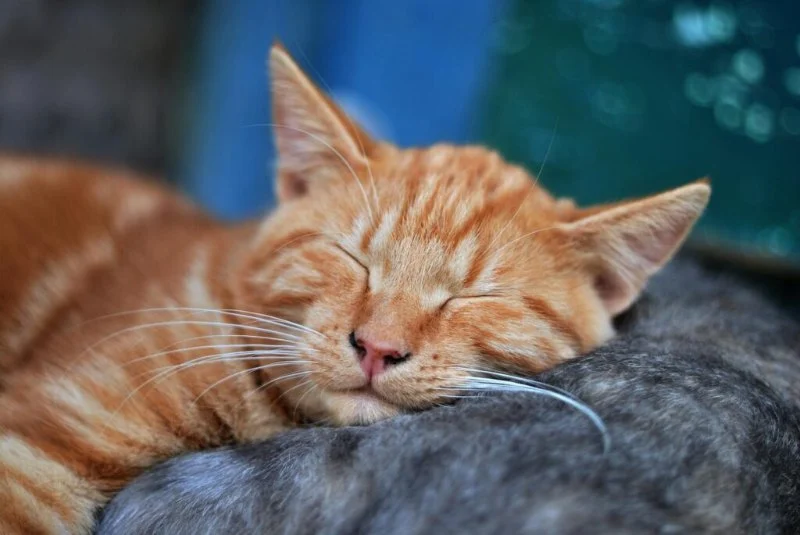
- why-do-cats-sleep-so-much
- how-many-hours-cats-sleep
- science-behind-cat-sleep
- cat-sleep-patterns-and-instincts
- factors-affecting-cat-sleep
- healthy-vs-unusual-cat-sleep
- helping-your-cat-sleep-better
Why Do Cats Sleep So Much? Understanding the Mystery Behind Their Long Naps
If you share your home with a cat, you have probably noticed a familiar scene: your cat stretches across a sunny windowsill, curls up on a soft blanket, or disappears into a cozy corner for hours at a time. Many cat owners wonder, “Why does my cat sleep so much?” While it may seem like cats spend most of their lives sleeping, this behavior is actually a fascinating result of their biology, evolution, and natural instincts.
The answer to why do cats sleep so much is connected to their history as hunters. Domestic cats may enjoy comfortable beds, regular meals, and playful moments indoors, but their bodies still carry many instincts inherited from wild ancestors. Sleep allows cats to conserve energy, recover their muscles, and prepare for periods of activity.
Understanding cat sleeping habits helps owners recognize what is normal and what may indicate a health concern. A cat that spends many hours resting is usually behaving naturally, but sudden changes in sleeping patterns can sometimes signal stress, illness, or discomfort.
For pet owners looking to support their cats with quality nutrition, comfort products, and everyday care solutions, Omnia Pet offers resources and products designed to help pets maintain a healthy lifestyle.
How Many Hours Do Cats Sleep Each Day?
1. The Average Sleep Schedule of Domestic Cats
Most cats sleep between 12 and 16 hours per day, although some cats may sleep even longer. Kittens and senior cats often require additional rest because their bodies need more recovery time.
Compared with humans, cats have a completely different sleep rhythm. While people usually sleep for one long period at night, cats naturally prefer multiple short sleeping sessions throughout the day.
A typical cat’s daily routine may include:
- Short naps after eating
- Resting during quiet daytime hours
- Periods of active play in the morning or evening
- Deep sleep after physical activity
This pattern is not a sign of laziness. Cats are designed to conserve energy between active periods.

2. Why Cats Sleep More Than Many Other Pets
Dogs, humans, and many other animals have different energy systems. Cats are natural predators that rely on short bursts of intense activity rather than long periods of endurance.
A wild cat may spend hours resting before suddenly chasing prey at high speed. Even though your indoor cat may only chase toys or explore the house, the same biological system remains active.
Sleeping allows cats to store energy for moments when they need quick movement, sharp focus, and strong coordination.
The Science Behind Cat Sleep
1. Energy Conservation and Hunting Instincts
The main scientific reason cats sleep so much is energy management. Hunting requires significant physical effort. Running, jumping, climbing, and capturing prey all demand powerful muscles and quick reactions.
Even domestic cats that receive food from their owners still maintain these instincts. Their bodies naturally prepare for activity by resting frequently.
This explains why your cat may sleep peacefully for several hours and suddenly become energetic, running through the house or playing with toys.
2. Cats Experience Different Sleep Stages
Like humans, cats experience different stages of sleep. Their sleep cycle includes light sleep and deeper sleep stages.
During light sleep, cats remain alert. You may notice their ears moving, tails twitching, or eyes opening slightly. This behavior comes from their survival instincts, allowing them to quickly respond to possible threats.
During deep sleep, cats experience more complete physical recovery. Their bodies repair tissues, strengthen their immune system, and restore energy.
3. The Role of REM Sleep
Cats also experience REM sleep, the stage associated with dreaming. If you have ever seen your cat’s paws moving or whiskers twitching while sleeping, you may have witnessed this stage.
Researchers believe cats may dream about daily experiences such as hunting, playing, exploring, or interacting with their environment.
A kitten chasing a toy during the day may later appear to “practice” those movements while sleeping.
How Evolution Shapes Cat Sleeping Behavior
1. Cats Are Naturally Crepuscular Animals
One reason cats seem to have unusual sleep schedules is because they are crepuscular animals. This means they are most active during dawn and dusk.
Many cat owners notice that their pets become energetic early in the morning or late in the evening. This behavior comes from their hunting history because these times often provided better opportunities for catching prey.
Your cat sleeping throughout the afternoon is not unusual. It is simply following a natural rhythm that developed over thousands of years.
2. Domestic Cats Still Behave Like Small Predators
Although modern house cats live comfortably indoors, their instincts remain connected to their wild relatives.
A cat’s daily activities often include behaviors linked to survival:
- Watching movement from windows
- Stalking toys before jumping
- Patrolling areas of the home
- Resting after active exploration
Sleep supports these behaviors by helping cats maintain energy and physical readiness.
What Influences How Much a Cat Sleeps?
1. Age and Development
A cat’s age has a major impact on sleeping patterns.
Kittens can sleep up to 20 hours per day because their bodies are growing rapidly. Sleep supports brain development, muscle growth, and learning.
Adult cats usually have more stable sleep schedules, while senior cats often sleep more because their bodies require additional recovery time.
2. Diet and Nutrition
Nutrition also influences energy levels. Cats that receive balanced diets often maintain healthier activity patterns.
Poor nutrition may contribute to fatigue, reduced activity, or changes in normal behavior. Providing appropriate food, clean water, and regular feeding routines helps support healthy sleep habits.
Many pet owners explore quality food options and wellness products through trusted pet care providers such as Omnia Pet to support their cats’ overall health.
3. Environment and Comfort
Cats are highly sensitive to their surroundings. A comfortable, safe environment encourages healthy rest.
Factors that influence cat sleep include:
- Temperature
- Noise levels
- Availability of quiet sleeping areas
- Household activity
- Stress from changes in routine
A cat living in a calm environment may sleep peacefully, while a stressed cat may sleep more or have difficulty resting.
When Cat Sleeping Is Normal and When to Pay Attention
1. Normal Long Sleeping Behavior
Many owners worry when they see their cat sleeping most of the day. However, long naps are usually normal if the cat is otherwise healthy.
A healthy sleeping cat typically:
- Eats normally
- Drinks water regularly
- Uses the litter box normally
- Plays during active periods
- Responds to people and surroundings
If your cat sleeps for many hours but becomes playful and alert at other times, there is usually no reason for concern.
2. Signs That Sleep Changes May Need Attention
While sleeping is natural, sudden changes can indicate a problem.
Pet owners should pay attention if a cat:
- Starts sleeping significantly more than usual
- Loses interest in food or play
- Hides more often
- Shows difficulty moving
- Appears tired even when awake
These changes may be related to health issues, stress, aging, or discomfort. Consulting a veterinarian is the best way to understand unusual behavior.
How to Create Better Sleep Conditions for Your Cat
1. Provide Comfortable Resting Areas
Cats appreciate having choices when it comes to sleeping locations. Some prefer enclosed spaces where they feel protected, while others enjoy open areas with sunlight.
Helpful options include:
- Soft cat beds
- Quiet corners
- Warm blankets
- Elevated resting spaces
A comfortable sleeping environment supports relaxation and reduces stress.
2. Maintain a Consistent Daily Routine
Cats are creatures of habit. Regular feeding times, play sessions, and interaction schedules help them feel secure.
Interactive play before meals can also match their natural hunting cycle. Many cats enjoy the pattern of “hunt, eat, groom, sleep,” which reflects their instinctive behavior.
3. Encourage Healthy Activity During Awake Hours
Although cats sleep a lot, they still need stimulation. Regular play helps maintain healthy weight, mental sharpness, and emotional well-being.
Simple activities include:
- Puzzle feeders
- Interactive toys
- Climbing structures
- Short daily play sessions
A cat that receives enough physical and mental activity is more likely to have balanced sleep patterns.
Understanding the Meaning Behind Your Cat’s Naps
The next time you find your cat sleeping peacefully for hours, remember that those naps are not wasted time. They are a vital part of feline biology.
The science behind the snooze shows that cats sleep so much because their bodies are designed for energy conservation, recovery, and survival. Their sleeping habits reflect thousands of years of evolution and continue to shape how domestic cats behave today.
By understanding why cats sleep so much, owners can better appreciate their pets’ natural behaviors and provide environments that support healthy rest. Whether your cat sleeps on a sunny windowsill, a favorite blanket, or beside you on the couch, those quiet moments are an important part of a happy and healthy feline life.




 BluePearl Pet Hospital3.0 (657 reviews)
 Critters 'N Crawlies LLC5.0 (1 reviews)
 Walker Street Dog & Cat Hospital3.0 (23 reviews)
 Creative Aquariums of Tampa4.0 (163 reviews)
 Hollywood Feed4.0 (544 reviews)
 Petco4.0 (1142 reviews)
 How to Train Your Kitten to Use a Flushable Litter Box
 How to Train Your Kitten to Play Dead
 Why Does My Cat Bite Me Gently? Love Bites Explained
 The Best Diet for a Bengal Kitten's Wild Ancestry
 How to Stop a Kitten from Clawing at Window Screens
 Best Holiday Gifts for Dog and Cat Lovers | Gift Ideas for Pet Owners