
- -Understanding What Mixed Breed Means in Kittens
- -Physical Traits That Reveal Mixed Heritage
- -Behavioral Clues You Should Not Ignore
- -Role of Genetics and DNA Testing
- -Common Misconceptions About Kitten Breeds
- -Real Story from a Cat Owner Experience
- -Where to Get Help and Supplies for Your Kitten
1. Understanding What Mixed Breed Means in Kittens
When exploring how to tell if your kitten is a mixed breed, it helps to first understand what “mixed breed” actually means. In simple terms, a mixed breed kitten has parents from different breeds or from unknown lineage, which is very common in the United States.

1.1 Why Most Cats Are Mixed Breed
Unlike dogs, many cats are not selectively bred under strict standards. This means that a large number of kittens fall into categories like domestic shorthair or domestic longhair, rather than recognized pure breeds.

1.2 Mixed Does Not Mean Lower Quality
Some people assume mixed breed cats are less desirable, but that’s far from true. In fact, mixed breed kittens often have fewer genetic health issues and can be incredibly adaptable and affectionate companions.
1.3 Why Identification Matters
Understanding your kitten’s background can help you predict grooming needs, potential health concerns, and even personality traits, making it easier to provide the best care possible.
2. Physical Traits That Reveal Mixed Heritage
One of the easiest ways to begin figuring out how to tell if your kitten is a mixed breed is by observing physical characteristics.
2.1 Coat Type and Patterns
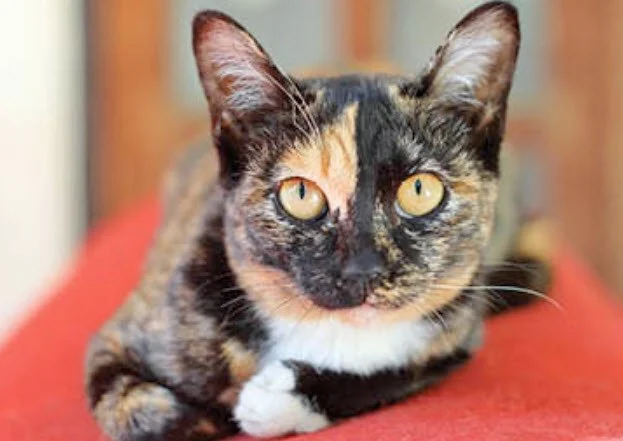
Mixed breed kittens often display unique coat patterns that don’t match a single breed standard. You might see a combination of tabby stripes with unusual color patches or varying fur lengths within the same litter.
2.2 Ear Shape and Facial Features
Purebred cats tend to have consistent facial structures. If your kitten has a blend of features—such as slightly folded ears but a long, narrow face—it may indicate mixed ancestry.
2.3 Body Structure and Growth Patterns
Mixed breed kittens may not follow predictable growth patterns. Some grow quickly, while others remain smaller, reflecting the influence of different genetic backgrounds.
3. Behavioral Clues You Should Not Ignore
Physical traits are only part of the story. Behavior can also provide insight into whether your kitten is a mixed breed.
3.1 Personality Variations
Mixed breed kittens often show a blend of personality traits. For example, your kitten might be both highly energetic and unusually calm in certain situations, which is less typical in strongly defined breeds.
3.2 Adaptability and Social Behavior
Many mixed breed cats are known for being highly adaptable. They tend to adjust quickly to new environments, making them ideal pets for families or first-time owners.
3.3 Intelligence and Curiosity
If your kitten displays a wide range of behaviors—problem-solving, playful curiosity, and independence—it could be influenced by multiple breed traits.
4. Role of Genetics and DNA Testing
For those who want a more scientific answer to how to tell if your kitten is a mixed breed, genetics can provide valuable insights.
4.1 How DNA Tests Work
Modern pet DNA tests analyze your kitten’s genetic markers and compare them with known breed databases. This can reveal whether your kitten has mixed ancestry and sometimes identify specific breed influences.
4.2 When Testing Is Worth It
If you’re curious about health risks or simply want a deeper understanding of your pet, DNA testing can be a worthwhile investment. However, it’s not always necessary for everyday care.
4.3 Limitations of Testing
It’s important to note that results may not always be 100% accurate, especially for cats with highly diverse genetic backgrounds.
5. Common Misconceptions About Kitten Breeds
Many new pet owners misunderstand what defines a breed, which can make identification confusing.
5.1 Appearance Alone Is Not Enough
Just because a kitten resembles a specific breed doesn’t mean it is purebred. Many mixed breed kittens can look similar to well-known breeds like Siamese or Maine Coon.
5.2 Shelter Labels Can Be Misleading
Shelters often label kittens based on appearance rather than confirmed lineage. This is helpful for general identification but not always precise.
5.3 Papers and Pedigree Matter
Without official pedigree documentation, it’s difficult to classify a kitten as purebred. Most household cats are, therefore, considered mixed breed by default.
6. Real Story from a Cat Owner Experience
A pet owner in Texas once adopted a kitten labeled as a “short-haired tabby.” As the kitten grew, it developed a thicker coat and a more muscular build than expected. Curious, the owner conducted a DNA test and discovered the kitten had a mix of domestic shorthair and a trace of a larger breed lineage.
This unexpected discovery didn’t change how much they loved their cat—but it did help them adjust grooming routines and diet choices. Stories like this highlight why learning how to tell if your kitten is a mixed breed can be both practical and fascinating.
7. Where to Get Help and Supplies for Your Kitten
Once you better understand your kitten’s background, providing the right care becomes much easier. From grooming tools to nutrition, choosing the right products makes a noticeable difference.
Many pet owners turn to Omnia Pet for carefully selected supplies and guidance tailored to kittens of all backgrounds. Whether your kitten is mixed breed or not, having access to reliable resources can help you raise a healthy and happy companion.
7.1 Building a Care Routine
Establish a consistent routine that includes proper feeding, playtime, and regular vet visits. Mixed breed kittens can have diverse needs, so flexibility is key.
7.2 Watching Growth and Development
Keep track of your kitten’s development over time. Changes in coat, size, and behavior can offer additional clues about their genetic background.
7.3 Embracing Their Uniqueness
At the end of the day, whether your kitten is mixed breed or purebred, what truly matters is the bond you build. Their unique traits are what make them special—and that’s something no label can define.




 New England Koi3.0 (9 reviews)
 Monarch Veterinary Hospital4.0 (188 reviews)
 Modern Animal4.0 (72 reviews)
 Legacy Animal Hospital4.0 (108 reviews)
 Petco4.0 (1000 reviews)
 Second Chance Community Veterinary Hospital4.0 (584 reviews)
 The Best Ways to Celebrate Your Cat's Birthday - Fun and Creative Ideas
 How to Keep Your Cat's Ears Clean and Mite-Free
 Why Does My Kitten Bite My Fingers? Play Aggression Explained
 How to Choose the Best Litter Box Location for Your Kitten's Needs
 How to Handle an Aggressive Dog on the Leash | Leash Training Tips
 The Proven Health Benefits of Owning a Pet