
Pet Water Bowl Routine: Clean, Refill, and Track Changes
On this page
Quick answer
Give pets continuous access to fresh water unless a veterinarian provides different instructions. Rinse and refill bowls daily, wash them with pet-safe methods, and place them where spills and contamination are easy to notice. Track sudden drinking changes, repeated empty bowls, vomiting, diarrhea, appetite changes, or urination changes and report them to a veterinarian.
Set up reliable water access
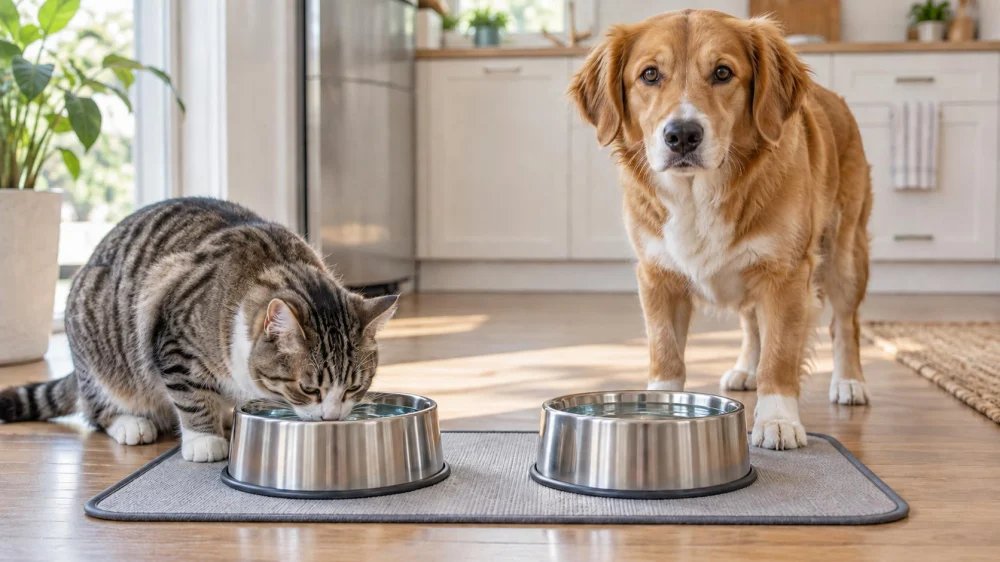
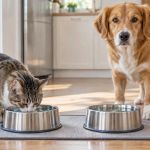
A water-bowl routine combines clean equipment, predictable placement, frequent refilling, and observation. The right amount a pet drinks varies with species, size, diet, weather, activity, age, health, medication, and whether food contains moisture.
- Choose a stable bowl sized for the animal and easy to wash.
- Place it away from litter boxes, chemicals, direct heat, and heavy foot traffic.
- Use more than one station for large homes, multiple floors, or pets that block one another.
- Check that older, small, or mobility-limited pets can reach it comfortably.
- Protect floors with a washable mat without creating a trip hazard.
For cats or pets sensitive to whisker contact, shape and depth may affect use. A veterinarian or qualified behavior professional can help when avoidance persists.

Healthy Paw Life
1820 N Glenville Dr Suite 108, Richardson, TX 75081, USA
Use a simple cleaning routine
- Discard old water and inspect the bowl for slime, food, hair, cracks, chips, or rust.
- Wash with hot water and a pet-safe dish-cleaning method appropriate for the material.
- Rinse completely so no cleaner remains.
- Dry with a clean method or refill immediately with fresh potable water.
- Clean the mat and nearby floor, then wash your hands.
Fountains need more than a top-up. Follow the maker's schedule for the pump, filter, tubing, reservoir, and hard-to-see surfaces. Unplug electrical fountains before cleaning and replace damaged cords or parts.
Observe without restricting water
Learn the pet's normal pattern instead of relying on one universal number. Note how often the bowl empties, whether water is spilled, which pet drinks, and whether weather, exercise, or diet changed. A marked container or measured refill can help a veterinarian, but shared bowls and fountains make exact intake hard to calculate.
Do not withhold water to test thirst or prevent accidents unless a veterinarian gives specific instructions. Excessive drinking can be a health signal, and restriction can create harm.
Plan for travel and multiple pets
For travel, carry familiar water when practical, a clean container, and more than the expected amount for delays. Offer water at safe stops and prevent bowls from becoming loose objects in a moving vehicle.
In multi-pet homes, spread stations so one animal cannot guard all access. Watch each pet separately when a change is suspected. If a sitter is involved, provide clear refill and cleaning instructions plus the veterinarian's contact details.
Know when to call the veterinarian
Contact a veterinarian for a clear increase or decrease in drinking, difficulty drinking, repeated bowl-emptying, new urination changes, vomiting, diarrhea, poor appetite, weight change, lethargy, or pain. Record timing, diet, medications, activity, weather, and approximate refills.
Seek urgent help for collapse, severe weakness, breathing difficulty, inability to keep water down, suspected toxin exposure, heat illness, or another rapidly worsening condition.
Important limits
This article is general pet-care guidance, not a hydration prescription or diagnosis. Species differ substantially; advice for a dog may not apply to a cat, bird, rabbit, reptile, or other animal. Follow the veterinarian's instructions for kidney, heart, endocrine, urinary, surgical, or other conditions.
Do not add flavors, electrolytes, supplements, or medications to water without veterinary direction. An altered taste can reduce intake or deliver an unreliable dose.
Frequently asked questions
How often should I wash the bowl?
Inspect it at every refill and wash it regularly, at least daily for many household bowls. Food contamination, slime, shared use, or warm conditions may require more frequent cleaning.
Is a fountain better than a bowl?
Some pets prefer moving water, but fountains still require complete cleaning and filter care. The best option is one the pet uses safely and you can maintain well.
Can pets share one bowl?
They may, but multiple stations reduce competition and make access more reliable. Separate observation is useful when illness or intake change is suspected.
Should I worry if the bowl is suddenly empty?
First check for spills and another pet's use, then refill without restricting access. Repeated unexplained emptying or other signs warrants a veterinary call.
Sources and evidence notes
The routine follows broad veterinary care principles: provide clean accessible water, maintain containers, observe changes from the individual baseline, avoid unsupervised additives or restriction, and report meaningful changes with context.
Next steps
Place stable washable bowls in accessible locations, clean them and the surrounding area, and note the pet's normal refill pattern. If drinking or urination changes, preserve water access, record relevant details, and contact the veterinarian.



 Petco4.0 (883 reviews)
 Healthy Paw Life0.0 (0 reviews)
 Aquatic Design Aquariums4.0 (372 reviews)
 Apawthecary Pet Products0.0 (0 reviews)
 JeTT Pets Club for Dogs - Plano4.0 (16 reviews)
 Hollywood Feed4.0 (390 reviews)
 Pet Water Bowl Routine: Clean, Refill, and Track Changes
 Pet Paw Cleaning After Walks: Rinse, Dry, and Inspect
 Pet Supply Delivery: Check Temperature, Seal, and Handoff
 Pet Sitter Meet-and-Greet: Observe Handling and Questions
 Pet Cough Video: Record Safely for Veterinary Review
 Pet Recovery Space: Set Up Rest After Vet Care