
Understanding Kitten Coat Length
When adopting a kitten, one of the first questions many cat owners ask is, “Will my kitten have long or short hair?” The length of a kitten’s coat is not always immediately apparent, and it can be difficult to predict with certainty. However, understanding a few key factors about genetics and the kitten's physical traits can provide clues to help you make an educated guess.
Factors Affecting Coat Length in Kittens
There are several factors that can influence whether your kitten will have long or short hair. Some of these are more easily observed than others. The most significant factors include:
- Breed: Different cat breeds have distinct coat lengths. Breeds like Persians and Maine Coons are known for their long, luxurious fur, while breeds such as Siamese and American Shorthairs tend to have short coats.
- Genetics: The genetic makeup of the kitten's parents plays a major role in determining coat length. Even if both parents have short hair, a kitten can inherit a long-haired gene, resulting in a longer coat.
- Age: Kittens' fur changes as they grow. At birth, many kittens appear to have short hair, but as they age, their fur may become longer or thicker, revealing the true nature of their coat.
The Genetics Behind Kitten Coat Length
The length of your kitten’s coat is determined by a combination of dominant and recessive genes. If the kitten inherits a dominant gene for short hair from one parent and a recessive gene for long hair from the other, the dominant short hair gene will usually determine the kitten's coat length. However, in some cases, kittens may inherit two recessive long hair genes, leading to a long-haired kitten.
Understanding the genetic potential can help you predict whether your kitten will likely have long or short hair, especially if you know the coat lengths of both parents.

How to Tell if Your Kitten Has Long or Short Hair
While it can be difficult to determine coat length early on, there are a few signs to look for as your kitten grows:
- Fur Texture: If your kitten’s fur feels soft, fluffy, and wavy as they grow, this is a sign of longer hair. Short-haired kittens typically have sleek, smooth coats that lie flat against their bodies.
- Ear Tufts: Kittens with long hair often have tufts of fur growing on their ears. These tufts are a good indicator of a longer coat as the kitten matures.
- Tail Shape: Long-haired kittens tend to have fuller, bushier tails. If your kitten’s tail starts looking thicker and fluffier as it grows, this is a good sign they may have a longer coat.
- Overall Growth: Long-haired kittens often experience a slower growth rate in terms of coat development, so by 8-12 weeks, you may notice that their fur is noticeably thicker than that of short-haired kittens of the same age.
Real-Life Examples and Stories
Many kitten owners share their experiences online, and real-life stories can provide insight into how to tell if your kitten will have long or short hair. One example involves a Maine Coon kitten that appeared to have a smooth, short coat at first but gradually began developing longer fur around 10 weeks old, much to the surprise of the owner who initially thought they had adopted a short-haired cat.
Another story comes from a Siamese kitten owner who noticed that their kitten, despite being a breed known for short hair, started sprouting tufts of fur around the ears and tail by 6 weeks. This kitten eventually grew into a longer-haired adult, though still shorter than a typical Persian.
These stories highlight how unpredictable coat length can be, even when you think you know what to expect from the kitten's breed or parents.
Caring for Your Kitten's Coat
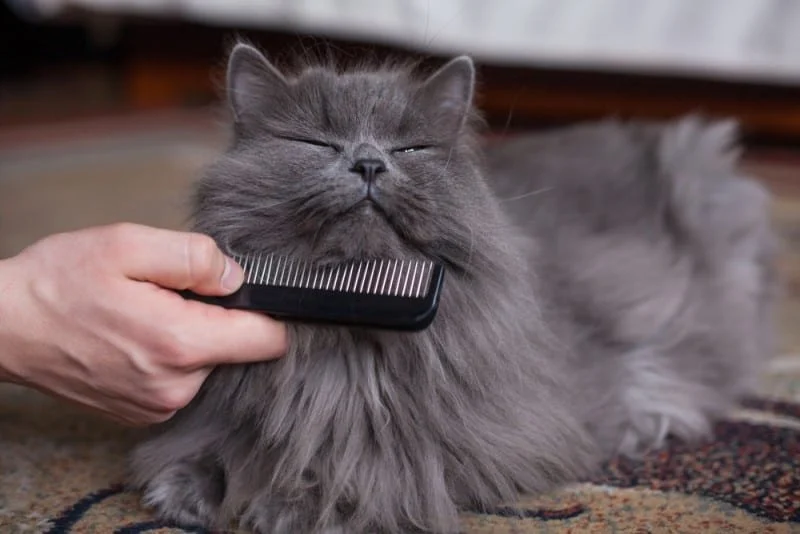
Whether your kitten turns out to have long or short hair, caring for their coat is important. Regular grooming is essential for both long-haired and short-haired kittens, as it helps prevent tangles, mats, and ensures their fur stays healthy. Long-haired kittens will require more frequent brushing to keep their coat tangle-free, while short-haired kittens can benefit from periodic grooming to remove loose fur and minimize shedding.
For grooming tools and advice tailored to your kitten’s specific coat type, check out Omnia Pet, where you'll find the best products for maintaining your kitten’s fur. From brushes to shampoos, we have everything you need to help your kitten grow into a happy, healthy adult cat!


 La Habra Exotic Pets4.0 (209 reviews)
 Pet World4.0 (571 reviews)
 Veterinary Eye Clinic5.0 (12 reviews)
 Lunenburg Veterinary Hospital4.0 (363 reviews)
 Williamsburg Animal Clinic4.0 (69 reviews)
 Mobile Equine Diagnostics, Inc.3.0 (5 reviews)
 Why Does My Kitten Bite My Fingers? Play Aggression Explained
 The Laws Surrounding Animal Testing in the US: What You Need to Know
 Why Is My Cat So Clingy All of a Sudden? Understanding Behavioral Changes
 Understanding FIV and FeLV in Cats: Transmission, Symptoms, and Care
 A Guide to Feline Pregnancy: From Birth to Kittens
 How to Introduce a New Kitten to an Older Cat Without Stress