
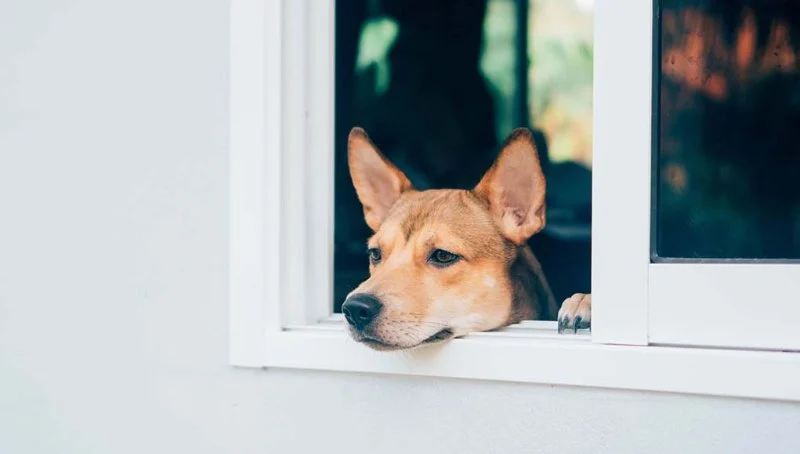
1. Understanding Separation Anxiety in Dogs
Separation anxiety is a common issue among dogs, manifesting as excessive distress when left alone. This can lead to destructive behaviors, excessive barking, and even health issues. Understanding the symptoms and underlying causes of separation anxiety is the first step in helping your dog feel more secure. Whether triggered by a change in routine, a traumatic event, or simply the absence of their owner, the good news is that with the right approach, it’s treatable.

Baystate Animal Chiropractic
HollistonMiddlesex CountyMassachusetts
307 Mill St, Holliston, MA 01746, USA
2. Tools for Treating Separation Anxiety in Dogs
Several tools are available to help alleviate your dog's anxiety when you're away. These tools can be used alongside behavioral training to create a comprehensive approach to treatment.

Dermatology for Animals - Long Island
MassapequaNassau CountyNew York
4186 Sunrise Hwy, Massapequa, NY 11758, USA
2.1 Anxiety-Reducing Products
Products such as calming collars, anxiety vests, and pheromone diffusers can significantly reduce your dog’s anxiety levels. These products provide a soothing effect that mimics the comfort of being close to their owner, helping to ease stress during separations.
2.2 Interactive Toys and Treats
Interactive toys and treat-dispensing devices are a great way to keep your dog mentally engaged while you're away. These can distract them from their anxiety and provide positive reinforcement when they are calm.
3. Training Techniques to Ease Anxiety
Training your dog to be more comfortable with being alone is key to managing separation anxiety. Gradual desensitization is an effective technique where you slowly increase the time your dog is left alone, ensuring they feel safe at each stage.
3.1 Start Small
Begin by leaving your dog alone for short periods and gradually increase the time as they become more comfortable. Make sure to always return before they get too anxious to avoid reinforcing fearful behavior.
3.2 Positive Reinforcement
Positive reinforcement is essential when training a dog with separation anxiety. Reward your dog when they remain calm during short separations, and avoid punishing them for destructive behaviors that result from anxiety.
4. When to Seek Professional Help
While many dogs can benefit from at-home training and tools, severe cases of separation anxiety may require professional intervention. A certified dog trainer or behaviorist can provide a more structured training program tailored to your dog's specific needs.
5. Products and Services for Managing Dog Anxiety
If you're looking for high-quality products to help treat your dog’s separation anxiety, check out our recommendations at Omnia Pet. We offer calming aids, anxiety-relieving toys, and expert advice tailored to your dog’s specific behavior.
6. Real-Life Case Study: Overcoming Separation Anxiety
Meet Max, a 5-year-old Labrador who struggled with severe separation anxiety after his owner moved to a new home. By using a combination of calming pheromones, gradual desensitization, and interactive toys, Max's anxiety improved significantly within two months. His owner reports that he now stays calm during short separations and is much more relaxed when they are apart.





 Islip Animal Hospital4.0 (205 reviews)
 TDBBS3.0 (27 reviews)
 Hollywood Feed4.0 (192 reviews)
 43rd Avenue Animal Hospital4.0 (424 reviews)
 FetchIQ0.0 (0 reviews)
 Howls and Meows Barkery5.0 (58 reviews)
 The Benefits of Adopting a Senior Pet vs. a Puppy or Kitten – Why Older Pets Make Great Companions
 Why Does My Kitten Have a Bald Spot? Common Causes and Treatment Options
 The Best Weaning Foods for Kittens Transitioning from Milk
 The Best Dog Breeds for Seniors and Retirees Looking for Companionship
 How to Help a Kitten with a Cold Sore
 How to Keep Your Cat's Litter Box from Smelling