
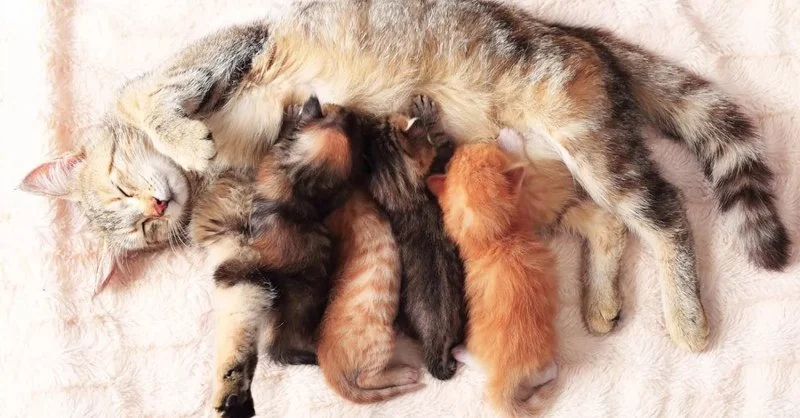
A Guide to Feline Pregnancy: From Birth to Kittens
- Understanding Feline Pregnancy
- Signs Your Cat Is Pregnant
- The Stages of Feline Pregnancy
- How to Care for a Pregnant Cat
- Preparing for Kitten Birth
Understanding Feline Pregnancy
Feline pregnancy, or "gestation," lasts around 63-65 days and is a fascinating process that requires attention and care. Cats can become pregnant as early as five months old, making it essential for cat owners to understand the signs of pregnancy and know how to support their cats during this special time. Pregnant cats go through several stages of pregnancy, each requiring different levels of care.

Phillipsburg Veterinary Clinic
PhillipsburgWarren CountyNew Jersey
581 Memorial Pkwy, Phillipsburg, NJ 08865, USA
Signs Your Cat Is Pregnant
Before diving into the details of caring for a pregnant cat, it’s important to know how to recognize the signs of pregnancy. Here are some common indicators:

Vetco Total Care Animal Hospital
RiverheadSuffolk CountyNew York
1524 Old Country Rd, Riverhead, NY 11901, USA
1. Changes in Behavior
Pregnant cats often become more affectionate or may retreat to quiet, secluded areas to rest. You may notice your cat seeking more attention or appearing unusually sleepy.
2. Changes in Appetite
Your cat may experience an increased appetite during pregnancy, as her body requires more nutrients to support the growing kittens. On the other hand, some cats may eat less in the early stages of pregnancy due to nausea.
3. Physical Changes
As pregnancy progresses, you’ll see physical changes, such as a slightly enlarged abdomen and enlarged nipples. Some cats will also develop a more noticeable "mammary gland swelling" as the body prepares for nursing.
4. Morning Sickness
Similar to human pregnancies, cats may experience mild morning sickness. If you notice your cat vomiting occasionally in the first few weeks, it’s a normal sign of pregnancy.
The Stages of Feline Pregnancy
Feline pregnancy can be divided into several key stages. Each stage comes with unique developments that you should be aware of to ensure your cat is healthy throughout the pregnancy.
1. Early Pregnancy (Days 1-21)
During the early stages of pregnancy, your cat may show no obvious signs. However, hormonal changes are occurring inside her body. Her appetite may fluctuate, and she might start showing affection or withdrawal behaviors.
2. Middle Pregnancy (Days 22-42)
By this stage, your cat’s abdomen will begin to swell, and her nipples will become enlarged and more prominent. You may also notice changes in her behavior and eating habits. This is a critical time for nutrition, so feeding her the right amount of food is essential.
3. Late Pregnancy (Days 43-63)
In the final weeks, the kittens grow rapidly, and your cat’s belly becomes more noticeable. You may be able to feel the kittens moving around, and your cat will likely seek out a quiet place to nest as she prepares for labor.
How to Care for a Pregnant Cat
Caring for a pregnant cat requires providing proper nutrition, a quiet and comfortable environment, and regular veterinary checkups. Here are some tips to ensure your cat stays healthy:
1. Provide a Balanced Diet
Feed your pregnant cat high-quality food that’s rich in protein and nutrients. Consider offering her food formulated for kittens, which will provide extra calories and nutrients for her and the developing kittens.
2. Veterinary Care
It’s essential to have regular veterinary checkups during pregnancy. A veterinarian will monitor your cat’s health and the development of the kittens, helping to address any issues that arise.
3. Create a Comfortable Space
Provide a quiet, comfortable space for your cat to rest. Make sure the area is free from stressors and distractions, as a calm environment will help her feel secure as she prepares for birth.
Preparing for Kitten Birth
As your cat’s due date approaches, it’s time to prepare for the birth of the kittens. Here are some steps to take to ensure everything goes smoothly:
1. Prepare a Birthing Area
Set up a nesting box in a quiet area of your home where your cat can give birth. Line the box with clean towels or blankets, and keep the area free from drafts and noise.
2. Monitor for Signs of Labor
As labor begins, your cat may become more restless, and she may start to pace or vocalize. Some cats may go into labor without much notice, while others may exhibit more obvious signs of discomfort.
3. Be Ready to Assist if Necessary
Most cats can give birth without any help, but it’s important to be prepared in case of complications. Keep your veterinarian’s contact information handy, and be ready to provide assistance if needed.
Once the kittens are born, provide plenty of fresh food and water for your cat, as she’ll need extra energy to nurse and care for her newborns. You can also visit Omnia Pet for helpful products to support both the mother and the kittens.






 Animal Dermatology Clinic5.0 (71 reviews)
 VCA Atwood Animal Hospital: Hopper Amy L DVM5.0 (5 reviews)
 Hope Animal Hospital3.0 (157 reviews)
 Kutztown Animal Hospital4.0 (130 reviews)
 Abshir Global Goods and Services llc0.0 (0 reviews)
 Pets Burg5.0 (29 reviews)
 How to Tell if Your Kitten is a Maine Coon Mix
 The Best Leashes and Harnesses for Taking Your Cat on Walks
 How to Train Your Cat to Use a Flushable Toilet System
 Why Does My Kitten Have a Lump on Their Belly? Understanding the Causes and Solutions
 The Top 10 Most Common Kitten Health Problems: Prevention and Care Tips
 The Economic Impact of the Pet Industry in the US