
Pet Bed Cleaning: Wash, Dry, and Check for Damage
A pet bed collects hair, skin oils, saliva, outdoor debris, moisture, and sometimes urine, vomit, fleas, or medication residue. Cleaning the cover is only part of the job. The fill, seams, zipper, non-slip base, surrounding floor, and drying time all affect whether the bed returns to use clean, dry, comfortable, and intact.
Quick answer
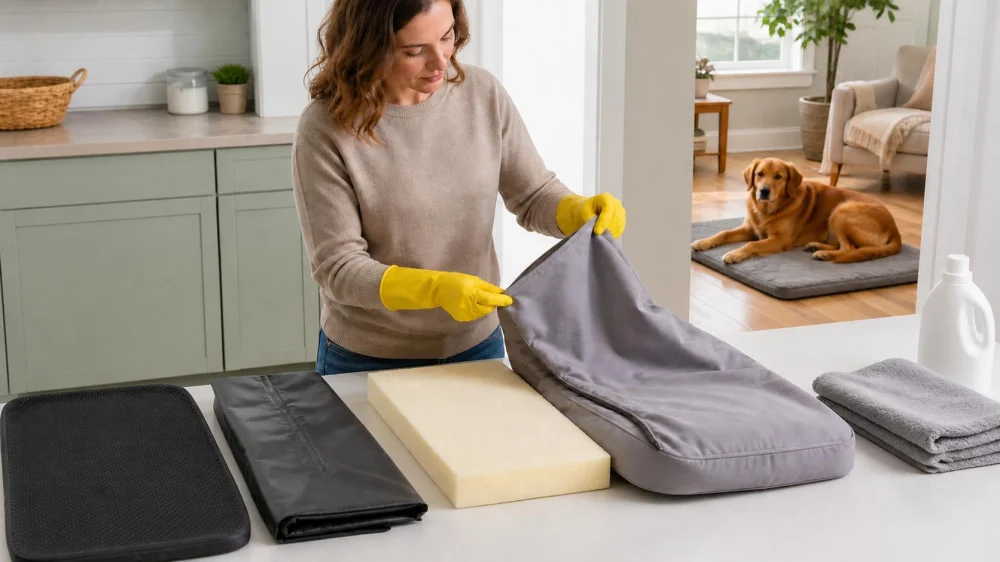
Check the manufacturer’s label, remove loose hair outdoors or in an easy-to-clean area, and separate removable components. Wash only the pieces and at the temperature the label allows, using pet-appropriate unscented products when needed. Rinse thoroughly and dry the cover and fill completely before reassembly. Replace a bed with exposed foam, loose threads, damaged zippers, sharp parts, mildew, persistent contamination, or material the pet chews or swallows.

Read the care label first
Photograph the label before it fades. Identify which parts are machine washable, hand washable, spot clean only, or not washable. Note water temperature, detergent, bleach restrictions, dryer setting, line-drying directions, and whether memory foam or a waterproof liner must be removed.
Do not assume a removable cover means the insert can enter a washer. Foam can tear, hold water, deform, or damage the machine. Cedar, orthopedic layers, heating elements, cooling gel, electronics, and water-resistant coatings need product-specific care.
If the label is missing, contact the manufacturer with the model and materials. Test any spot cleaner on an inconspicuous area and keep the pet away until the product is removed or dry as directed.
Prepare without spreading debris
Move the pet to another comfortable area. Wear gloves for urine, feces, vomit, blood, pest debris, or unknown contamination. Wash hands after handling, even if gloves were used.
Vacuum loose hair and grit using a tool reserved or cleaned for the task, or shake the cover outdoors where debris will not affect neighbors or wildlife. Avoid vigorous shaking inside because it redistributes dander and dust.
Close hook-and-loop tabs, open zippers as directed, and check pockets and seams for toys, treats, tags, batteries, medication, or sharp fragments. Remove excess soil before placing the item in a household washer.
Wash the cover and insert correctly
Follow the label’s load size and cycle. An oversized bed can unbalance a washer and may not rinse thoroughly. Use a commercial machine of suitable capacity if the manufacturer permits it, and check the facility’s pet-item policy.
Choose a detergent suitable for the material and the pet. Strong fragrances, essential oils, disinfectants, fabric softeners, and homemade mixtures can irritate pets or damage finishes. Never combine bleach with ammonia, acids, or other cleaners.
Use an extra rinse when allowed if residue remains. Clean the washer gasket, filter, and drum after heavily soiled pet items according to the appliance instructions. Wash human food-preparation textiles separately.
Dry every layer fully
Press or blot water according to the material; twisting foam can tear it. Reshape fill while damp if instructions allow. Use the labeled dryer setting or dry flat in a well-ventilated secure area where pets cannot chew the item.
Thick bolsters and foam can feel dry outside while retaining moisture inside. Check seams, corners, the center of padding, and the underside. Rotate and allow additional time. Do not return a damp bed to a crate or place it against a wall.
High heat can shrink covers, melt non-slip backing, degrade waterproof layers, or make foam unsafe. Do not speed drying with an unattended space heater, hair dryer, oven, or open flame.
Inspect for chewing and damage
Before reassembly, inspect seams, zipper teeth and pull, piping, buttons, non-slip dots, foam, stuffing, and the base. Cut-off threads can unravel further if not properly repaired; loose pieces can become choking or intestinal hazards.
Replace the bed if the pet repeatedly reaches and swallows fill, the zipper cannot be secured, foam crumbles, wire or a heating component is exposed, the base slides, or structure no longer supports the pet. Repair only with materials and methods appropriate for pet contact.
Reassemble exactly as designed. Keep zipper pulls tucked into the provided pocket and ensure waterproof liners lie flat without trapping moisture.
Handle accidents, pests, and illness
Blot fresh liquid without rubbing it deeper. Use an enzymatic or other pet-specific product only when compatible with the bed and follow its contact, rinse, and drying directions. A lingering odor can indicate contamination remains within un-washable fill.
For fleas, ticks, ringworm, parasites, or contagious illness, contact a veterinarian for a treatment and environmental-cleaning plan. Washing the bed alone may not address the pet, household, other animals, or life stages in the environment.
Dispose of heavily contaminated or pest-infested bedding as directed locally, sealed so other animals cannot access it. Clean surrounding floors and crate surfaces with compatible products and never apply a pesticide to bedding unless its label specifically permits that use.
Set a practical cleaning routine
Inspect daily for moisture, debris, damage, and unusual odor. Vacuum or remove hair as needed and wash according to the product label, household allergy needs, the pet’s coat and skin, outdoor exposure, accidents, and health status.
Use a washable top blanket when appropriate to reduce wear, but do not create loose layers that a pet chews, bunches, or becomes tangled in. Keep a second clean sleeping surface available while the main bed dries.
Place the bed on a dry stable floor away from direct heat, damp walls, blocked vents, cords, and busy doorways. Lift it regularly to clean and check underneath.
Frequently asked questions
Can I wash a foam insert?
Only if the manufacturer says how. Many foams need spot cleaning and careful air drying rather than machine washing.
Why does the bed still smell after washing?
Soil may remain in the insert or the bed may not be dry. Recheck instructions and replace material that cannot be cleaned fully.
Can I use essential oils for fragrance?
Do not add them casually. Some are unsafe or irritating to pets; use only veterinarian-approved, product-compatible methods.
When should I replace the whole bed?
Replace it for exposed or swallowed fill, broken hardware, persistent dampness or contamination, mildew, lost support, or unsafe fit.
Next steps
Photograph the care label, take the bed apart, remove hair, wash only approved components, and allow every layer to dry completely. Inspect the cover, fill, zipper, and base before reassembly, then clean the floor underneath and record the next check.




 8888 Tropical Fish3.0 (28 reviews)
 Veterinary Cancer Group SFV, A Thrive Pet Healthcare Partner4.0 (123 reviews)
 Snuggles Snacks5.0 (3 reviews)
 Southgate Animal Hospital4.0 (236 reviews)
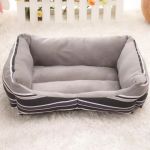 Puppy Time3.0 (2 reviews)
 One Love Veterinary Clinic @ Chelwayne4.0 (304 reviews)
 How to Introduce a New Puppy to Your Resident Cat: A Step-by-Step Guide
 A Guide to Feline Nutrition: Reading Cat Food Labels
 The Best Puzzle Feeders for Cats to Slow Down Eating
 How to Make Your Own Pet First Aid Kit at Home for Emergencies
 The Top 10 Rare Cat Breeds You've Never Heard Of
 The Best Cat Tree for a Kitten's Agility Training | Omnia Pet