Local Pet Store Starter Supplies Checklist
On this page
Quick answer
A good starter pet supply trip focuses on essentials first: safe food and water bowls, appropriate food, a collar or harness, leash, ID tag, bed, crate or carrier when needed, grooming basics, waste supplies, and a few safe toys. Ask your veterinarian about diet, supplements, and health-specific products before relying on store advice alone.
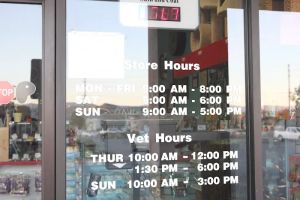
Pet Stop Veterinary Outpatient
Santa ClaritaLos Angeles CountyCalifornia
26870 Sierra Hwy, Santa Clarita, CA 91321, USA
What starter supplies mean
Starter supplies are the basic items that help a new pet eat, sleep, move safely, stay clean, and settle into a home. They are not the same as every cute accessory in the aisle.
Buying fewer, better-matched essentials usually works better than filling a cart with products your pet may not need. Size, age, breed, chewing style, medical needs, and home layout all affect what belongs on the list.

Beach Animal Rehabilitation
TorranceLos Angeles CountyCalifornia
18545 Hawthorne Blvd, Torrance, CA 90504, USA
Core supplies to compare
- Bowls: choose stable, easy-to-clean food and water bowls sized for the pet.
- Collar, harness, and leash: fit matters more than color. Ask for sizing help if needed.
- ID tag: a simple identification tag supports safe return if your pet gets loose.
- Bed or resting area: look for washable materials and a size that allows comfortable stretching.
- Carrier or crate: useful for travel, vet visits, and safe confinement when introduced properly.
- Grooming basics: brush, nail tools, pet-safe wipes, and shampoo should match coat type and species.
- Toys: pick durable, size-appropriate toys and avoid pieces that can be swallowed.
- Waste supplies: bags, litter, scoopers, pads, or cleaning products depend on the pet.
Food and treat questions
Food decisions deserve care. If the pet is coming from a shelter, breeder, rescue, or previous home, ask what they currently eat and whether a gradual transition is recommended. Sudden diet changes can upset digestion for some animals.
Ask your veterinarian before choosing medical diets, supplements, weight-loss foods, puppy or kitten formulas for special cases, or products marketed for health conditions. Treats should be small, species-appropriate, and counted as part of the overall diet.
How to choose a local pet store
A helpful local pet store is organized, clean, transparent about product categories, and willing to say when a vet question is outside its role. Look for staff who ask about your pet’s age, size, habits, and needs before recommending products.
Practical details also matter: location, hours, return policy, product availability, grooming services, delivery options, and whether the store carries supplies for your specific pet type.
Best for and not ideal for
This checklist is best for new dog or cat owners, adopters, foster families, and anyone comparing local pet stores in the United States.
It is not ideal for diagnosing health problems, choosing prescription diets, treating behavior issues, or replacing veterinary advice.
Shopping checklist
- Write down your pet’s age, weight, species, and known health needs.
- Buy food and water essentials before accessories.
- Measure for collars, harnesses, crates, and beds.
- Choose washable, durable materials when possible.
- Pick a few safe toys instead of many untested ones.
- Ask about return policies for sizing problems.
- Save receipts until you know what fits and works.
Important notes
- This article is general pet-care shopping information, not veterinary advice.
- Small parts, strings, rawhide-style chews, and hard toys may not be safe for every pet.
- Products labeled natural or premium are not automatically right for your animal.
- Contact a veterinarian promptly for vomiting, diarrhea, breathing issues, pain, injury, or sudden behavior changes.
FAQ
What should I buy before bringing a new dog home?
Start with food and water bowls, current food, leash, collar or harness, ID tag, bed, crate or safe area, waste bags, grooming basics, and a few safe toys.
Should I buy pet food from a local store or online?
Either can work. A local store can help with sizing, product comparisons, and urgent supply needs, while online ordering may help with repeat purchases.
How do I know if a toy is safe?
Match the toy to your pet’s size and chewing style. Avoid toys that break into swallowable pieces, and supervise new toys until you understand how your pet uses them.
Can pet store staff give medical advice?
They can explain products, but medical advice should come from a veterinarian who knows your pet’s health history.
Evidence notes
This guidance reflects common pet-care intake principles: start with safety, fit, hygiene, nutrition questions, and veterinary boundaries before buying optional accessories.
Next steps
Make a short list before visiting a local pet store, measure your pet when possible, and ask staff for fit help. For food, supplements, or health-related products, confirm the plan with your veterinarian.






 BluePearl Pet Hospital3.0 (657 reviews)
 Critters 'N Crawlies LLC5.0 (1 reviews)
 Walker Street Dog & Cat Hospital3.0 (23 reviews)
 Creative Aquariums of Tampa4.0 (163 reviews)
 Hollywood Feed4.0 (544 reviews)
 Petco4.0 (1142 reviews)
 How to Train Your Kitten to Use a Flushable Litter Box
 How to Train Your Kitten to Play Dead
 Why Does My Cat Bite Me Gently? Love Bites Explained
 The Best Diet for a Bengal Kitten's Wild Ancestry
 How to Stop a Kitten from Clawing at Window Screens
 Best Holiday Gifts for Dog and Cat Lovers | Gift Ideas for Pet Owners