
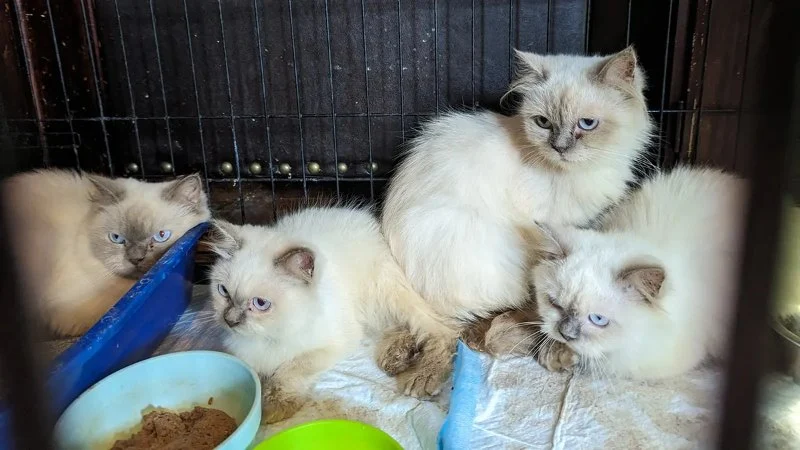
- fur-nutrition-basics - how diet affects Himalayan kitten coat growth
- key-nutrients-coat-health - proteins, fats, vitamins
- feeding-strategies - portioning and kitten growth stages
- common-diet-mistakes - what harms long fur development
- real-case-growth-story - Himalayan kitten coat transformation
- expert-care-insights - professional feline nutrition advice
Why Diet Matters So Much for a Himalayan Kitten’s Long Fur
A Himalayan kitten’s beauty is impossible to ignore—silky, flowing fur, deep blue eyes, and a calm expression that feels almost regal. But what many new cat owners don’t realize is that this iconic long coat is not just genetics. The foundation of a healthy, luxurious coat starts in the food bowl. The best diet for a Himalayan kitten’s long fur directly influences texture, shine, shedding levels, and even skin health beneath the coat.
Unlike short-haired breeds, Himalayans and other Persian-type cats require a nutrient-rich, carefully balanced diet from kittenhood. Without the right nutrition, even the most genetically promising kitten may develop a dull coat, matting issues, or excessive shedding later in life.
Core Nutrients That Build a Healthy Long Coat
High-quality protein as the foundation of fur growth
Protein is the building block of hair. A Himalayan kitten’s fur grows continuously, meaning the body needs a constant supply of amino acids. High protein kitten food supports keratin production, which directly strengthens each strand of fur.
Veterinary nutritionists often recommend diets where animal-based protein is the first listed ingredient. Chicken, turkey, and salmon are particularly effective for coat development because they contain complete amino acid profiles.

Carefree Dentistry and Oral Surgery for Animals
3134 W Carefree Hwy a 1, Phoenix, AZ 85086, USA
Omega fatty acids for shine and softness
Omega-3 and Omega-6 fatty acids play a crucial role in maintaining skin hydration and coat glossiness. Without them, even a well-groomed Himalayan kitten may develop dry, brittle fur that tangles easily.
Fish oils, flaxseed oil, and specially formulated kitten foods enriched with these nutrients help maintain that signature silky texture that Himalayan cats are known for.
Vitamins and minerals that support coat strength
Vitamins A, E, and B-complex vitamins contribute to skin regeneration and hair follicle health. Zinc and biotin are also essential for reducing shedding and preventing fur thinning.
Deficiencies in these nutrients often show first in the coat before affecting overall health, making them a critical part of kitten nutrition for long fur maintenance.
Feeding Strategies for Optimal Coat Development
Consistent feeding schedules for stable growth
Kittens thrive on routine. Feeding at consistent times helps regulate metabolism and ensures steady nutrient absorption. For Himalayan kittens, this consistency supports continuous fur development without stress-related shedding.
Age-based portion adjustments
As kittens grow, their caloric and nutritional needs shift. Early stages require higher protein density, while later stages benefit from balanced fat-to-protein ratios that support both growth and coat maintenance.
Overfeeding or underfeeding can both negatively impact coat quality, leading to either greasy fur or dry, sparse growth patterns.
Hydration as an overlooked factor
Water intake plays a surprisingly important role in coat health. Dehydration can cause dry skin, which directly affects fur texture. Wet food or water fountains can encourage better hydration habits in Himalayan kittens.
Common Feeding Mistakes That Harm Long Fur Development
Low-quality fillers in commercial food
Many inexpensive cat foods contain fillers like corn or wheat that provide calories but little nutritional value. These ingredients may fill the stomach but do not contribute to coat health, leading to dull and brittle fur over time.
Ignoring breed-specific needs
Not all kitten foods are created equal. Himalayan kittens have unique grooming and dietary needs compared to short-haired breeds. Generic diets often fail to provide the fatty acids and protein levels required for optimal coat development.
Over-reliance on dry food only
A dry-only diet can sometimes lack sufficient moisture and fat content. Combining wet and dry food often provides a better nutrient balance and supports both hydration and coat shine.
Real Case: A Himalayan Kitten’s Coat Transformation Through Diet
A cat owner in California adopted a Himalayan kitten that initially had uneven fur growth and a slightly coarse texture. The kitten was fed a basic commercial diet without breed-specific formulation. Within a few months, the coat began to lose its softness, and matting became frequent despite regular grooming.
After consulting a feline nutrition specialist, the diet was changed to a high-protein kitten formula enriched with Omega-3 fatty acids and biotin. Within eight weeks, visible improvements appeared—fur became smoother, shedding reduced, and the coat developed a noticeable shine.
This transformation highlights a simple truth: nutrition can dramatically influence coat quality, even in genetically predisposed breeds like Himalayans.
Expert Insights on Maintaining Long Fur Health
Veterinarians and feline nutrition experts consistently emphasize that coat health reflects internal health. A dull or brittle coat often signals nutritional imbalance before any other symptoms appear.
Regular dietary evaluation is recommended as kittens grow. Adjusting food based on age, activity level, and coat condition ensures continuous improvement in fur quality.
Experts at Omnia Pet often highlight the importance of combining nutrition with grooming routines. Even the best diet works more effectively when paired with consistent brushing and coat care practices.
Long-Term Nutrition Habits That Support Lifelong Coat Beauty
The habits formed during kittenhood often determine adult coat quality. Establishing a nutrient-rich diet early ensures that the Himalayan cat develops a dense, silky coat that is easier to maintain in adulthood.
Balanced feeding, hydration awareness, and periodic diet adjustments create a foundation for lifelong coat health. Once these habits are established, grooming becomes easier, shedding is reduced, and the coat remains naturally vibrant.
 St Francis Animal Hospital4.0 (155 reviews)
 Pet Supermarket4.0 (716 reviews)
 Pet Supermarket4.0 (207 reviews)
 Eye Care for Animals - Avondale4.0 (203 reviews)
 Phoenix Dog Cat Bird Hospital4.0 (791 reviews)
 Granada Veterinary Clinic4.0 (157 reviews)
 Why Do Kittens Have Blue Eyes at First?
 The Best ID Microchip for a Kitten's Safety | Omnia Pet
 The Best Diet for a Russian Blue Kitten's Shiny Coat
 What Does It Mean When Your Cat Winks? A Guide to Understanding Cat Behavior
 The Best Toys for a Kitten's Teething Pain - Omnia Pet
 Why Is My Dog Drinking So Much Water? Potential Health Issues and What to Do