
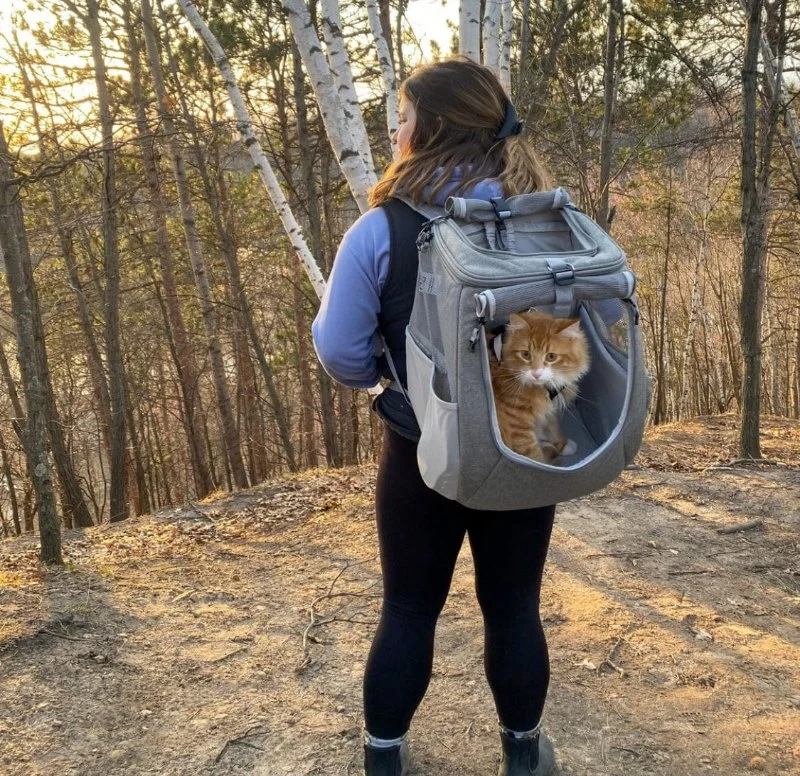
- understanding-kitten-behavior-before-backpack-introduction - curiosity-fear-response-sensory-adaptation
- choosing-the-right-cat-backpack-for-training - ventilation-comfort-safety-features
- step-by-step-introduction-process - scent-familiarization-short-sessions-positive-association
- building-positive-association-with-travel-gear - treats-toys-safe-spaces-reward-training
- common-mistakes-owners-make - forcing-entry-overstimulation-lack-of-patience
- real-life-case-of-successful-backpack-training - gradual-adaptation-story-analysis
- long-term-travel-readiness-for-kittens - outdoor-trips-vet-visits-lifestyle-integration
Understanding How Kittens React to New Travel Environments
Introducing a kitten to a cat backpack is not just a training task—it is a behavioral transition. Kittens are naturally curious, but they are also sensitive to sudden changes in environment, smell, and movement. This combination means that first impressions matter a great deal when learning how to introduce your kitten to a cat backpack.
Many owners assume kittens will automatically accept a carrier because they are young. In reality, kittens can develop strong associations in their early months, which means a negative first experience may lead to long-term resistance to travel gear.

How Kittens Perceive New Objects
Kittens rely heavily on scent and texture to evaluate safety. A backpack that smells unfamiliar or feels enclosed can trigger hesitation. On the other hand, if introduced gradually, the same backpack can become a comforting space that signals exploration and safety.
One common observation among pet behavior specialists is that kittens often approach new objects with a “pause and retreat” pattern before curiosity takes over. Understanding this rhythm is key to successful introduction.

Choosing the Right Cat Backpack for a Smooth Introduction
The success of kitten backpack training begins before the kitten even sees the carrier. The design, structure, and comfort level of the backpack directly influence how quickly your kitten adapts.
Key Features That Matter Most
1. Proper ventilation to reduce anxiety and overheating
2. Transparent or semi-open panels for visual comfort
3. Soft internal padding for resting comfort
4. Secure closures to ensure safety during movement
A well-designed cat backpack creates a sense of visibility without confinement. This balance is essential when learning kitten backpack training techniques that prioritize emotional comfort.
At Omnia Pet, many pet owners look for travel-friendly designs that support gradual introduction rather than forcing immediate confinement. The right gear makes the entire process smoother from the start.
Step-by-Step Process to Introduce a Kitten to a Backpack
The most effective method for introducing a kitten to a cat backpack is gradual exposure. Rushing the process often leads to fear-based avoidance, while slow conditioning builds trust and curiosity.
Phase One: Familiar Scent Introduction
Start by placing the backpack in the kitten’s environment without any pressure. Leave it open in a familiar room so the kitten can explore it on its own terms. This allows natural scent association to develop.
It is common for kittens to ignore the backpack for the first few hours or even days. This is normal behavior and should not be rushed.
Phase Two: Encouraging Exploration
Once the kitten shows curiosity, place treats or toys near the entrance of the backpack. The goal is not to force entry, but to create positive association.
Some owners report success by placing a soft blanket with the kitten’s scent inside, turning the backpack into a familiar resting spot rather than a foreign object.
Phase Three: Short Entry Sessions
After comfort is established, gently encourage short periods inside the backpack. These sessions should be brief—just a few minutes—and always paired with positive reinforcement such as treats or gentle praise.
Building Positive Emotional Association With the Backpack
Training a kitten to accept a backpack is not only physical conditioning but also emotional conditioning. The goal is to ensure that the backpack becomes associated with safety rather than stress.
Using Rewards Effectively
Rewards should be immediate and consistent. Every positive interaction with the backpack should be reinforced so the kitten builds a predictable emotional response.
For example, one pet owner shared a story of a rescue kitten named Milo who initially hid whenever the backpack appeared. After two weeks of treat-based introduction, Milo began voluntarily entering the backpack whenever it was placed on the floor.
Common Mistakes in Cat Backpack Introduction
Many pet owners unintentionally slow down the training process by making avoidable mistakes. Understanding these helps ensure smoother progress when learning how to introduce your kitten to a cat backpack.
Forcing the Kitten Inside
This is the most common mistake. Forcing creates fear and can permanently damage the kitten’s trust in the backpack.
Overstimulating the Environment
Loud noises, multiple distractions, or sudden movements during training sessions can overwhelm the kitten and reset progress.
Lack of Consistency
Irregular training sessions confuse the kitten. Consistency builds predictability, which is essential for behavioral conditioning.
Real-Life Example of Successful Backpack Training
A pet owner in California documented the process of introducing a shy kitten named Luna to a travel backpack. Initially, Luna would only observe the backpack from a distance. After one week of gradual exposure, she began sitting near it. By the third week, she was entering it voluntarily for short naps.
By the time Luna had her first outdoor trip, she remained calm and even looked out of the mesh window with curiosity instead of fear. This transformation highlights the importance of patience and structured introduction.
Preparing for Long-Term Travel Comfort and Confidence
Once your kitten is comfortable with the backpack, it becomes possible to integrate it into everyday routines. This includes short walks, vet visits, and eventually longer travel experiences.
Building Travel Routine Habits
Consistency helps reinforce comfort. Using the backpack occasionally—even without travel—keeps the association neutral or positive.
Over time, the backpack becomes less of a “container” and more of a familiar safe space, which is essential for stress-free travel experiences.
For pet owners exploring reliable gear and training support, Omnia Pet offers resources that help ensure both safety and comfort during every stage of kitten travel preparation.



 St Francis Animal Hospital4.0 (155 reviews)
 Pet Supermarket4.0 (716 reviews)
 Pet Supermarket4.0 (207 reviews)
 Eye Care for Animals - Avondale4.0 (203 reviews)
 Phoenix Dog Cat Bird Hospital4.0 (791 reviews)
 Granada Veterinary Clinic4.0 (157 reviews)
 Why Do Kittens Have Blue Eyes at First?
 The Best ID Microchip for a Kitten's Safety | Omnia Pet
 The Best Diet for a Russian Blue Kitten's Shiny Coat
 What Does It Mean When Your Cat Winks? A Guide to Understanding Cat Behavior
 The Best Toys for a Kitten's Teething Pain - Omnia Pet
 Why Is My Dog Drinking So Much Water? Potential Health Issues and What to Do