
- paw-color-overview - Understanding why kittens have pink and black paw pads
- genetic-factors - How genetics influence paw pigmentation in kittens
- health-indicators - What paw pad colors can reveal about your kitten's health
- caring-for-paws - Tips for keeping your kitten’s paws healthy and protected
- real-life-stories - Examples from cat owners and veterinarians about paw color variations
Understanding the Pink and Black Coloring in Kitten Paws
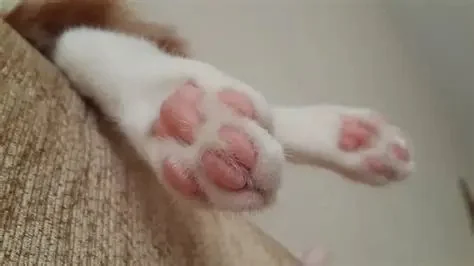
If you’ve recently noticed that your kitten’s paw pads are a mix of pink and black, you might be curious or even concerned. In most cases, this variation is perfectly normal and relates to pigmentation patterns that develop as your kitten grows.
Paw pad color in kittens can vary based on breed, coat color, and genetic factors. Many kittens are born with lighter pads that gradually darken as they age, while some retain a mix of pink and black patches throughout their lives. These unique combinations often contribute to a kitten’s charm and individuality.

Genetic Factors That Influence Paw Pigmentation
The primary reason for the mix of pink and black on kitten paws is genetics. Just as coat colors and patterns are inherited from parents, paw pad coloration follows a similar genetic pattern.

Community Veterinary Clinic
FairfieldGreater Bridgeport Planning RegionConnecticut
136 Fairfield Woods Rd, Fairfield, CT 06825, USA
1. Coat Color Correlation
Certain coat colors are strongly linked with specific paw pad colors. For example, orange tabbies often have pink pads, while black or dark-colored cats may have black pads. Mixed-color kittens may show a combination of pink and black on their paws.
2. Breed-Specific Traits
Some cat breeds, like Siamese or tortoiseshells, frequently exhibit multi-colored paws. The genetic blueprint for pigment cells in these breeds leads to fascinating patterns on both the fur and the paw pads.
3. Random Pigmentation
Even within a single litter, kittens may show differences in paw color due to how pigment cells migrate during development. It’s normal for siblings to have distinctly different paw pads.
What Paw Pad Colors Can Reveal About Kitten Health
While most pink and black coloring is harmless, paw pads can sometimes indicate health conditions or developmental changes. Observing paw texture, color, and condition is important for early detection of issues.
1. Consistent Color Changes
A gradual darkening or lightening of paw pads is generally normal. Sudden changes, especially accompanied by swelling or sores, may indicate injury, infection, or an allergic reaction.
2. Signs of Infection or Injury
Redness, unusual warmth, or soft spots can signal bacterial or fungal infections. In such cases, consulting a veterinarian is crucial to prevent complications.
3. Nutritional and Environmental Factors
Proper diet and hydration support healthy skin and paw pads. Dry, cracked, or discolored pads may reflect nutritional deficiencies or exposure to harsh surfaces.
Caring for Your Kitten’s Paws
Routine care helps maintain paw health and ensures your kitten stays comfortable as they explore their surroundings. Here are some practical tips:
1. Regular Inspection
Check paws at least once a week for cuts, abrasions, or unusual coloring. Pay attention to soft pads and any signs of infection or swelling.
2. Cleanliness
Gently wipe paws with a damp cloth after outdoor play or litter box use. Avoid harsh soaps that can irritate sensitive skin.
3. Safe Play Surfaces
Use soft mats or rugs indoors and avoid rough surfaces outdoors. This reduces the risk of injury and helps maintain paw pad integrity.
4. Moisturizing When Needed
If your kitten develops dry or cracked pads, use a pet-safe moisturizer recommended by your veterinarian. Never apply human lotions to kitten paws.
Real-Life Stories of Pink and Black Paw Pads
Many cat owners share similar observations online. For example, a kitten named Luna displayed pink and black pads on all four paws. Her owners were initially concerned, but their veterinarian confirmed it was a natural pigmentation pattern, especially common in tortoiseshell cats.
Another case involved a black-and-white kitten whose pads gradually darkened from fully pink at birth to pink with black spots over several months. This change was purely cosmetic, and Luna remained healthy and active throughout.
Observing these patterns helps owners appreciate the natural variation in feline paw colors while also learning when to seek professional guidance if irregularities appear.
When to Consult a Veterinarian
Although most color variations are harmless, certain signs warrant professional attention:
1. Sudden discoloration accompanied by swelling or pain
This could indicate trauma or infection that needs immediate care.
2. Sores, bleeding, or pus
Visible lesions may require antibiotics or other treatment.
3. Changes in walking or behavior
If your kitten limps or seems reluctant to walk, paw pain or discomfort may be involved.
For trusted guidance and resources, Omnia Pet provides comprehensive kitten care advice, including product recommendations for paw health, safe moisturizers, and protective gear.
Conclusion
Pink and black paw pads in kittens are usually a normal, genetically-driven variation that adds to each kitten’s uniqueness. By observing paw condition, providing regular care, and consulting a veterinarian when unusual signs appear, owners can ensure their kittens grow healthy and strong. Proper attention to paw health not only prevents potential problems but also strengthens the bond between pet and owner.




 ChewMax Pet Products4.0 (17 reviews)
 Las Dos Arelis Pet Shop & Exotic Birds2.0 (15 reviews)
 Petco4.0 (638 reviews)
 Veterinary Eye Center - Massachusetts5.0 (162 reviews)
 Las vegas poodles4.0 (4 reviews)
 The Waters Edge Aquarium4.0 (187 reviews)
 How to Tell if Your Kitten is Too Skinny: Signs and Solutions
 How to Recognize Normal vs Aggressive Kitten Play Fighting
 Understanding Kitten Neutering and Spaying: Best Age for Your Pet
 A Guide to Feline Cancer: Common Types and Symptoms Every Cat Owner Should Know
 The Best DIY Cat Toys You Can Make in 5 Minutes
 The Best Cat Trees for Energetic Kittens to Climb