
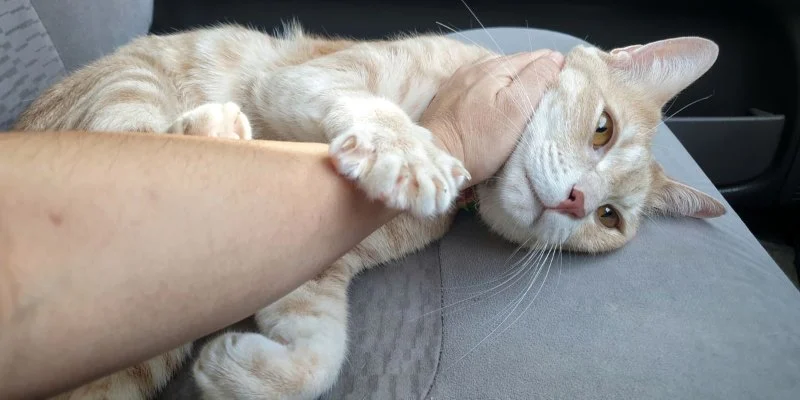
- Understanding Cat Kneading Behavior - instinct vs emotional expression
- Kitten Origins of Kneading - nursing memory and comfort association
- Why Cats Knead Humans Specifically - bonding and scent marking
- Emotional Triggers Behind Kneading - stress relief and comfort seeking
- Real-Life Cat Owner Stories - everyday kneading experiences explained
- When Kneading Becomes Excessive - behavioral signals to watch
- How to Respond to Kneading Safely - managing claws and comfort
- Differences Between Cats and Breeds in Kneading Frequency - behavioral variation
- Scientific Insights Into Feline Behavior - what veterinarians observe
- How Omnia Pet Helps Cat Owners Understand Behavior Better - practical support
Understanding Cat Kneading Behavior
When exploring Why Does My Cat Knead Me? The Surprising Reasons Behind This Behavior, the first thing to understand is that kneading is one of the most natural and instinct-driven behaviors in cats. It often looks like a rhythmic pushing motion with their paws, usually alternating left and right, and is commonly directed at soft surfaces like blankets, pillows, or even their human companions.
At first glance, it may seem random or purely playful, but kneading actually carries deep emotional and biological meaning. It is one of the earliest behaviors kittens develop, and it often carries into adulthood as a form of comfort expression and emotional grounding.
Many cat owners in the U.S. report that kneading happens most frequently when their cat is relaxed, such as during bedtime or while sitting on a lap. This timing is not accidental—it reflects a strong association between safety, trust, and comfort.

Desert Mountain Equine
Queen CreekMaricopa CountyArizona
24760 S Ellsworth Rd, Queen Creek, AZ 85142, USA
Kitten Origins of Kneading
A major part of understanding Why Does My Cat Knead Me? The Surprising Reasons Behind This Behavior lies in early kitten development. Kneading begins when kittens nurse from their mother. The rhythmic paw motion helps stimulate milk flow, creating a strong association between movement and nourishment.
Even after weaning, many cats retain this behavior as a comforting memory. It becomes a self-soothing mechanism that reminds them of safety, warmth, and maternal care.
Veterinarians often describe kneading as a “neonatal carryover behavior,” meaning it originates in infancy but continues into adulthood because it is emotionally reinforcing.
This explains why adult cats may knead soft blankets or their owner’s lap—they are unconsciously recreating a feeling of early-life security.

Why Cats Knead Humans Specifically
One of the most fascinating parts of Why Does My Cat Knead Me? The Surprising Reasons Behind This Behavior is why cats often choose humans rather than just blankets or furniture. The answer lies in bonding and scent recognition.
Cats have scent glands in their paws, and kneading helps them mark territory in a subtle, non-aggressive way. When your cat kneads you, it is essentially mixing comfort behavior with a form of affectionate marking.
More importantly, cats knead humans they trust. If your cat chooses your lap or chest, it is a strong sign of emotional security. They associate you with safety, warmth, and consistency.
In multi-pet households, owners often notice that kneading behavior is reserved for one or two specific individuals. This selective behavior highlights the depth of feline bonding.
Emotional Triggers Behind Kneading
Emotions play a major role in Why Does My Cat Knead Me? The Surprising Reasons Behind This Behavior. Kneading is often triggered by positive emotional states such as relaxation, contentment, or affection.
Many cats begin kneading when they are being petted, especially during quiet bonding moments. It can also occur before sleep, as a way to self-soothe and prepare for rest.
However, kneading is not always purely happy. In some cases, it can be a coping mechanism for mild stress or environmental change. For example, a cat adjusting to a new home may knead more frequently as a way to reestablish emotional stability.
Understanding these emotional cues helps owners respond more appropriately and strengthen their bond with their pets.
Real-Life Cat Owner Stories
Across the United States, cat owners share countless stories that help illustrate Why Does My Cat Knead Me? The Surprising Reasons Behind This Behavior. One common story involves cats kneading their owners every night before falling asleep.
For example, a cat owner in Chicago described how their rescue cat, after months of adjustment, began kneading their blanket every evening at the same time. Initially unsure of the behavior, they later realized it was a sign of trust and emotional bonding.
Another story from California involved a kitten that would knead its owner’s chest while purring loudly during morning coffee time. Over time, this became a shared ritual that strengthened their relationship.
These everyday experiences show that kneading is not random—it is deeply tied to emotional routines and human-animal connection.
When Kneading Becomes Excessive
While kneading is normal, understanding Why Does My Cat Knead Me? The Surprising Reasons Behind This Behavior also involves recognizing when it becomes excessive. Over-kneading may indicate heightened anxiety or environmental stress.
If a cat kneads constantly without relaxation cues, it may be reacting to changes such as moving homes, introducing new pets, or shifts in household routine.
In rare cases, excessive kneading can also be linked to compulsive behavior patterns. In such situations, consulting a veterinarian or animal behaviorist is recommended.
However, in most cases, kneading remains a harmless and affectionate behavior rather than a medical concern.
How to Respond to Kneading Safely
For many owners, a practical concern in Why Does My Cat Knead Me? The Surprising Reasons Behind This Behavior is how to manage claws during kneading sessions. While the behavior is affectionate, it can sometimes be uncomfortable.
A common solution is placing a soft blanket between you and your cat. This allows the cat to continue kneading while protecting your skin.
Trimming your cat’s nails regularly also helps reduce discomfort without interrupting their natural behavior. It is important not to discourage kneading entirely, as it is emotionally meaningful for the cat.
Instead, guiding the behavior into safe and comfortable boundaries strengthens trust while maintaining physical comfort.
Differences Between Cats and Breeds in Kneading Frequency
Not all cats knead equally, which adds depth to Why Does My Cat Knead Me? The Surprising Reasons Behind This Behavior. Some breeds, such as Ragdolls and Siamese cats, are known for being more affectionate and physically expressive.
Other independent breeds may knead less frequently or only in specific emotional states. Individual personality plays a larger role than breed alone, but genetic tendencies still influence behavior.
Age also matters. Younger cats and those recently adopted often knead more as they adjust emotionally to new environments.
Understanding these differences helps owners set realistic expectations and better interpret their cat’s emotional signals.
Scientific Insights Into Feline Behavior
Scientific research into Why Does My Cat Knead Me? The Surprising Reasons Behind This Behavior suggests that kneading activates neurological pathways associated with comfort and reward.
Studies in feline behavior show that repetitive motions like kneading may release calming hormones, reinforcing the behavior as a self-soothing mechanism.
Veterinarians also note that kneading is often accompanied by purring, slow blinking, and relaxed body posture—all indicators of positive emotional states.
These scientific observations confirm what cat owners intuitively feel: kneading is a sign of trust and emotional connection.
How Omnia Pet Helps Cat Owners Understand Behavior Better
For pet owners trying to better understand Why Does My Cat Knead Me? The Surprising Reasons Behind This Behavior, platforms like Omnia Pet provide valuable insights into feline behavior, care strategies, and product recommendations.
Rather than guessing what certain behaviors mean, owners can access structured guidance that explains emotional signals, health indicators, and bonding patterns in cats.
Omnia Pet also helps connect owners with products designed to improve comfort during behaviors like kneading, including soft bedding options and grooming tools.
This kind of support helps strengthen the human-animal bond while ensuring cats remain emotionally and physically healthy.



 St Francis Animal Hospital4.0 (155 reviews)
 Pet Supermarket4.0 (716 reviews)
 Pet Supermarket4.0 (207 reviews)
 Eye Care for Animals - Avondale4.0 (203 reviews)
 Phoenix Dog Cat Bird Hospital4.0 (791 reviews)
 Granada Veterinary Clinic4.0 (157 reviews)
 Why Do Kittens Have Blue Eyes at First?
 The Best ID Microchip for a Kitten's Safety | Omnia Pet
 The Best Diet for a Russian Blue Kitten's Shiny Coat
 What Does It Mean When Your Cat Winks? A Guide to Understanding Cat Behavior
 The Best Toys for a Kitten's Teething Pain - Omnia Pet
 Why Is My Dog Drinking So Much Water? Potential Health Issues and What to Do