
- -understanding-motion-sickness-in-kittens
- -preparing-your-vehicle-and-environment
- -feeding-and-hydration-strategies
- -natural-remedies-and-soothing-techniques
- -gradual-exposure-and-training-tips
- -using-carriers-and-restraint-safely
- -monitoring-health-and-seeking-veterinary-advice
- -real-life-stories-from-kitten-owners
- -common-mistakes-to-avoid-during-travel
- -finding-support-and-products-at-omnia-pet
Understanding Motion Sickness in Kittens
Motion sickness is a common issue in kittens, especially during car rides or other forms of transport. It occurs when there is a mismatch between sensory inputs, such as what the kitten sees and what their inner ear senses. Symptoms include drooling, vomiting, restlessness, and general anxiety.
Recognizing these early signs is crucial to preventing a stressful experience. Some kittens outgrow motion sickness naturally, while others may require consistent care and intervention. Understanding the underlying causes allows you to adopt effective strategies for comfort and safety.

Preparing Your Vehicle and Environment
Creating a calm and safe environment in the vehicle is essential. A comfortable kitten is less likely to experience severe motion sickness.

Vetco Total Care Animal Hospital
Los AngelesLos Angeles CountyCalifornia
19869 Rinaldi St, Porter Ranch, CA 91326, USA
1. Comfortable Carriers
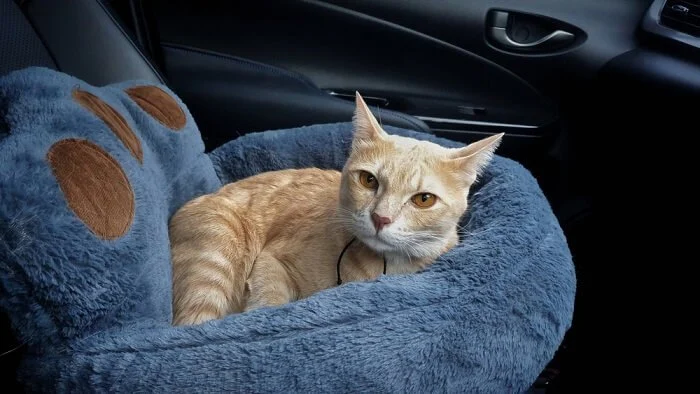
Use a well-ventilated, secure carrier with soft bedding. Ensure the carrier is stable and positioned so the kitten can see minimal motion while feeling safe. Covering part of the carrier with a light blanket can reduce visual stimuli that trigger nausea.
2. Temperature and Airflow
Maintain a moderate temperature inside the car and avoid strong odors that may worsen nausea. Fresh air circulation, without direct drafts, helps maintain a comfortable atmosphere.
3. Minimize Sudden Movements
Drive smoothly and avoid abrupt stops, turns, or rapid accelerations. Predictable and gentle motion is less likely to provoke vomiting or distress.
Feeding and Hydration Strategies
What and when you feed your kitten before travel plays a significant role in motion sickness management.
Light Meals
Feed your kitten a small, easily digestible meal 2-3 hours before travel. Avoid heavy, greasy, or overly rich foods that can exacerbate nausea.
Hydration
Ensure your kitten is hydrated, but avoid giving large amounts of water right before a car ride. Small sips during breaks are safer and reduce the likelihood of vomiting.
Natural Remedies and Soothing Techniques
Several gentle, non-medical methods can help calm a kitten during travel.
1. Calming Pheromone Sprays
Products like Feliway or other feline pheromone diffusers can reduce anxiety and promote relaxation. Spray the carrier or use a diffuser 30 minutes before departure.
2. Gentle Touch and Vocal Comfort
Softly talking to your kitten or gently stroking them through the carrier can reduce stress. Keep movements slow and reassuring.
3. Aromatherapy Caution
Avoid strong scents or essential oils, as many are toxic to cats. Stick to vet-approved calming products.
Gradual Exposure and Training Tips
Helping a kitten acclimate to travel takes patience and consistency. Gradual exposure to motion and short trips can train them to tolerate longer journeys.
Step-by-Step Approach
1. Start with short sessions in a stationary car to familiarize the kitten with the carrier.
2. Progress to brief drives around the block, gradually increasing distance.
3. Offer positive reinforcement with treats and gentle praise after each ride.
Consistency is key. Over time, the kitten associates the carrier and travel with comfort rather than stress.
Using Carriers and Restraint Safely
Always use carriers or harnesses for safe transport. Unrestrained kittens are prone to injury and can exacerbate motion sickness due to stress and instability.
Carrier Tips
- Ensure the carrier is large enough for comfort but small enough to prevent excessive movement.
- Secure it to the seatbelt or vehicle floor to minimize bouncing.
- Line with absorbent pads to manage accidents and ease cleanup.
Monitoring Health and Seeking Veterinary Advice
Persistent motion sickness may indicate underlying health issues. Monitor your kitten’s symptoms, and if vomiting or distress is severe, consult a veterinarian. In some cases, the vet may recommend mild medications or other interventions to ease travel discomfort.
Real-Life Stories from Kitten Owners
Many kitten owners share success stories of gradually helping their kittens overcome motion sickness. One owner reported that short, consistent trips combined with pheromone sprays allowed their kitten to tolerate a 30-minute drive without vomiting. Sharing these experiences can provide practical insights and reassurance for new kitten parents.
Common Mistakes to Avoid During Travel
Avoid overfeeding before travel, using unsecured carriers, or exposing kittens to sudden loud noises. Overexposure without gradual acclimation can increase anxiety and prolong motion sickness episodes.
Finding Support and Products at Omnia Pet
For specialized products, tips, and expert advice on kitten motion sickness, Omnia Pet offers a wide selection of carriers, calming solutions, and guides. Their resources can help ensure a smoother, safer, and more enjoyable travel experience for both kittens and owners.
By combining gentle training, proper preparation, and expert guidance, you can significantly reduce motion sickness in your kitten. Each small step helps build confidence, comfort, and a positive association with travel.


 St Francis Animal Hospital4.0 (155 reviews)
 Pet Supermarket4.0 (716 reviews)
 Pet Supermarket4.0 (207 reviews)
 Eye Care for Animals - Avondale4.0 (203 reviews)
 Phoenix Dog Cat Bird Hospital4.0 (791 reviews)
 Granada Veterinary Clinic4.0 (157 reviews)
 Why Do Kittens Have Blue Eyes at First?
 The Best ID Microchip for a Kitten's Safety | Omnia Pet
 The Best Diet for a Russian Blue Kitten's Shiny Coat
 What Does It Mean When Your Cat Winks? A Guide to Understanding Cat Behavior
 The Best Toys for a Kitten's Teething Pain - Omnia Pet
 Why Is My Dog Drinking So Much Water? Potential Health Issues and What to Do