
- 1. Recognizing Symptoms of Blindness in Kittens
- 2. Behavioral Changes to Watch For
- 3. Diagnosing Blindness in Your Kitten
- 4. Caring for a Blind Kitten
1. Recognizing Symptoms of Blindness in Kittens
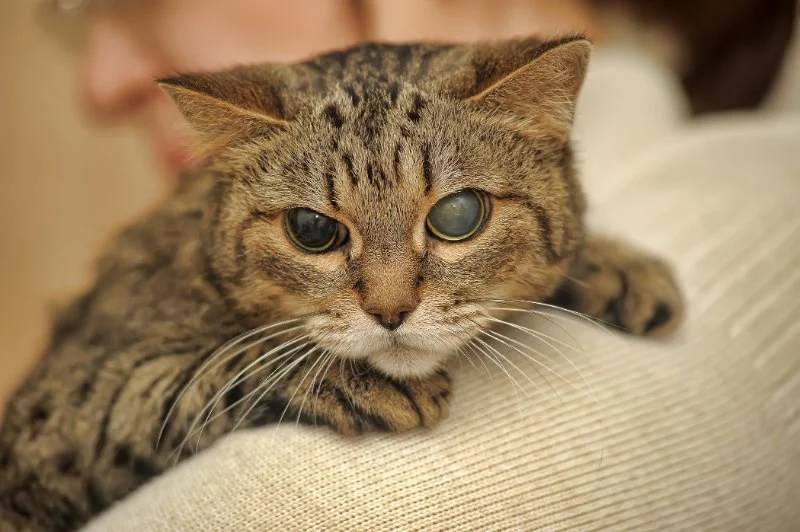
As a kitten grows, it's essential to monitor their physical health, including their vision. Kittens are born blind, but by around 7 to 10 days old, their eyes start to open. However, sometimes a kitten may develop blindness or fail to gain full sight. Recognizing blindness early can help in providing the proper care. Key symptoms include:
- Failure to react to movement or light
- Unfocused or clouded eyes
- Frequent bumping into objects
If your kitten exhibits these signs, it's crucial to consult a veterinarian. Early diagnosis can ensure they receive the support they need to lead a happy life.
Oranda Aquarium
3463 Lawrenceville-Suwanee Rd Suite 114, Suwanee, GA 30024, USA
2. Behavioral Changes to Watch For
Blind kittens often exhibit changes in behavior. These behavioral shifts can give you valuable insight into their condition. Common signs include:
- Increased reliance on scent and sound
- Hesitation to move or explore new spaces
- More vocalization than usual, often in response to confusion
For example, a kitten may start relying heavily on touch and scent to navigate its surroundings. This is a natural adaptation to its inability to see. If you notice these signs, observe how your kitten adjusts to its environment over time.

3. Diagnosing Blindness in Your Kitten
If you suspect that your kitten may be blind, it's important to get a professional diagnosis. A veterinarian will typically perform a series of tests to confirm whether your kitten has vision problems. These might include:
- Reflex tests, such as checking pupil dilation in response to light
- Ophthalmic examinations using a special light
- Checking for any underlying health issues, such as infections or retinal disease
In some cases, kittens might be born with congenital blindness, or it may develop due to injury, infection, or other health issues. Early intervention can help you make decisions about how best to care for your kitten.
4. Caring for a Blind Kitten
Caring for a blind kitten requires a little extra attention, but with the right approach, they can lead a happy, fulfilling life. Here are a few essential tips to help:
- Maintain a consistent environment so your kitten can navigate with ease
- Use sound and scent cues, such as toys that make noise and scented oils
- Provide safe spaces where your kitten can feel secure and relaxed
Additionally, it's important to watch for any signs of discomfort or pain, as blind kittens may have a harder time adjusting to their surroundings. Make sure their food, water, and litter box are always in the same place to reduce confusion.
If you're looking for the best supplies for your blind kitten, check out Omnia Pet, where we offer a wide selection of products designed to help you care for your special needs kitten. From interactive toys to secure bedding, we have everything your kitten needs to thrive.






 Pet Supplies Plus Whitestown4.0 (324 reviews)
 Jamaica Plain Animal Clinic4.0 (179 reviews)
 South River Veterinary Clinic4.0 (179 reviews)
 VIP Petcare Vaccination Clinic0.0 (0 reviews)
 PetSmart Veterinary Services - Gilbert5.0 (22 reviews)
 Petco4.0 (1198 reviews)
 How to Train Your Kitten to Play Dead
 The Best Diet for a Bengal Kitten's Wild Ancestry: A Complete Guide
 Why Do Kittens Like to Sleep in Sunbeams? Discover the Benefits of Sunbathing
 How to Choose the Best Diet for a Ragdoll Kitten's Gentle Nature
 Why Does My Cat Bite Me Gently? Love Bites Explained
 The Best Pet Camera to Talk to Your Kitten Remotely