
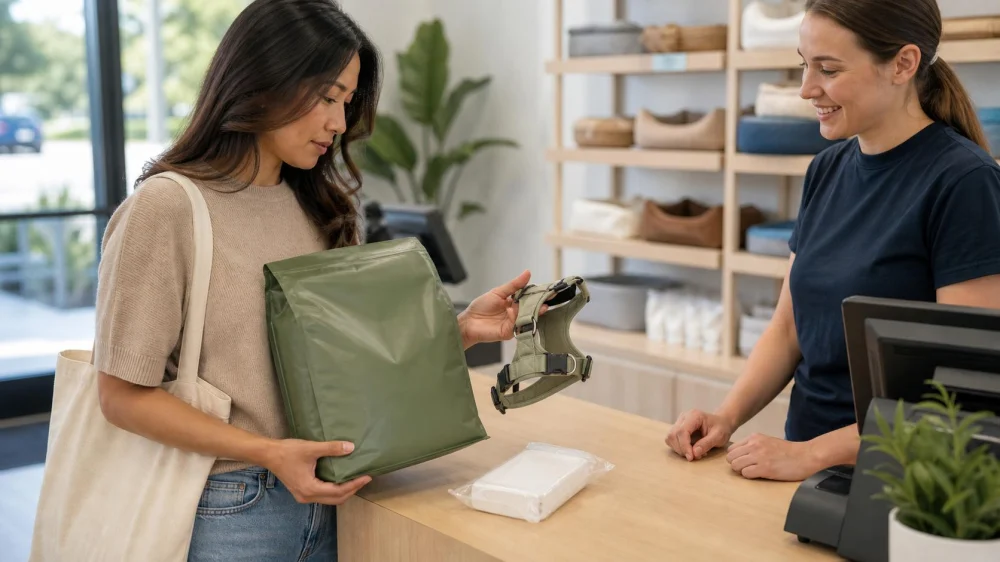
Pet Store Pickup: Check Item, Size, Seal, and Expiry
On this page
Quick answer
Before leaving a pet store pickup, match every product to the order and the specific pet. Check species, life stage, size, flavor or formula, quantity, seal, package condition, lot and expiration details, accessories, and temperature needs. Photograph and isolate anything damaged, leaking, open, incorrect, recalled, or unusually warm, and contact the store or manufacturer before feeding, applying, or assembling it.

Cuties Ragdoll Cat Cattery
San JoseSanta Clara CountyCalifornia
S De Anza Blvd, San Jose, CA 95129, USA
Why pickup errors matter for pet supplies
Pet products can look similar while differing by species, weight range, life stage, concentration, prescription status, diet, hardware size, or intended use. Store substitutions and fast handoffs can hide a mismatch. A brief inspection protects the product trail and helps resolve errors before packaging is opened or the item reaches an animal.
This guide is for pet owners in the United States collecting retail or curbside orders. It does not replace veterinary advice, prescription instructions, recall notices, manufacturer directions, or store policy. Medicines, therapeutic diets, live animals, refrigerated products, chemicals, and regulated items require their own handling and return procedures.

Country Companions Vet Services Llc: Mcclure Brinto Kimberly DVM
BethanySouth Central Connecticut Planning RegionConnecticut
116 Old Amity Rd, Bethany, CT 06524, USA
What to verify at handoff
- Order number, purchaser name, product name, species, breed or size category when relevant, life stage, formula, flavor, count, color, and selected variant.
- Weight or body-size range, measurements, fit guide, model compatibility, included pieces, batteries, fasteners, filters, refills, and required accessories.
- Factory seal, zipper, cap, blister, tamper feature, stitching, clips, cords, packaging seams, dents, tears, punctures, wetness, residue, or odor.
- Lot or batch code, expiration or best-by information, storage instructions, recall status, and enough remaining shelf life for the planned use.
- Temperature and time out of controlled storage for refrigerated, frozen, live, perishable, or heat-sensitive products.
- Substitution notice, price, discounts, tax, pickup fee, return eligibility, receipt, warranty, and who to contact about an error.
- Separation from children and animals in the vehicle, secure upright transport, heat or cold exposure, and the route home.
A practical pickup inspection
- Review the final pickup message for substitutions, missing items, temperature instructions, and the handoff or return process before arriving.
- At the designated safe location, compare products one by one with the order instead of counting bags only.
- Read the actual label for species, formula, concentration, size, and expiration; package color and shape are not reliable identifiers.
- Inspect seals and condition without opening products that may need to be returned, and photograph any mismatch or damage with the receipt.
- Ask staff to correct an issue before leaving when practical; keep questionable items separate and do not place them with existing supplies.
- Transport products according to their label, keeping medicines, chemicals, cords, small parts, and food inaccessible to pets and children.
- At home, recheck before first use, save required labels or lot information, and follow setup, cleaning, dosing, fit, or transition directions.
Keep the receipt, order confirmation, substitution approval, product photos, lot and expiration details, store communication, manufacturer case number, return or disposal instruction, and refund confirmation. For recurring food or medicine, record the opened package and lot separately so later concerns can be traced accurately.
Safety and product limits
Do not feed, dose, apply, assemble, wash, or remove tags from a questionable item merely to test it. Do not taste pet food or use smell alone to prove safety. Human products and dog products can be dangerous for other species. A sealed package can still be recalled or incorrect, and an undamaged appearance cannot verify storage history.
Contact a veterinarian or animal poison resource promptly if a pet may have eaten or contacted the wrong product, medicine, chemical, damaged battery, sharp part, or recalled item. Use emergency veterinary care for breathing difficulty, collapse, seizure, severe vomiting, bleeding, marked weakness, or another immediate danger. Keep packaging available without delaying care.
Frequently asked questions
Should I open the package at the store?
Usually inspect the outside first and ask about return rules. Opening may affect eligibility and can expose a questionable product.
Is a store substitution safe if it looks similar?
Not automatically. Confirm species, formula, concentration, size, ingredients, compatibility, and veterinary requirements before accepting or using it.
What if the expiration date is soon?
Compare the remaining time with normal use and storage directions, then ask the store about replacement or policy before opening.
Can I use a dented can of pet food?
Do not use cans with concerning dents, bulges, leaks, rust, or broken seals. Ask the store or manufacturer for product-specific guidance.
What if I discover the error at home?
Keep the item separate and unused, photograph it, retain the receipt and packaging, and contact the store promptly under its current policy.
Sources and evidence
Use the product's current label and instructions, manufacturer recall and compatibility information, store pickup and return policy, official U.S. recall resources, and veterinary guidance for prescription, therapeutic, toxicity, or animal-specific questions. The actual label and pet determine suitability.
Conclusion and next steps
Match every item to both the order and the pet, inspect seals and condition, verify lot and expiration details, and resolve substitutions before use. Transport products securely and keep questionable items isolated. When an animal has already been exposed to the wrong or damaged product, prioritize veterinary or poison guidance over the return process.





 DogVenture New Britain5.0 (13 reviews)
 Native Colors Exotics / The Serama Club of Wisconsin5.0 (2 reviews)
 Chippens Hill Veterinary Hospital4.0 (320 reviews)
 Olimpossport5.0 (1 reviews)
 ESA Pet Today5.0 (2 reviews)
 Wrightwoods Littlest Pet Shop4.0 (21 reviews)
 A Complete Guide to Feline Heart Disease: Symptoms and Life Expectancy
 How to Introduce a New Puppy to Your Resident Cat: A Step-by-Step Guide
 Pet Harness Fit: Check Straps, Movement, and Escape Risk
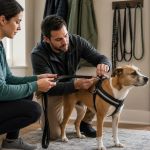 Pet Leash Check: Webbing, Clips, Length, Grip, and Storage
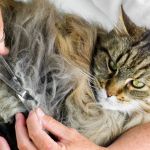 Why Is My Kitten's Fur Changing Texture? Causes and Solutions for Pet Owners
 Why Is My Kitten's Paw Pad Cracked? Understanding the Causes and Treatment