
Pet Door Safety: Locking, Weather, and Escape Checks
Table of contents
Quick answer
A pet door should open smoothly, fit the animal without scraping, latch or lock reliably, and lead only to a secure supervised area. Check the frame, flap, fasteners, weather seal, collar key, and outdoor fence regularly. Lock it during severe weather, at night when wildlife is active, when no one is home, and whenever the yard or pet cannot be safely monitored.
Check fit and location
Follow the door manufacturer's sizing and installation instructions. The opening should allow the intended pet to pass without squeezing shoulders, striking the back, crouching excessively, or stepping over an awkwardly high threshold. A growing animal may need reassessment.
- The wall or door remains structurally sound around the cutout.
- No sharp fastener, cracked plastic, splinter, or unfinished edge is exposed.
- The flap cannot trap a collar, tag, paw, tail, or long fur.
- The interior landing is dry, uncluttered, and not on a stair.
- The exterior landing is level, nonslip, drained, and free of hot metal or ice.
- The opening does not lead directly to a street, pool, machinery, toxic plants, or another uncontrolled hazard.
- The pet door does not weaken the security or fire rating of a required building door.
Renters and people in managed communities should obtain property approval. Local building, pool, wildlife, and animal-control rules may affect placement or use.
Daily flap, frame, and lock check
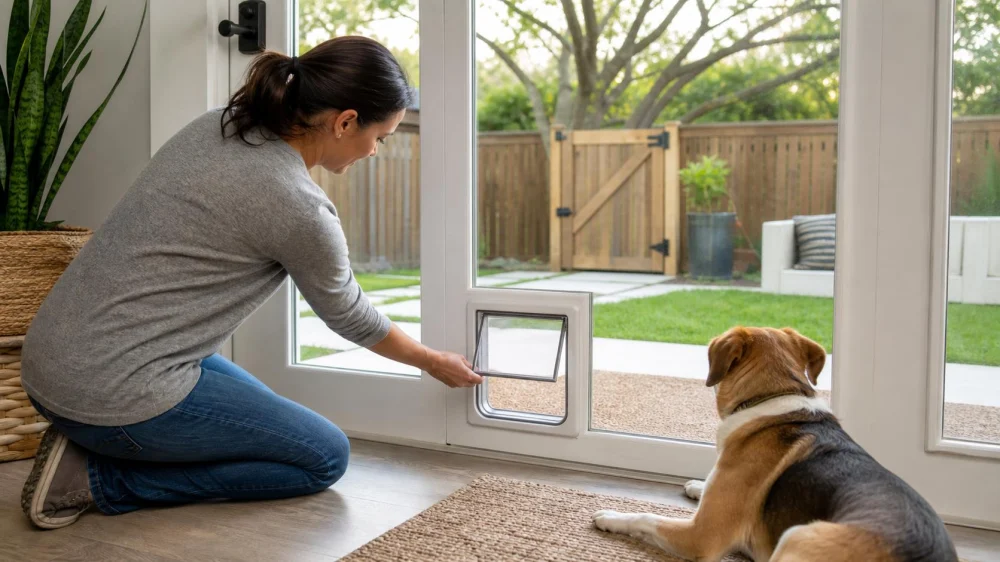
- Move the flap by hand. It should swing or slide freely and return without slamming, sticking, or pinching.
- Inspect the frame. Look for cracks, gaps, chewing, loose screws, rust, and movement in the surrounding door or wall.
- Test the lock or panel. Confirm the physical lock engages and cannot be pushed aside. Electronic models should fail in a known safe mode.
- Check the collar key. Make sure it is secure, dry, not damaged, and compatible with the pet's collar fit. Avoid dangling bulk that can snag.
- Look for weather intrusion. Note drafts, rain, insects, dirt tracks, or moisture that could make the floor slippery.
- Observe one passage. Watch the pet use the door calmly without rushing, twisting, or hesitating.
Clean with products compatible with the flap and frame, then rinse or dry as instructed. Keep the pet away until surfaces are dry and fumes have cleared.
Inspect the outdoor zone
- Walk the full fence line and check gates, latches, gaps, digging, storm damage, and stacked climbable objects.
- Remove tools, chemicals, fertilizer, mushrooms, trash, bones, dead wildlife, and stagnant water.
- Check sheds, grills, pools, ponds, window wells, and equipment covers for trapping hazards.
- Provide shade and clean water when outdoor access is appropriate, without using food outdoors that attracts wildlife.
- Confirm landscapers, visitors, and delivery workers know the gate and pet-door plan.
- Supervise young, newly adopted, elderly, ill, very small, or escape-prone pets directly.
A fenced yard reduces some risks but does not guarantee safety. Pets can dig, climb, squeeze, be stolen, encounter wildlife, ingest toxins, or be affected by weather.
Weather and temperature limits
Lock the door when heat, cold, smoke, lightning, wind, flooding, ice, or poor air quality makes unsupervised outdoor access unsafe. A flap does not measure the pet's condition or ensure it returns inside. Short-nosed animals, young and older pets, and animals with chronic conditions can be especially sensitive to heat or cold.
Check the landing temperature with an appropriate method before access; pavement and metal can be hotter or colder than the air. Dry wet floors promptly. During storms, bring pets inside, secure the physical lock, and keep identification, carrier, leash, and emergency kit accessible.
Wildlife and neighborhood risks
The CDC advises supervising pets outdoors, keeping them away from wildlife, and using a leash in unfenced areas. A pet door can allow a pet to chase wildlife or, in some settings, allow rodents, raccoons, snakes, or other animals to enter. Keep pet food indoors and manage attractants.
- Lock the door at dusk and overnight where nocturnal wildlife is active.
- Use a correctly installed selective-entry door only as one layer of control, not a guarantee.
- Keep rabies vaccination and identification current as advised by the veterinarian and local law.
- Do not approach, trap, or handle wildlife found near or inside the home.
- Call animal control or a qualified wildlife professional for safe removal.
After a bite, scratch, or possible wildlife contact, separate animals safely and contact a veterinarian and local public-health authority promptly. Wash human bites or scratches with soap and water and seek medical guidance.
Teach controlled use
- Prop the flap safely open according to the product instructions.
- Use calm praise or a small reward to encourage one direction at a time.
- Never push, pull, or frighten the pet through the opening.
- Lower the flap gradually as confidence grows, keeping hands clear.
- Practice returning indoors on cue and waiting while the door is locked.
- Stop if the pet panics, rushes, gets caught, or avoids the area.
A pet that cannot use the door comfortably should not be left to “figure it out.” Recheck fit, noise, flap resistance, footing, and the outdoor environment with a veterinarian or qualified trainer as appropriate.
Frequently asked questions
Should a pet door stay open all day?
Not automatically. Use depends on supervision, weather, yard security, wildlife, pet health, and household schedule. A lockable routine is safer than unrestricted access.
Will an electronic door keep all wildlife out?
No system is foolproof. Batteries, sensors, seals, collars, and physical locks can fail, and wildlife may follow a pet. Continue inspection, supervision, and attractant control.
Can a cat wear a collar key safely?
Use only a collar and key system appropriate for that cat and the manufacturer's instructions. Ask a veterinarian about collar fit and breakaway features, and check for snagging or skin irritation.
What if the pet refuses the flap?
Do not force passage. Check noise, transparency, pressure, size, footing, and prior frightening experiences. Return to gradual positive training or use a different access plan.
Sources and evidence
- Centers for Disease Control and Prevention: Wildlife — supervision and separation between pets and wildlife.
- Centers for Disease Control and Prevention: Rabies Prevention — vaccination, wildlife distance, and response context.
- Centers for Disease Control and Prevention: Pet Safety in Emergencies — identification and emergency-kit planning.
Conclusion and next steps
Test the flap, frame, lock, and outdoor zone today, then set specific times when the door is locked. Supervise use until fit and behavior are reliable, and reassess after storms, yard work, growth, illness, or wildlife sightings. A pet door is a managed access tool—not a replacement for a secure yard, identification, weather judgment, and active supervision.




 Petco4.0 (754 reviews)
 Backyard Birding Co.5.0 (5 reviews)
 Animal Care Clinic4.0 (355 reviews)
 Apollo Animal Hospital4.0 (965 reviews)
 Petco4.0 (714 reviews)
 VIP Petcare Vaccination Clinic0.0 (0 reviews)
 The History and Origins of the Domestic Dog – Understanding the Evolution and Significance
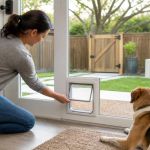 Pet Door Safety: Locking, Weather, and Escape Checks
 Why Is My Kitten's Fur Changing Texture? Understanding the Causes
 The Best Ways to Discipline a Kitten Without Fear | Omnia Pet
 The Best Litter for Kittens Who Track It Everywhere – Keep Your Home Clean
 How to Keep Your Indoor Cat from Getting Bored