
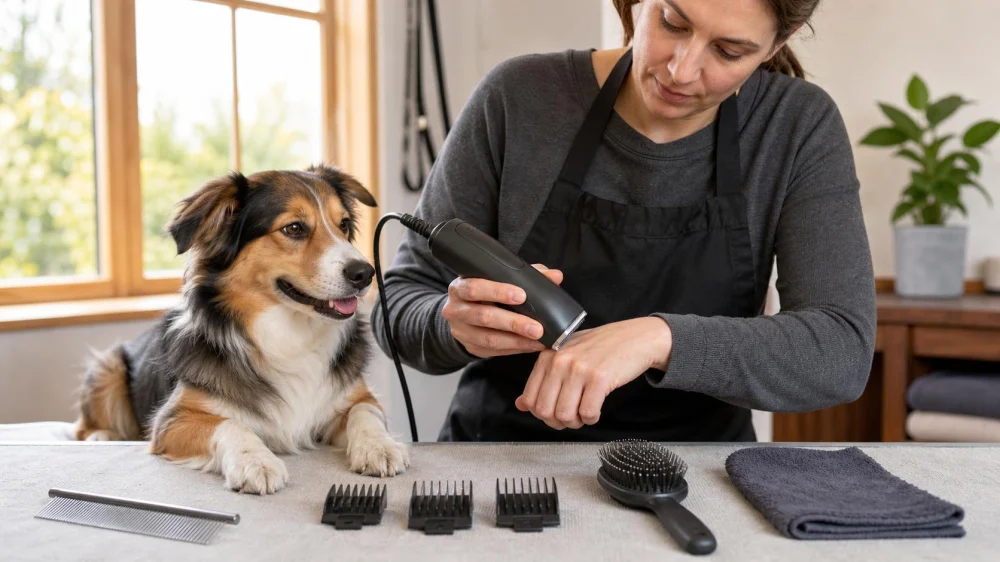
Pet Grooming Tool Check: Teeth, Blades, Heat, and Cleaning
On this page
Quick answer
checking pet grooming tools before use is easiest to manage when you define the goal, verify the relevant details, and set clear stop conditions before acting. Inspect teeth, guards, blades, cords and batteries, test heat, clean as directed, confirm fit, and stop if handling causes distress. Start with current instructions and observable facts, use a written checklist, and ask a qualified professional when the safe choice depends on technical, medical, legal, or site-specific judgment.

Animal General of East Norwich
East NorwichNassau CountyNew York
6320 Northern Blvd, East Norwich, NY 11732, USA
Understand checking pet grooming tools before use
For this guide, checking pet grooming tools before use means a deliberate process for a specific situation rather than a promise of one universal answer. The relevant details can change with equipment, venue, provider, product, weather, health, local rules, and individual needs. Separate what you can observe from what requires measurement, records, or professional judgment.
This article is for readers in United States who want a practical starting point. It is not a substitute for current manufacturer instructions, venue rules, public guidance, contracts, or advice from a qualified professional who can assess the actual situation.

PetVet Vaccination Clinic
GriswoldSoutheastern Connecticut Planning RegionConnecticut
461 Voluntown Rd, Griswold, CT 06351, USA
Grooming tool checklist
- Observe appetite, water intake, breathing, movement, elimination, behaviour, and the timing of any change.
- Record a short video or photo only when it does not delay care or distress the animal.
- Keep medicines, foods, plants, chemicals, and possible exposure packaging available for the veterinary team.
- Do not give human medicine, induce vomiting, restrict water, or improvise treatment without veterinary direction.
- Use safe restraint and transport; pain or fear can change even a familiar pet's behaviour.
- Confirm the clinic, emergency option, travel route, records, payment process, and contact numbers before they are urgently needed.
- Follow the individual discharge plan and call when recovery differs from the expected course.
Inspect before touching the pet
- Describe what changed, when it began, and whether it is stable, improving, or worsening.
- Check for emergency signs without forcing handling or delaying transport.
- Call the veterinary practice or emergency service and provide species, age, conditions, medicines, and observed facts.
- Follow the professional's transport and first-aid instructions exactly.
- Bring relevant records, packaging, samples, and a timeline when requested.
- After care, write the medicine, monitoring, activity, feeding, warning, and follow-up plan in one place.
Keep a short record for checking pet grooming tools before use: date, observed condition, decisions, questions, responsible person, due date, and outcome. Photos or receipts can support the record when appropriate, but store personal, property, or account information securely.
Tool and handling limitations
Online guidance cannot diagnose a pet or replace veterinary triage. Species, size, age, health conditions, and exposures change what is safe. When breathing, consciousness, severe pain, bleeding, repeated collapse, poisoning, or inability to urinate may be involved, contact emergency veterinary care promptly.
Stop and seek prompt help when checking pet grooming tools before use involves an immediate hazard, loss of safe control, worsening damage, injury, fire, smoke, strong odour, or a condition outside the instructions and your competence. Use emergency services when people may be in immediate danger.
Pet grooming tool questions
What should I check first for checking pet grooming tools before use?
Start with the immediate safety or suitability question, then verify current instructions, condition, scope, timing, and who is responsible.
When is the lowest price not the best choice?
When it changes scope, quality, safety, access, support, or total cost. Compare like with like and document exclusions.
Can online reviews answer the decision?
Reviews can reveal questions to ask, but they may be incomplete, outdated, or unrelated to your exact need. Verify important facts directly.
What if the information conflicts?
Pause and ask the responsible provider, manufacturer, venue, authority, or qualified professional to clarify in writing when possible.
What should I save afterward?
Keep the final instructions, receipt or agreement, relevant photos, results, warranty or follow-up details, and unresolved actions.
Product and veterinary evidence
Use current primary information for checking pet grooming tools before use: manufacturer instructions, the responsible venue or provider, written agreements, local authorities, and qualified professionals. Verify details for United States and the specific date because rules, availability, prices, and operating conditions can change.
Recheck during grooming
Turn checking pet grooming tools before use into a short sequence: define the goal, verify the critical facts, prepare safely, act within clear limits, and record the outcome. Inspect teeth, guards, blades, cords and batteries, test heat, clean as directed, confirm fit, and stop if handling causes distress. If an important fact remains uncertain, pause before committing time, money, access, or safety.




 Colmar Veterinary Hospital4.0 (251 reviews)
 Arden Animal Hospital: Limburg Lee DVM4.0 (22 reviews)
 Pleasant Plains Animal Hospital North4.0 (99 reviews)
 Osos Pet Supply4.0 (37 reviews)
 VCA Rutherford Animal Hospital4.0 (419 reviews)
 Aquarium Xpress5.0 (93 reviews)
 The Best Non-Toxic Cleaning Products for Pet Owners: Safe & Effective Choices
 How to Create a Safe Outdoor Enclosure for Your Cat
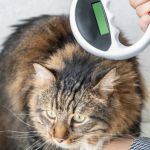 The Best ID Microchip for a Kitten's Safety | Omnia Pet
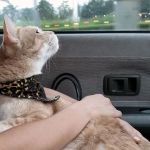 How to Stop Your Kitten from Getting Car Sick
 Understanding Kitten Vocal Cord Development: A Complete Guide
 Why Is My Kitten's Poop Green? Diet and Health